


 Android App
 About SPORTIVO Network
Abrasion Conveyor Belt Solutions for Harsh Working Conditions
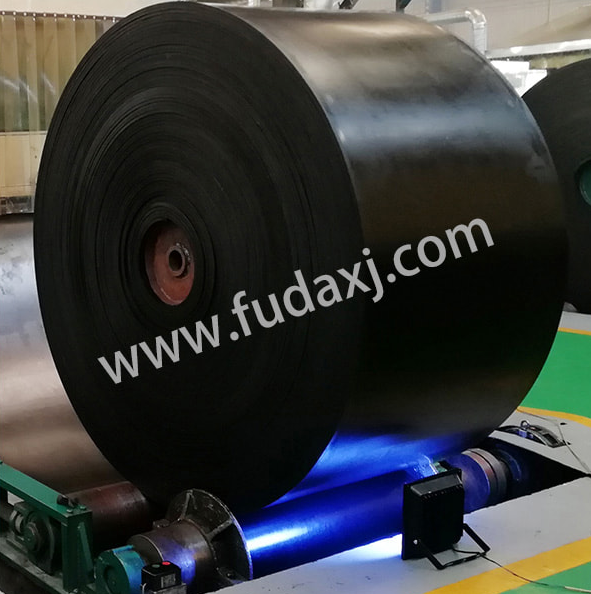
Factories handling abrasive materials often discover that conveyor wear develops faster than expected. Every piece of crushed rock, clinker, or recycled debris sliding across the belt surface acts like sandpaper. Day after day, that friction gradually removes protective layers and exposes deeper structural materials. An abrasion conveyor belt is built to slow this process and keep production lines moving more reliably under difficult operating conditions.
The design starts with the outer cover. Abrasion-resistant rubber compounds are developed to tolerate repeated scraping without breaking apart too quickly. Some compounds focus on resisting cuts from sharp edges, while others prioritize flexibility under continuous movement. The selection depends on the material being transported and the speed of the conveyor system itself.
Cement plants are one example where abrasion becomes a serious operational concern. Raw materials such as limestone and clinker create heavy friction during transport. Fine particles also collect beneath rollers and along support frames, increasing wear from underneath the belt. A conveyor belt designed for abrasive environments must therefore handle both surface grinding and structural stress simultaneously.
Loading zones often experience the heaviest damage. When materials fall from height onto a moving belt, impact energy combines with abrasive contact. To reduce this effect, some facilities install impact bars, skirt systems, or controlled feed chutes. These modifications help distribute material more evenly and reduce localized wear.
Abrasion conveyor belt performance is also influenced by belt speed. Faster movement may improve production efficiency, but it can increase friction heat and accelerate surface deterioration. In some industries, operators carefully balance throughput with long-term equipment durability rather than simply pushing for higher speeds.
Another factor is moisture. Wet materials can either reduce or increase wear depending on the application. Muddy aggregates sometimes create a thin protective layer between the material and the belt surface. On the other hand, wet recycled waste mixed with sharp particles may produce irregular grinding patterns that damage the belt unpredictably.

 Czech
Czech
 English
 Arabic
 French
 Spanish
 Deutsch
 Turkish
 Dutch
Dutch
 Italiano
 Russian
 Romaian
 Portuguese (Brazil)
 Greek
Greek