


 About SPORTIVO Network
The New Frontier of Biotherapeutics: Advancing Bispecific Antibody Engineering and Assessment
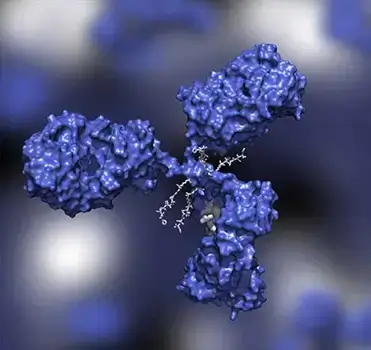
The landscape of immunotherapy has undergone a seismic shift over the last decade. While monoclonal antibodies (mAbs) laid the foundation for targeted treatment, the emergence of bispecific antibodies (BsAbs) has opened doors to therapeutic possibilities that were once deemed unreachable. By simultaneously binding to two different antigens or epitopes, BsAbs can bridge T-cells to tumor cells, inhibit redundant signaling pathways, or deliver payloads with unparalleled precision. However, as the complexity of these molecules increases, so do the challenges in their development.
The Role of Sophisticated Design Platforms
The success of any bispecific program begins with its structural foundation. Unlike standard antibodies, BsAbs do not occur naturally in high frequency; they are "built" through sophisticated engineering. One of the most critical factors in this process is selecting the right architecture—be it IgG-like structures, ScFv-based fragments, or even more complex multi-valent formats.
Utilizing diverse and robust BsAb design platforms is essential for researchers to tailor the molecule's pharmacokinetic profile and effector functions. Modern platforms now allow for the creation of over 100 different BsAb formats, enabling scientists to find the "sweet spot" between therapeutic efficacy and structural stability. These platforms have evolved to address common issues such as the "heavy-light chain mispairing" problem, ensuring that the resulting therapeutic is both potent and pure.
Why Developability Assessment is Non-Negotiable
While a bispecific antibody might show incredible potency in a petri dish, its journey to the clinic often halts due to poor biophysical properties. This is where many programs encounter the "valley of death." Because BsAbs are artificial constructs, they are often prone to aggregation, low solubility, and instability, which can lead to immunogenicity or manufacturing failures.
To mitigate these risks, a rigorous bispecific antibody developability assessment must be integrated into the early stages of discovery. This assessment goes beyond simple binding affinity; it evaluates the molecule's physical and chemical stability, self-association tendencies, and "manufacturability" under stress conditions. By identifying "red flag" candidates early, developers can save millions in downstream costs and focus resources on the molecules with the highest probability of clinical success. Advanced analytics, including thermal stability assays and hydrophobic interaction chromatography, are now standard tools in ensuring that a complex BsAb can actually be produced at scale.
Precision in Sequencing and Characterization
Once a lead candidate is identified and validated through developability screens, the focus shifts to absolute molecular precision. In the era of personalized medicine and strict regulatory oversight, knowing the exact primary structure of your therapeutic is paramount. Any deviation in the amino acid sequence could alter the binding specificity or the safety profile of the drug.
Implementing high-accuracy bispecific antibody sequencing is the final piece of the quality control puzzle. Modern de novo sequencing techniques, often powered by high-resolution mass spectrometry, allow researchers to confirm the identity of their BsAb with 100% coverage. This is particularly vital for antibodies derived from hybridomas or those that have undergone extensive engineering, as it ensures that the physical product perfectly matches the genetic design.
Conclusion: A Holistic Approach to Next-Gen Biologics
The transition from monoclonal to bispecific therapies represents a quantum leap in biological complexity. To navigate this successfully, the industry must move away from fragmented workflows. By combining versatile design platforms, stringent developability assessments, and precise sequencing technologies, the biopharma sector can accelerate the delivery of life-changing treatments to patients.
As we look toward the future—exploring applications in oncology, immunology, and beyond—the integration of these three pillars will remain the hallmark of successful drug development. The goal is no longer just to create a molecule that works, but to engineer a molecule that is stable, manufacturable, and perfectly characterized for the long journey through clinical trials.

 Czech
Czech
 English
 Arabic
 French
 Spanish
 Portuguese
 Deutsch
 Turkish
 Dutch
Dutch
 Italiano
 Romaian
 Portuguese (Brazil)
 Greek
Greek