


 About SPORTIVO Network
Step-by-Step Flooring Installation Guide for Modern Homes
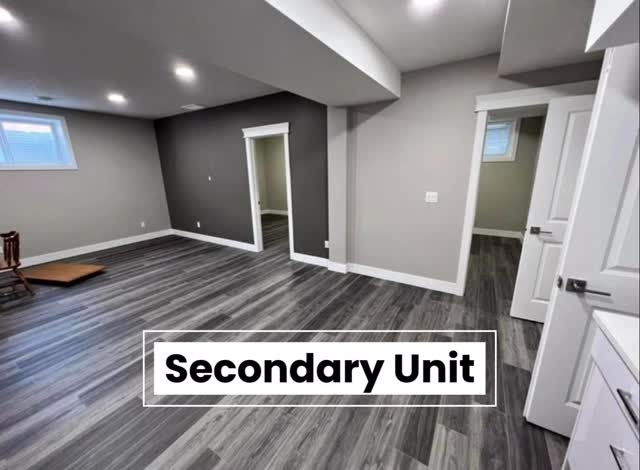
Flooring plays a crucial role in defining the comfort, aesthetics, and durability of any modern home. Whether you are renovating your space or building a new one, proper flooring installation ensures long-term performance and enhances the overall value of your property. From selecting the right materials to executing each step correctly, understanding the installation process can help homeowners make informed decisions and avoid costly mistakes.
In this comprehensive guide, we’ll walk you through the step-by-step process of flooring installation while sharing expert insights to ensure a smooth and successful outcome.
Why Proper Flooring Installation Matters
A well-installed floor does more than just look appealing—it contributes to structural stability, insulation, and easy maintenance. Poor installation can lead to uneven surfaces, moisture damage, and premature wear and tear.
Professional-grade flooring installation ensures:
- Long-lasting durability
- Improved indoor aesthetics
- Better resistance to moisture and damage
- Increased property value
Whether you choose hardwood, laminate, vinyl, or tile, the installation process plays a key role in achieving the desired results.
Step 1: Choosing the Right Flooring Material
Before starting the installation process, selecting the appropriate flooring material is essential. Modern homes often prioritize both style and functionality.
Some popular flooring options include:
- Hardwood flooring for a timeless, elegant look
- Laminate flooring for affordability and durability
- Vinyl flooring for water resistance and versatility
- Tile flooring for high-moisture areas like kitchens and bathrooms
Consider factors such as foot traffic, moisture levels, maintenance requirements, and budget when making your choice. Consulting with flooring experts can help align your selection with your lifestyle needs.
Step 2: Measuring and Planning
Accurate measurements are critical for successful flooring installation. Start by measuring the length and width of the room to calculate the total area. Always add an extra 5–10% to account for waste and cutting errors.
Planning also includes:
- Determining the layout pattern
- Identifying transition areas between rooms
- Ensuring material availability
A well-thought-out plan minimizes delays and ensures a seamless installation process.
Step 3: Preparing the Subfloor
The subfloor is the foundation of your flooring, and its condition directly impacts the final result.
Key preparation steps include:
- Cleaning the surface thoroughly
- Repairing cracks or uneven areas
- Ensuring the subfloor is dry and level
- Installing a moisture barrier if needed
Skipping this step can lead to issues like creaking, shifting, or uneven flooring. Professional installers often use leveling compounds to create a perfectly smooth base.
Step 4: Acclimating the Flooring Material
Many flooring materials, especially hardwood and laminate, require acclimation before installation. This involves allowing the material to adjust to the room’s temperature and humidity levels.
Typically, materials should be left in the room for 24–72 hours. This step prevents expansion or contraction after installation, which can cause gaps or warping.
Step 5: Installing Underlayment
Underlayment is a thin layer placed between the subfloor and the flooring material. It provides:
- Sound insulation
- Moisture protection
- Enhanced comfort underfoot
The type of underlayment depends on the flooring material being used. For example, foam underlayment is common for laminate, while tile installations may require cement backer boards.
Step 6: Flooring Installation Process
The actual flooring installation process varies depending on the material, but the general approach remains consistent.
For Floating Floors (Laminate/Vinyl):
- Begin in one corner of the room
- Lay planks row by row using a click-lock system
- Maintain expansion gaps along walls
For Hardwood Flooring:
- Nail or glue planks to the subfloor
- Ensure tight joints and consistent alignment
For Tile Flooring:
- Apply adhesive evenly
- Place tiles carefully with spacers for uniform gaps
- Allow proper curing time
Precision is key during this stage. Even minor errors can affect the final appearance and durability of the floor.
Step 7: Cutting and Fitting
No room is perfectly symmetrical, so cutting materials to fit edges, corners, and obstacles is necessary. Use proper tools to achieve clean cuts and maintain consistency.
Pay special attention to:
- Doorways and thresholds
- Corners and irregular spaces
- Around fixtures and cabinets
Accurate cutting ensures a polished, professional finish.
Step 8: Finishing Touches
Once the flooring is installed, finishing touches bring the entire project together.
These include:
- Installing baseboards or trim
- Sealing gaps and edges
- Cleaning the surface thoroughly
For certain materials like hardwood, additional finishing such as sanding and sealing may be required to enhance durability and appearance.
Step 9: Post-Installation Care
Proper maintenance after flooring installation is essential to preserve its quality.
Tips for long-term care:
- Avoid excessive moisture
- Use furniture pads to prevent scratches
- Clean regularly with appropriate products
- Follow manufacturer guidelines
Regular upkeep not only extends the life of your flooring but also keeps it looking new for years.
DIY vs Professional Flooring Installation
While DIY flooring installation may seem cost-effective, it often comes with risks, especially for complex materials like hardwood or tile.
Hiring professionals offers several advantages:
- Expertise and precision
- Access to specialized tools
- Time efficiency
- Warranty and quality assurance
For modern homes where aesthetics and durability are priorities, professional installation is often the better investment.
Common Flooring Installation Mistakes to Avoid
To ensure a successful project, avoid these common pitfalls:
- Skipping subfloor preparation
- Ignoring acclimation requirements
- Incorrect measurements
- Poor alignment and spacing
- Using the wrong tools or materials
Being aware of these mistakes can save time, money, and frustration.
Conclusion
A successful flooring installation project requires careful planning, the right materials, and attention to detail at every step. From preparing the subfloor to applying the final finishing touches, each stage plays a crucial role in achieving a durable and visually appealing result.
Modern homeowners should focus on quality, functionality, and professional expertise to ensure their flooring stands the test of time. By following this step-by-step guide, you can confidently approach your flooring project and create a space that is both stylish and long-lasting.


 Czech
Czech
 Arabic
 French
 Spanish
 Portuguese
 Deutsch
 Turkish
 Dutch
Dutch
 Italiano
 Russian
 Romaian
 Portuguese (Brazil)
 Greek
Greek