


 Android App
 About SPORTIVO Network
Treatment for a Hammer Toe: Modern Options for Lasting Relief
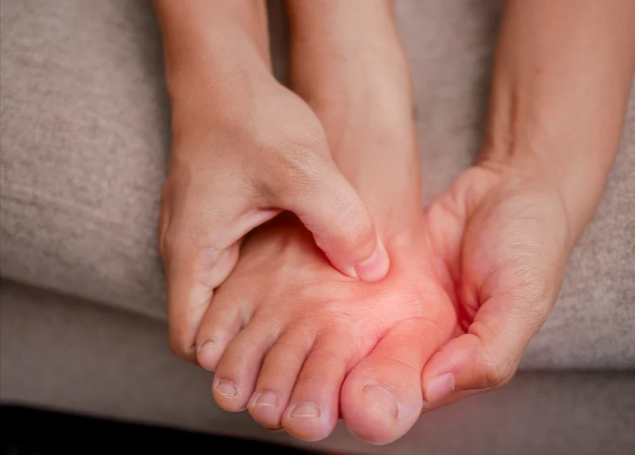
Hammer toe is a deformity that causes the toe to bend downward at the middle joint, creating a curled or hammer-like appearance. The condition commonly affects the second, third, or fourth toes and can become increasingly painful over time.
Fortunately, modern treatment for a hammer toe includes both conservative and surgical options that help relieve discomfort and restore normal foot function.
Mr. Pavel Akimau offers expert orthopaedic care for patients with hammer toe deformities and chronic foot pain.
What Causes a Hammer Toe?
Hammer toe develops due to muscle and tendon imbalance within the foot.
Common contributing factors include:
- Tight footwear
- High heels
- Genetics
- Arthritis
- Bunions
- Foot injuries
- Flat feet
Over time, the toe becomes less flexible and more difficult to straighten.
Symptoms of a Hammer Toe
Patients may notice:
- Bent toe appearance
- Pain while walking
- Corns and calluses
- Toe stiffness
- Swelling
- Difficulty wearing shoes comfortably
Symptoms often worsen gradually.
Conservative Treatment for a Hammer Toe
Early-stage hammer toes may respond well to non-surgical treatment.
Supportive Footwear
Wide shoes reduce pressure on the toes and improve comfort.
Orthotics
Orthotics help improve foot mechanics and relieve stress on the toes.
Toe Exercises
Stretching exercises help maintain flexibility and mobility.
Padding and Splints
Protective devices reduce friction and help support toe alignment.
Anti-Inflammatory Medication
Medication may help reduce swelling and pain temporarily.
Surgical Treatment Options
Surgery may be recommended for severe or rigid deformities.
Tendon Release
Tight tendons are released to improve toe positioning.
Joint Realignment
The toe joint is repositioned into a more natural alignment.
Joint Fusion
Fusion stabilizes severe deformities and reduces pain.
Recovery After Surgery
Recovery may involve:
- Protective footwear
- Temporary activity restrictions
- Physiotherapy
- Gradual return to normal walking
Most patients experience improved comfort after healing.
Preventing Hammer Toe
Preventive strategies include:
- Wearing supportive footwear
- Avoiding narrow shoes
- Treating bunions early
- Seeking treatment for foot pain promptly
Why Choose Mr. Pavel Akimau?
Mr. Pavel Akimau provides advanced orthopaedic treatment for hammer toes and other foot deformities.
Patients benefit from:
- Personalized care plans
- Conservative treatment approaches
- Modern surgical techniques
- Comprehensive rehabilitation support
- Specialist foot and ankle expertise
FAQs
Can hammer toe become permanent?
Yes. Untreated hammer toes can become rigid and more difficult to treat.
Is surgery necessary for all hammer toes?
No. Many flexible hammer toes improve with conservative care.
What shoes are best for hammer toe?
Wide, supportive shoes with spacious toe boxes are recommended.
Can exercises help hammer toe?
Yes. Stretching and strengthening exercises may improve flexibility.
Is hammer toe surgery successful?
Most patients experience significant pain relief and improved toe alignment after surgery.
For more details please visit the website - https://pavelakimau.com/heel-bumps/
Call us at - 07934539252 , 01782 432227
Email at - sjukes@protonmail.com
Address - North Staffordshire Hospital Clayton Road, Newcastle-under-Lyme, ST5 4DB

 Czech
Czech
 English
 Arabic
 French
 Spanish
 Deutsch
 Turkish
 Dutch
Dutch
 Italiano
 Russian
 Romaian
 Portuguese (Brazil)
 Greek
Greek