


 About SPORTIVO Network
How to Create OSHA-Compliant Chemical Labeling for Industrial Environments
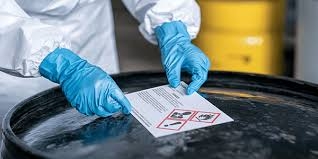
How to Create OSHA-Compliant Chemical Labeling for Industrial Environments
In industrial workplaces such as manufacturing plants, warehouses, and chemical processing units, clear and accurate chemical labeling is not just a compliance requirement. It is a frontline defense against accidents, exposure risks, and operational confusion. A single mislabeled container can lead to severe health hazards, production shutdowns, or regulatory penalties, making proper labeling a daily safety priority rather than a one-time task.
Understanding how to build a compliant labeling system is especially important for safety officers, supervisors, and new professionals entering regulated industries. This is where structured safety education becomes valuable, and many learners begin with foundational programs like OSHA 30 hour Construction Training to understand how hazard communication fits into broader workplace safety systems. Proper labeling is not only about sticking a tag on a container, but about applying standardized communication that workers can instantly understand and trust.
Chemical Labeling Requirements in Industrial Workplaces
Chemical labeling in the United States is primarily guided by the Hazard Communication Standard (HCS), which is aligned with the Globally Harmonized System (GHS). The goal is simple: ensure every worker can identify chemical hazards quickly and respond appropriately.
In industrial environments, labels must communicate:
-
Product identifier (chemical name or code)
-
Hazard pictograms
-
Signal words such as “Danger” or “Warning”
-
Hazard statements
-
Precautionary statements
-
Supplier information
These elements work together to reduce ambiguity. For example, a drum containing corrosive liquid should immediately alert a worker through standardized symbols, even if they have never handled that specific chemical before.
When labeling systems are inconsistent or incomplete, workers are forced to rely on memory or assumptions, which increases the risk of incidents. OSHA’s labeling framework eliminates that uncertainty by standardizing communication across all workplaces.
Why OSHA-Compliant Chemical Labeling Matters in Real Work Environments?
In real industrial settings, labeling is often the first point of contact between a worker and a hazardous substance. A maintenance technician might pick up a container during routine repair work, or a warehouse worker may need to relocate chemicals quickly during storage optimization.
Without clear labels, even experienced workers can make mistakes. Some common risks include:
-
Mixing incompatible chemicals due to unclear identification
-
Incorrect handling during transfer or storage
-
Delayed emergency response during spills
-
Exposure to toxic substances without proper PPE
A practical example can be seen in paint manufacturing facilities. If solvent containers are not clearly labeled with flammability warnings, a worker might store them near heat sources, creating a serious fire hazard.
This is why OSHA-compliant labeling is considered a core safety control, not just a documentation task.
Components of an OSHA-Compliant Chemical Label
Creating compliant labels requires attention to detail. Each element has a specific purpose and cannot be ignored.
1. Product Identifier
This is the chemical name or code that matches the Safety Data Sheet (SDS). Consistency here is critical.
2. Hazard Pictograms
These are standardized symbols that visually represent risks such as:
-
Flammable materials
-
Toxic substances
-
Corrosive chemicals
-
Health hazards
3. Signal Words
Only two signal words are used under OSHA guidelines:
-
Danger (more severe hazards)
-
Warning (less severe hazards)
4. Hazard Statements
These describe the nature of the hazard, such as “causes skin irritation” or “extremely flammable liquid.”
5. Precautionary Statements
These provide instructions for safe handling, storage, and emergency response.
6. Supplier Information
Includes the manufacturer or distributor name and contact details.
Each of these components works together to create a complete communication system that reduces ambiguity in high-risk environments.
Steps Guide to Creating OSHA-Compliant Chemical Labels
Building a compliant labeling system requires a structured approach rather than ad hoc labeling.
Step 1: Identify All Hazardous Chemicals
Start by listing all chemicals used, stored, or transported in the facility. Cross-check them with Safety Data Sheets to ensure accurate classification.
Step 2: Classify Hazards
Each chemical must be evaluated for physical, health, and environmental hazards. This classification determines the pictograms and hazard statements used.
Step 3: Select Standardized Label Elements
Using OSHA and GHS guidelines, assign the correct:
-
Signal word
-
Pictograms
-
Hazard statements
-
Precautionary statements
Step 4: Design the Label Layout
Labels should be clear, readable, and durable. Important considerations include:
-
High contrast colors
-
Legible font size
-
Resistance to moisture and chemicals
-
Proper placement on containers
Step 5: Apply Labels Consistently
Every container, whether primary or secondary, must carry appropriate labeling. Secondary containers used in daily operations are often overlooked but are equally important.
Step 6: Verify and Audit Regularly
Periodic audits ensure labels remain readable and accurate. Faded or damaged labels should be replaced immediately.
Mistakes in Chemical Labeling Systems
Even well-managed facilities sometimes struggle with labeling compliance. Some frequent mistakes include:
1. Incomplete Label Information
Missing hazard statements or pictograms can make a label non-compliant and unsafe.
2. Handwritten Labels Without Standards
While temporary labeling may be necessary, handwritten labels often lack required OSHA elements.
3. Failure to Update Labels
When chemical formulations change, labels must also be updated to reflect new hazards.
4. Poor Label Durability
Labels that fade, peel, or dissolve in industrial conditions create long-term safety risks.
5. Inconsistent Labeling Across Departments
Different departments using different labeling formats can confuse workers and increase risk.
Avoiding these mistakes requires both system design and ongoing supervision.
Practices for Industrial Chemical Labeling Systems
Creating compliance is not enough. Maintaining clarity and usability is equally important.
1. Standardize Across the Entire Facility
All departments should use the same labeling format to avoid confusion.
2. Use Durable Label Materials
Industrial environments often involve heat, moisture, and chemicals. Labels must withstand these conditions.
3. Train Employees Regularly
Workers should understand how to read labels, interpret pictograms, and respond to hazard warnings.
4. Integrate Digital Tracking Systems
Many modern facilities use digital chemical inventories linked to labeling systems for better accuracy.
5. Conduct Routine Safety Audits
Regular inspections help identify faded labels, missing information, or outdated classifications.
These practices strengthen workplace safety culture and reduce human error.
Implementing a Strong Chemical Labeling System: Practical Checklist
A structured checklist helps ensure nothing is missed during implementation:
-
All chemicals are identified and documented
-
SDS sheets are accessible to employees
-
Labels include all required OSHA elements
-
Secondary containers are properly labeled
-
Label materials are industrial-grade
-
Employees are trained on label interpretation
-
Regular audits are scheduled
Following this checklist ensures compliance is maintained consistently rather than temporarily achieved.
The Role of Safety Training in Chemical Labeling Compliance
Even the best labeling system fails if workers do not understand it. Training bridges the gap between compliance design and real-world application.
In many industrial environments, employees learn labeling standards as part of broader safety programs. This is where structured learning pathways become essential. A well-designed OSHA Training Course helps professionals understand not only how labels are created, but why each element matters in preventing workplace incidents.
Training also helps workers develop hazard awareness skills. For example, recognizing a corrosive pictogram immediately can prevent accidental exposure during handling or storage.
Organizations that invest in safety education typically experience fewer labeling errors, better emergency response times, and improved overall compliance performance.
FAQs
What is the purpose of OSHA chemical labeling?
The purpose is to ensure all hazardous chemicals are clearly identified so workers can understand risks and handle substances safely.
Are handwritten labels allowed under OSHA standards?
Handwritten labels may be used temporarily, but they must still include all required hazard information and be legible and durable.
What happens if a chemical label is missing information?
Missing or incomplete labels can lead to non-compliance, increased safety risks, and potential regulatory action during inspections.
Do secondary containers need OSHA labels?
Yes, any container that holds hazardous chemicals outside of the original packaging must be properly labeled.
How often should chemical labels be reviewed?
Labels should be reviewed during regular safety audits and whenever chemical information or formulations change.
Conclusion
Creating OSHA-compliant chemical labeling is a structured process that combines accurate hazard identification, standardized communication, and consistent workplace practices. It is not just about meeting regulatory requirements, but about building a safer and more informed industrial environment where workers can make quick, confident decisions.
When labeling systems are supported by proper training and regular audits, the risk of chemical-related incidents decreases significantly. Over time, this creates a stronger safety culture that benefits both employees and operational efficiency.
Ultimately, compliance is most effective when knowledge and practice work together, supported by continuous learning through programs like an OSHA Training Course that reinforce real-world safety understanding and application.

 Czech
Czech
 English
 Arabic
 French
 Spanish
 Portuguese
 Turkish
 Dutch
Dutch
 Italiano
 Russian
 Romaian
 Portuguese (Brazil)
 Greek
Greek