


 About SPORTIVO Network
The Evolution of Post-Wash Texturizing: Mastering the Mechanics of Second-Day Hair
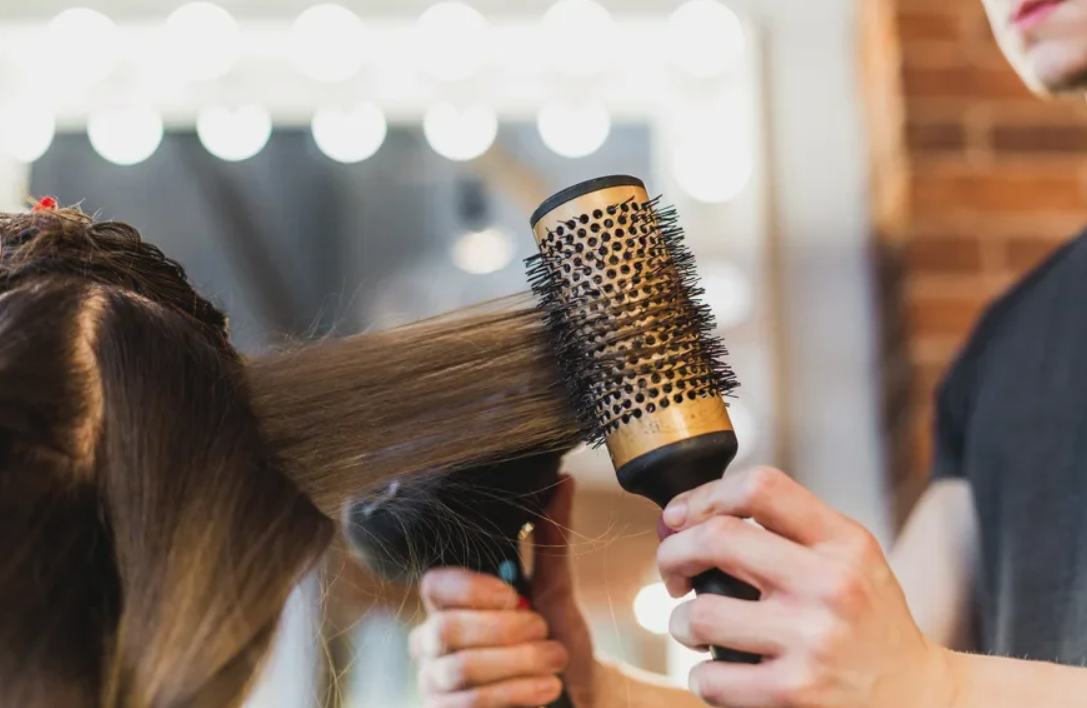
The architecture of a pristine hairstyle depends entirely on how the hair fiber transitions from a wet, vulnerable state to a completely dry, set position. When hair is wet, its hydrogen bonds are temporarily broken by water molecules, allowing the strands to stretch and take on new shapes. As moisture evaporates during a blow-dry or air-drying process, these bonds reform, locking the hair into its current structure. Understanding this physical transformation allows individuals to move beyond the traditional wash-and-style cycle and explore the strategic manipulation of already-dry hair textures.
While traditional wet styling relies on heavy polymers and gels to sculpt wet strands, working with completely dry hair requires an entirely different approach to product application and tool manipulation. Instead of forcing wet hair into rigid patterns, modern texture management emphasizes working with the hair's natural fall, weight, and movement. By focusing on the hair after the moisture has completely left the cuticle, you can address specific problem areas, such as stubborn cowlicks or flat crowns, with pinpoint accuracy, creating an organic, lived-in look that retains its bounce throughout the day.
The Art of Shaping Without Moisture
Manipulating completely dry strands requires a sophisticated understanding of heat distribution and tool selection. When hair lacks moisture, it loses the natural buffering effect that water provides, making the cuticle layer highly sensitive to direct thermal contact. Using flat irons, curling wands, or hot rollers on dry hair demands precise temperature regulation tailored to the specific diameter and chemical history of the strands. Coarse, thick hair profiles can withstand slightly higher temperatures to alter the hydrogen bonds, whereas fine or lightened strands require a gentle, low-heat touch to prevent structural thermal fracturing.
The integration of advanced styling techniques has revolutionized how professionals and consumers approach second-day hair customization. Incorporating an intentional routine of dry styling into your weekly hair regimen allows for targeted volume enhancement and texture refinement without the need for a full, time-consuming wash cycle. By utilizing specialized texturizing powders, dry oil serums, and targeted heat placement, you can effortlessly revive a collapsed blowout, define piecey layers, or smooth down erratic flyaways. This method not only preserves the scalp's natural lipid balance by extending the time between washes but also minimizes the cumulative mechanical stress caused by repeated, vigorous round-brushing on wet, fragile lengths.
Maximizing Longevity in Dry Texture Manipulation
The secret to successful dry hair manipulation lies in the precise, minimal application of specialized formulas designed specifically for moisture-free surfaces. Traditional water-based mousses and heavy lotions will instantly collapse a dry style, causing the hair to revert to its natural wave pattern or become sticky and weighed down. Instead, dry texturizing sprays, aerosolized dry shampoos, and workable finishing pastes are the primary tools used to build separation, grit, and hold. These formulations utilize lightweight minerals like silica and zeolite to absorb excess sebum at the root while simultaneously creating microscopic space between individual hair fibers for instant volume.
When applying products to dry strands, distribution is just as critical as the formula itself. Rather than spraying directly onto the surface layer—which can create a stiff, unnatural shell—products should be misted from a distance of ten to twelve inches while lifting the hair in sections. This allows the product particles to fall evenly throughout the interior architecture of the style, providing a soft, touchable hold that can be easily brushed out or restyled the following day. For the mid-lengths and ends, a microscopic drop of a dry oil serum can be emulsified thoroughly in the palms before being lightly glazed over the surface to seal the cuticle and impart a brilliant, non-greasy reflection.
Correcting Imperfections with Precision
One of the greatest advantages of working with dry hair is the ability to see the immediate result of every adjustment in real time. When hair is wet, its true density and natural movement are completely masked by water weight, making it easy to over-compensate with heavy cutting or intense styling. On dry hair, a stylist or consumer can instantly identify where the hair bunches up, where it thins out, and how it frames the face. This visual clarity allows for highly focused interventions, such as adding a soft bend to a specific face-framing layer or smoothing out a single frizzy section near the crown.
To achieve a balanced look, styling should always begin at the root area to establish the foundation of the shape. Utilizing a directional blow-dry technique with cool or medium air can redirect stubborn root growth patterns without altering the rest of the hair length. Once the root direction is secured, attention can shift to the mid-lengths, using a curling wand or flat iron in alternating directions to create a multi-dimensional, modern wave profile. Finishing the look with a gentle shake of the fingers breaks up any rigid sections, blending the manipulated areas seamlessly with the rest of the natural hair texture.
Preserving the Cuticle Layer During Restyling
Because dry hair lacks the high elasticity of wet hair, it is inherently more susceptible to friction and mechanical breakage if handled roughly. Brushing or combing dry strands with rigid, low-quality plastic bristles can snag on microscopic tangles, tearing the cuticle layer away from the cortex and leading to chronic split ends. To safeguard the structural integrity of the hair during a restyling session, it is vital to use high-quality tools, such as natural boar bristle brushes or wide-tooth carbon combs, which glide smoothly through the hair matrix without creating excessive static electricity.
In addition to proper tool selection, incorporating a lightweight thermal protectant formulated specifically for dry hair application is an absolute necessity before introducing any hot styling tools. These specialized dry defense sprays create an invisible, weightless shield that dissipates intense heat across the hair surface, preventing the delicate keratin proteins from melting or becoming brittle. Taking these protective measures ensures that your hair remains incredibly soft, supple, and healthy, even when transitioning through multiple style changes between your scheduled wash days.
Personalizing Your Style Aesthetics
Creating a truly sophisticated, long-lasting look requires an environment where deep technical knowledge and customized artistic vision come together perfectly. At Salotto Salon, the art of personal hair curation is treated with the highest level of professional dedication. The team of elite stylists approaches every guest with an extensive, personalized consultation, analyzing your unique hair behavior, facial structure, and lifestyle needs to design a fully customized care and styling strategy. Utilizing only premium, health-conscious product formulations, the focus remains entirely on enhancing your natural texture, maximizing light reflection, and ensuring ultimate manageability while strictly protecting the hair's long-term health. The refined, tranquil atmosphere guarantees that every detail of your service is carried out with absolute precision, leaving you with an effortlessly elegant, high-fashion look that turns heads.
Nighttime Care and Morning Revival
The preservation of a beautifully executed style depends heavily on the preventative steps taken during the evening hours. Friction against traditional cotton pillowcases acts as a continuous abrasive force, roughing up the cuticle layer, draining essential moisture, and introducing severe frizz overnight. Upgrading to a pure silk or satin pillowcase allows the hair fibers to glide effortlessly across the surface without snagging, keeping your polished style intact and minimizing the amount of restyling needed the following morning.
For longer lengths, securing the hair in a loose, high topknot using a soft silk scrunchie—often referred to as the "pineapple" technique—prevents the weight of the body from flattening the interior volume and texture while you sleep. Upon waking, simply removing the scrunchie and allowing the hair to drop naturally under its own weight sets the stage for a quick revival. A light misting of a texturizing spray at the roots combined with a brief, cool-air blow-dry instantly reactivates the styling products from the previous day, allowing you to walk out the door with a fresh, voluminous look in less than five minutes.
Conclusion
Achieving effortlessly beautiful, resilient hair requires a thoughtful balance of professional expertise and intelligent daily maintenance strategies. By understanding how to properly manipulate and care for your hair in its dry state, you can eliminate styling frustration, save valuable time, and break free from the cycle of over-washing. Embracing these advanced texture management techniques allows you to maintain a polished, sophisticated look while actively shielding your delicate strands from unnecessary thermal and mechanical stress.
When planning a comprehensive shift in your daily hair routine, relying on the sophisticated guidance of a master stylist guarantees a successful, beautiful outcome. Tailoring your product selection and tool settings to match your hair's specific chemical and physical history ensures that you achieve the perfect balance of volume, hold, and touchable softness. With a dedicated home care routine and a strategic approach to restyling, the long-term benefits of your salon transformations will continue to elevate your personal style and confidence day after day.

 Czech
Czech
 Arabic
 French
 Spanish
 Portuguese
 Deutsch
 Turkish
 Dutch
Dutch
 Italiano
 Russian
 Romaian
 Portuguese (Brazil)
 Greek
Greek