


 About SPORTIVO Network
Vertical Forest Cities: The Future of Green Civil Engineering
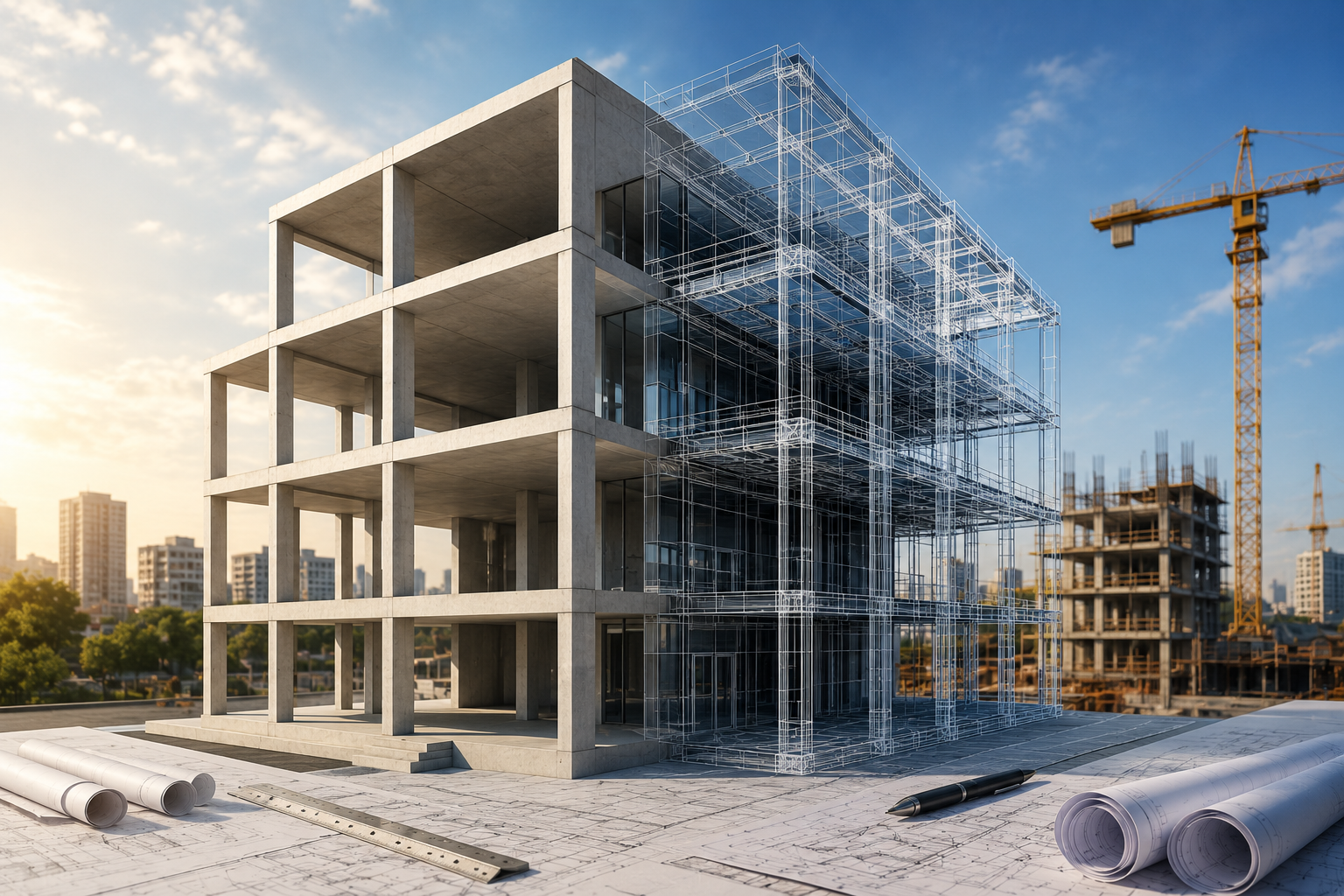
Modern cities are growing faster than ever before. As urban populations increase, cities face major problems such as air pollution, rising temperatures, lack of green spaces, and increasing carbon emissions. Traditional urban development often replaces trees and natural environments with concrete structures, creating unhealthy and overcrowded urban areas.
To solve these challenges, civil engineers and architects are now exploring the concept of vertical forest cities — a new approach to urban development where buildings are integrated with large amounts of vegetation, trees, and green infrastructure.
Vertical forests are more than just decorative buildings. They are carefully engineered systems designed to improve air quality, reduce heat, manage stormwater, and create healthier urban environments.
This concept is becoming one of the most innovative trends in sustainable civil engineering services.
What Are Vertical Forest Cities?
Vertical forest cities use buildings covered with trees, plants, and vegetation to create urban environments that function more like natural ecosystems.
These developments may include:
- Residential towers with planted balconies
- Green façades
- Rooftop gardens
- Sky parks
- Integrated irrigation systems
- Urban farming areas
The goal is to bring nature back into dense urban environments without requiring massive amounts of land.
Why Cities Need More Green Infrastructure?
Rapid urbanization has created several environmental problems.
Urban Heat Island Effect
Concrete and asphalt absorb heat, making cities significantly hotter than surrounding areas.
Poor Air Quality
Vehicle emissions and industrial pollution reduce air quality in many major cities.
Stormwater Runoff
Hard urban surfaces prevent rainwater absorption and increase flooding risks.
Loss of Biodiversity
Urban expansion often destroys natural habitats for plants and wildlife.
Civil engineers are increasingly using green infrastructure to reduce these environmental impacts.
How Vertical Forest Systems Work?
Creating vertical forest buildings requires advanced engineering and planning.
Structural Support Systems
Buildings must be designed to safely support the additional weight of soil, water, and vegetation.
Engineers carefully calculate:
- Dead loads
- Wind loads
- Water retention
- Root system impact
Irrigation Networks
Automated irrigation systems distribute water efficiently throughout the building.
Some projects use recycled rainwater or greywater systems to improve sustainability.
Drainage Design
Proper drainage is critical to prevent water accumulation and structural damage.
Engineers integrate waterproof membranes and controlled drainage layers into the design.
Wind Engineering
Tall buildings experience strong wind forces that can affect trees and plants at higher elevations.
Engineers study wind behavior carefully to protect vegetation and maintain structural stability.
Benefits of Vertical Forest Cities
Improved Air Quality
Plants naturally absorb carbon dioxide and filter pollutants from the air.
Reduced Urban Temperatures
Vegetation cools surrounding areas and reduces heat absorption.
Better Stormwater Management
Green systems help absorb rainwater and reduce flooding risks.
Noise Reduction
Plants and green façades can help reduce urban noise pollution.
Increased Biodiversity
Vertical forests create habitats for birds, insects, and small wildlife.
Improved Mental Health
Green spaces have been linked to reduced stress and improved urban living conditions.
Engineering Challenges
Despite their benefits, vertical forests also create technical challenges.
Structural Complexity
Additional vegetation loads increase engineering requirements.
Maintenance Costs
Trees and plants require continuous maintenance and monitoring.
Water Management
Poor irrigation or drainage design can damage building systems.
Long-Term Durability
Engineers must ensure waterproofing systems remain effective for many years.
Famous Vertical Forest Projects
Several cities have already developed successful vertical forest projects.
Milan, Italy
The Bosco Verticale towers are among the world’s most famous vertical forest buildings.
Singapore
Singapore integrates greenery into many high-rise developments and public infrastructure projects.
China
Several Chinese cities are experimenting with forest tower concepts and green urban districts.
Dubai
Developers are exploring climate-adaptive green skyscrapers for desert environments.
These projects demonstrate how civil engineering and sustainability can work together.
Smart Technology in Green Buildings
Modern vertical forest systems often use advanced smart technologies.
Automated Irrigation Sensors
Sensors monitor soil moisture and water usage in real time.
Climate Monitoring Systems
Smart systems track temperature, humidity, and environmental conditions.
AI-Based Maintenance
Artificial intelligence may help optimize plant health and energy efficiency.
Renewable Energy Integration
Some green buildings combine vegetation systems with solar panels and smart energy networks.
Future of Sustainable Civil Engineering
As climate change and urbanization continue increasing, green infrastructure will likely become more important in future cities.
Future developments may include:
- Entire forest neighborhoods
- Self-sustaining eco-buildings
- Carbon-absorbing infrastructure
- AI-controlled environmental systems
- Climate-responsive urban design
Civil engineers will play a major role in balancing urban growth with environmental sustainability.
Final Thoughts
Vertical forest cities represent a major shift in modern civil engineering and urban planning. Instead of separating cities from nature, engineers are finding new ways to integrate greenery directly into urban infrastructure.
These projects show that future cities can be both technologically advanced and environmentally sustainable. As urban populations continue growing, vertical forests may become an essential part of creating healthier, cooler, and more livable cities around the world.

 Czech
Czech
 Arabic
 French
 Spanish
 Portuguese
 Deutsch
 Turkish
 Dutch
Dutch
 Italiano
 Russian
 Romaian
 Portuguese (Brazil)
 Greek
Greek