


 About SPORTIVO Network
Breaking the Barrier: How Exosomes are Revolutionizing the Treatment of Neurodegenerative Diseases
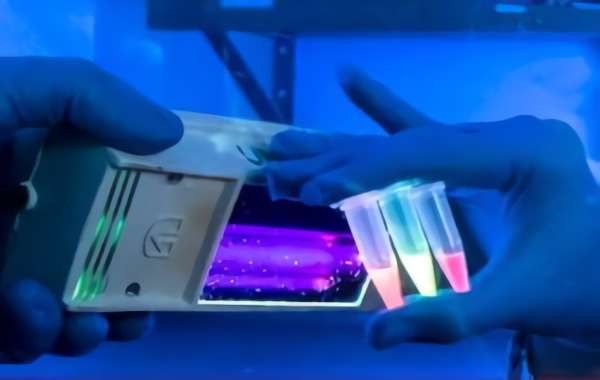
Neurodegenerative diseases represent one of the most daunting and heartbreaking challenges in modern medicine. Conditions like Alzheimer’s and Parkinson’s slowly rob individuals of their memories, motor functions, and independence. For decades, traditional pharmacological interventions have largely fallen short, providing only temporary symptomatic relief rather than halting or reversing disease progression.
The primary hurdle in developing effective treatments? The blood-brain barrier (BBB). This highly selective, semipermeable physiological border protects the central nervous system from circulating toxins and pathogens, but it also stubbornly blocks the vast majority of life-saving macromolecular therapeutics. However, the scientific and medical communities are now turning their attention to a groundbreaking, naturally occurring delivery system: exosomes. These tiny, cell-derived vesicles are actively rewriting the rules of neurological treatment.
The Microscopic Postal System
Exosomes are extracellular vesicles, typically ranging from 30 to 150 nanometers in diameter, secreted by nearly all cell types in the human body. Originally dismissed decades ago as mere cellular "garbage bags" meant to discard biological waste, they are now recognized as highly sophisticated communication shuttles. They carry a complex, carefully curated cargo of proteins, lipids, messenger RNAs, and microRNAs from one cell to another.
What makes exosomes uniquely suited for neurology is their innate, evolutionarily designed ability to traverse the blood-brain barrier seamlessly. Because they are enclosed in a lipid bilayer naturally synthesized by the host, exosomes exhibit remarkable biocompatibility and minimal immunogenicity compared to synthetic lipid nanoparticles. Researchers can now engineer these vesicles to home in on specific neural tissues, delivering targeted genetic material or therapeutic proteins directly to diseased cells without triggering adverse, widespread immune responses.
Tackling the Memory Thief: Alzheimer’s Disease
Alzheimer's disease, the leading cause of dementia globally, is characterized by the toxic accumulation of amyloid-beta plaques and tau protein tangles. This buildup leads to severe neuroinflammation, synaptic dysfunction, and progressive neuronal death. Finding ways to clear these aggregates safely has been notoriously difficult.
Today, researchers are harnessing exosomes derived from mesenchymal stem cells (MSCs) and other specialized cell types to deliver neuroprotective and anti-inflammatory cargo directly to the brain. By modifying these vesicles to carry specific degrading enzymes or short interfering RNAs (siRNAs), scientists aim to actively break down amyloid plaques at the source while simultaneously dampening the brain's inflammatory response. For research institutions and pharmaceutical developers looking to advance these cutting-edge treatments, exploring reliable platforms for therapeutic exosomes for Alzheimer's disease is becoming a critical step in translating laboratory breakthroughs into viable clinical therapies.
Restoring Balance: Parkinson’s Disease
Similarly, Parkinson’s disease presents a devastating progression of motor control loss due to the targeted degeneration of dopamine-producing neurons in the substantia nigra. The hallmark presence of Lewy bodies, primarily composed of misfolded alpha-synuclein proteins, further complicates therapeutic intervention.
Here again, exosome technology is proving to be an invaluable asset. Engineered exosomes can be administered via non-invasive routes, such as intranasal delivery, allowing them to bypass systemic circulation and travel directly along the olfactory and trigeminal nerves into the brain. Once there, they can deliver potent antioxidant agents to protect surviving dopaminergic neurons or transport specific nucleic acids designed to silence the genetic expression of toxic alpha-synuclein. As the landscape of targeted neural delivery rapidly expands, the development of therapeutic exosomes for Parkinson's disease stands out as one of the most promising frontiers in restorative neurology.
The Road Ahead
The transition from symptomatic management to potentially curative therapies in neurodegeneration is a monumental leap. While there are still manufacturing challenges to overcome—such as standardizing isolation protocols, optimizing cargo loading efficiency, and scaling up to clinical-grade production—the trajectory is incredibly clear.
Exosomes represent a fundamental paradigm shift in drug delivery. By exploiting the human body's own microscopic postal system, modern biotechnology is finally unlocking the brain. As we continue to refine these cellular messengers, the dream of effectively reversing neurodegenerative decline is inching closer to reality, marking the dawn of a bright new era for global healthcare.

 Czech
Czech
 Arabic
 French
 Spanish
 Portuguese
 Deutsch
 Turkish
 Dutch
Dutch
 Italiano
 Russian
 Romaian
 Portuguese (Brazil)
 Greek
Greek