


 About SPORTIVO Network
How Coolant Flow Sensors Enhance Cooling System Monitoring
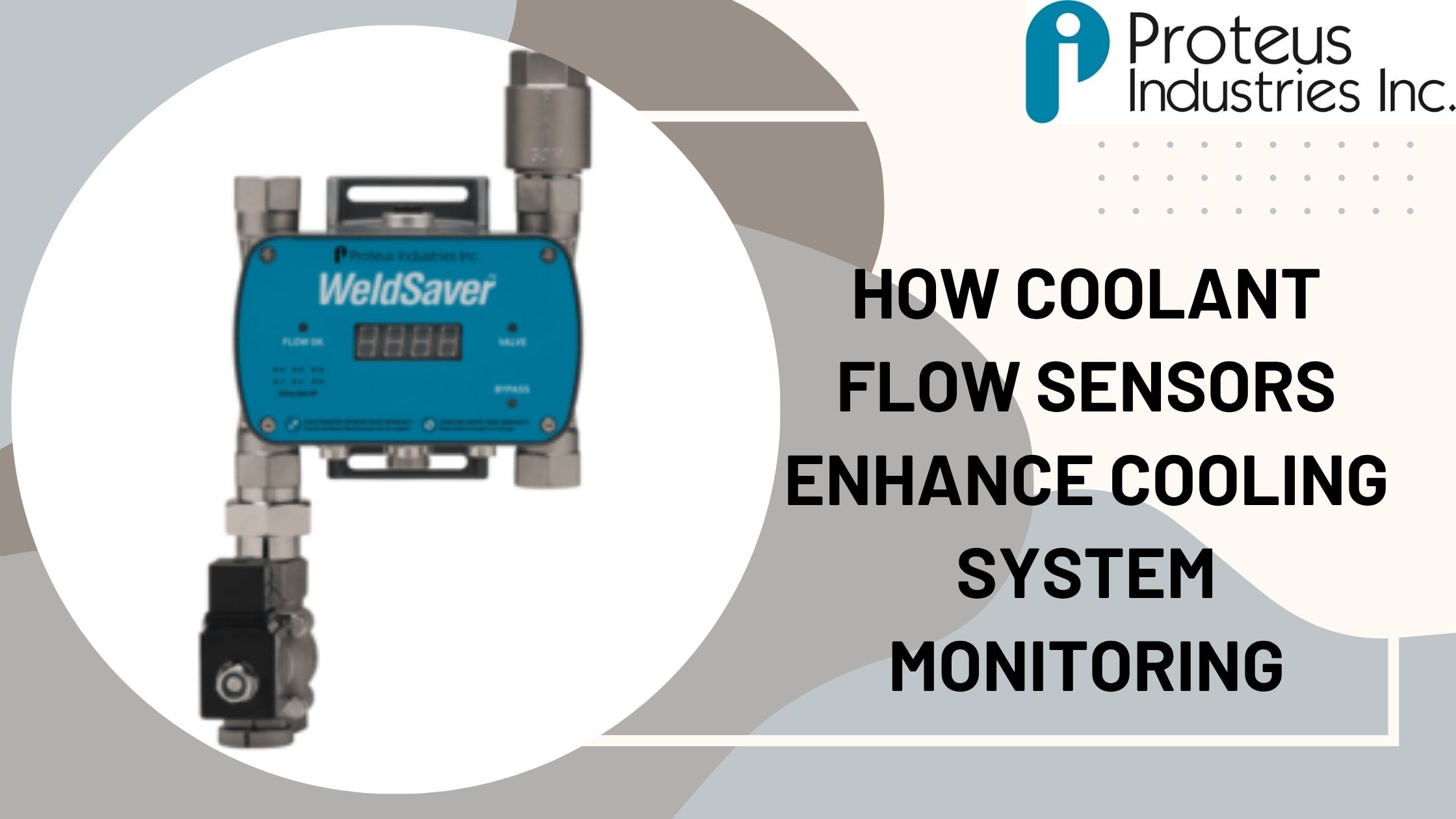
Introduction
Efficient cooling system monitoring is essential for maintaining the performance, safety, and reliability of industrial equipment. Manufacturing machinery, robotic welding systems, laser processing units, and automated production lines generate substantial heat during operation. Without proper cooling management, excessive heat can reduce efficiency, increase maintenance costs, and lead to unexpected equipment failures. This is where a coolant flow sensor becomes a valuable component of modern cooling systems by helping operators monitor coolant movement and maintain consistent cooling performance.
By providing accurate information about coolant circulation, coolant flow sensors allow industries to identify potential issues early and ensure that equipment continues operating within safe temperature limits. As industrial processes become more advanced, reliable cooling system monitoring has become a critical part of maintaining productivity and operational stability.
Understanding the Role of Cooling System Monitoring
Cooling systems are responsible for removing excess heat generated by industrial equipment. Effective monitoring ensures that coolant is circulating properly and reaching the components that require temperature control.
A coolant flow sensor helps operators verify that cooling systems are functioning as intended. By continuously tracking coolant movement, these sensors provide valuable insights into system performance and allow businesses to respond quickly to abnormal conditions.
Proper monitoring not only protects equipment but also supports consistent production quality and improved operational efficiency.
What Is a Coolant Flow Sensor?
A coolant flow sensor is a device that measures the movement of coolant through a cooling system. It is designed to detect whether coolant is flowing at the required rate to maintain safe operating temperatures.
These sensors are widely used in:
- Industrial manufacturing equipment
- Robotic welding systems
- CNC machinery
- Laser cutting and processing systems
- Automated production environments
By providing accurate flow data, coolant flow sensors help operators maintain better control over cooling system performance.
How Coolant Flow Sensors Improve Cooling System Monitoring
Coolant flow sensors enhance monitoring by providing continuous visibility into coolant circulation and system conditions.
Real-Time Flow Measurement
One of the most important benefits of coolant flow sensors is their ability to provide real-time monitoring. Operators can instantly see whether coolant is flowing correctly and identify changes before they affect equipment performance.
This immediate access to data helps improve decision-making and reduces the likelihood of unexpected system failures.
Early Detection of Cooling Issues
Cooling problems often begin with small changes in coolant circulation. Without monitoring, these issues may go unnoticed until significant damage occurs.
Coolant flow sensors help identify:
- Reduced coolant flow
- Coolant leaks
- Blocked coolant lines
- Pump performance issues
Detecting these problems early allows maintenance teams to take corrective action before equipment reliability is affected.
Improved Temperature Control
Consistent coolant flow is necessary for maintaining stable equipment temperatures. By monitoring flow conditions accurately, coolant flow sensors help ensure that cooling systems deliver the right amount of coolant where it is needed.
This contributes to improved equipment performance and reduced thermal stress on critical components.
Enhanced System Reliability
Reliable cooling performance supports overall equipment reliability. When coolant circulation remains stable, machines can operate more efficiently and experience fewer interruptions.
Accurate monitoring helps prevent unexpected breakdowns and improves long-term operational stability.
Common Challenges Solved by Coolant Flow Sensors
Industrial cooling systems can experience several issues that impact performance and safety. Coolant flow sensors help identify and address these challenges before they become serious.
Coolant Leaks
Even small coolant leaks can reduce system efficiency and affect cooling performance. Flow monitoring helps detect changes that may indicate a leak.
Restricted Coolant Pathways
Debris or contamination inside coolant lines can reduce coolant circulation. Monitoring systems help operators identify restrictions quickly.
Pump Malfunctions
Cooling pumps play a vital role in maintaining coolant movement. A failing pump can disrupt flow rates and reduce cooling efficiency.
Inconsistent Cooling Performance
Variations in coolant circulation can lead to uneven temperature control. Flow sensors help maintain consistent cooling conditions throughout the system.
Industries That Benefit from Cooling System Monitoring
Many industries depend on accurate coolant flow monitoring to maintain safe and productive operations.
Manufacturing Facilities
Production equipment often operates continuously and requires reliable cooling to maintain efficiency and product quality.
Robotic Welding Applications
Welding systems generate significant heat and rely on proper coolant circulation to protect sensitive components.
Laser Processing Equipment
Laser systems require precise temperature control to maintain performance and prevent equipment damage.
Automated Industrial Systems
Automation environments depend on continuous monitoring to ensure smooth and uninterrupted operation.
Our Coolant Flow Monitoring Solutions
We provide advanced coolant flow monitoring solutions designed to enhance cooling system performance and support industrial reliability. Our coolant flow sensor technology helps businesses monitor coolant circulation accurately, identify performance issues early, and improve equipment protection.
Our solutions are suitable for manufacturing facilities, robotic welding systems, industrial automation environments, and other applications where cooling system monitoring is essential. We focus on delivering dependable monitoring technology that helps reduce downtime, improve efficiency, and maintain safe operating conditions.
In addition, we work closely with customers to recommend coolant flow monitoring solutions that align with their specific equipment requirements and operational goals.
Conclusion
Cooling system monitoring is essential for maintaining the safety, efficiency, and reliability of industrial equipment. Coolant flow sensors enhance this process by providing accurate, real-time information about coolant circulation and helping operators identify issues before they affect performance.
By supporting better temperature control, early problem detection, and improved operational stability, coolant flow sensors play a critical role in modern industrial environments. Investing in reliable coolant flow monitoring technology can help businesses protect valuable equipment, reduce maintenance costs, and achieve more consistent production results.
Frequently Asked Questions
What is a coolant flow sensor used for?
A coolant flow sensor measures coolant movement within a cooling system to ensure proper circulation and temperature control.
How do coolant flow sensors improve cooling system monitoring?
They provide real-time flow data, helping operators detect issues early and maintain stable cooling performance.
Can coolant flow sensors help prevent equipment damage?
Yes, they help identify cooling problems before overheating or inadequate coolant circulation causes damage.
Where are coolant flow sensors commonly used?
They are commonly used in manufacturing equipment, robotic welding systems, CNC machines, laser systems, and automated production lines.
Why is cooling system monitoring important?
Cooling system monitoring helps maintain safe operating temperatures, improve equipment reliability, and reduce the risk of costly downtime.

 Czech
Czech
 Arabic
 French
 Spanish
 Portuguese
 Deutsch
 Turkish
 Dutch
Dutch
 Italiano
 Russian
 Romaian
 Portuguese (Brazil)
 Greek
Greek