


 About SPORTIVO Network
Third-Party Car Insurance in Qatar: Coverage & Limitations Explained
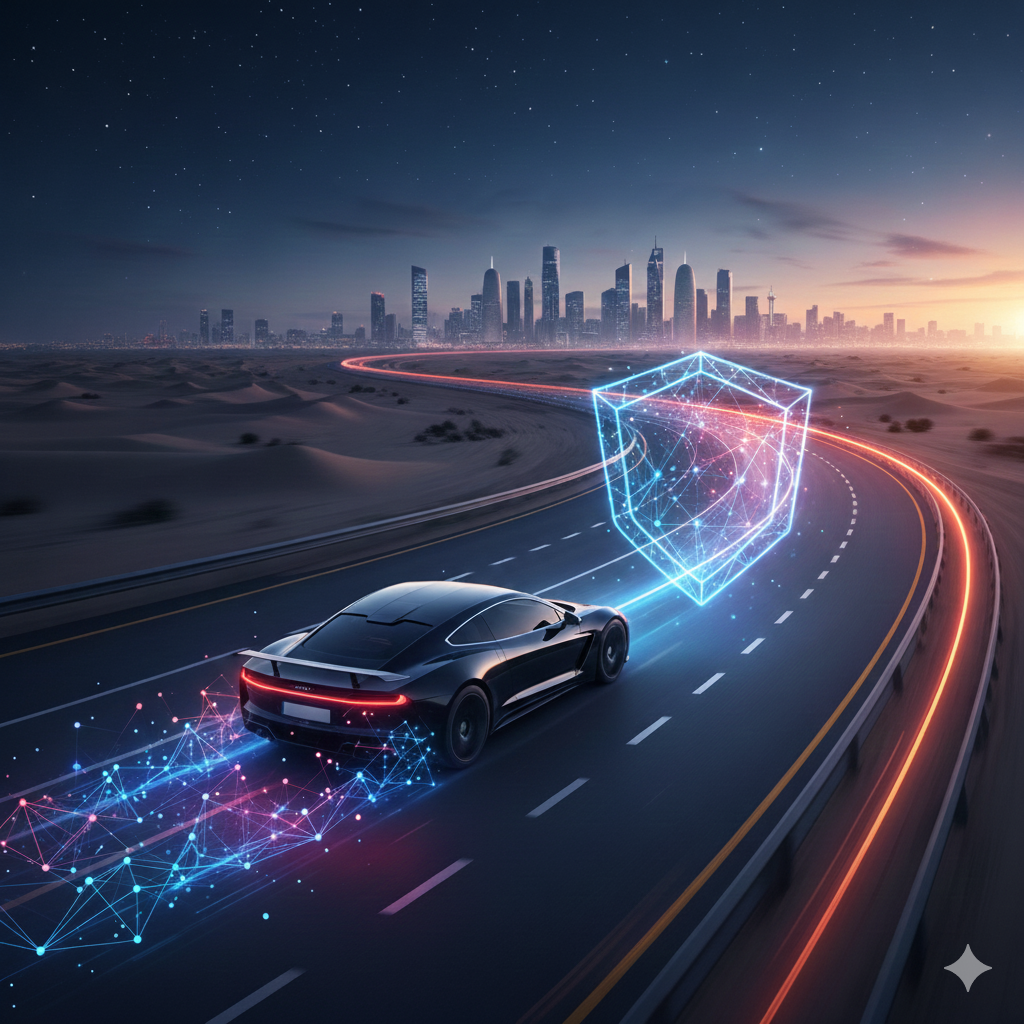
Driving down the Corniche or navigating the busy intersections of Al Rayyan requires more than just attention to the road; it requires the legal safety net of insurance. In Qatar, holding a valid car insurance policy is not optional—it is a mandatory requirement enforced by the Ministry of Interior. However, not all policies are created equal.
For many drivers, especially those looking to minimize costs, Third-Party Liability (TPL) insurance is the go-to option. It is the minimum coverage required by law to register a vehicle. But while it satisfies the legal authorities, does it truly satisfy your financial needs? Many drivers purchase TPL policies without fully understanding the significant gaps in protection they leave behind.
This comprehensive guide explores the ins and outs of third-party car insurance in Qatar . We will dissect exactly what is covered, expose the often-overlooked limitations, and provide real-world scenarios to help you decide if this basic coverage is enough for you or if you are driving on thin ice.
The Legal Foundation: Why TPL is Mandatory
In Qatar, the law mandates that every vehicle on the road must carry at least Third-Party Liability insurance. This requirement is rooted in social responsibility. The government wants to ensure that if a driver causes an accident, the innocent victims—whether they are other drivers, pedestrians, or property owners—are not left with unpaid medical bills or repair costs.
When you register a car or renew your Istimara (vehicle registration) at the Traffic Department, officials will check for valid TPL coverage. Without it, your registration will be denied. This policy places the financial burden of at-fault accidents on insurance companies rather than individuals, creating a system of financial security for the public.
What Third-Party Insurance Covers
The name "Third-Party Liability" is quite literal. In any insurance contract, there are two main parties:
- The First Party: You (the policyholder).
- The Second Party: The insurance company.
- The Third Party: Anyone else involved in an accident caused by you.
This insurance is designed strictly to protect the "Third Party." Here is what a standard TPL policy in Qatar typically covers:
1. Bodily Injury to Others
If you cause an accident that injures a pedestrian, a passenger in another car, or even a passenger in your own car (excluding yourself), your TPL policy steps in. It covers:
- Medical Expenses: Hospital bills, surgery costs, and rehabilitation fees for the injured parties.
- Compensation for Disability: Financial payouts if the accident results in permanent disability.
- Death Benefits: Compensation paid to the family of the deceased if the accident results in a fatality. This is often determined by Sharia law principles regarding "Diyya" (blood money).
2. Property Damage to Others
If you lose control of your vehicle and damage someone else's property, TPL covers the repair or replacement costs. This includes:
- Other Vehicles: Repairing the car you hit.
- Public Property: Fixing damaged streetlights, guardrails, or traffic signs.
- Private Property: Repairing a shop front, a wall, or a parked car you accidentally scraped.
Key Takeaway: TPL is essentially a shield that protects your bank account from lawsuits and compensation claims from other people. It ensures that your mistake doesn't ruin someone else's life financially.
The Critical Limitations: What Is Excluded?
The most important aspect of third-party insurance is understanding what it doesn't cover. This is where many drivers face a rude awakening after an accident. TPL is often referred to as "one-way insurance" because the money only flows out to others; it never flows back to you.
1. Damage to Your Own Vehicle
This is the biggest limitation. If you are at fault in an accident, TPL pays absolutely nothing for your own car.
- If you rear-end a sedan at a traffic light, your insurer fixes the sedan. You are left to pay for your own crumpled bumper and smashed radiator out of pocket.
- If you swerve to avoid a cat and hit a tree, you pay 100% of your repair costs.
2. Your Own Medical Expenses
While TPL covers your passengers, it typically excludes the driver (you) if you caused the accident. If you are injured in a crash you initiated, your car insurance will not pay your medical bills. You would need to rely on your separate health insurance or a Personal Accident rider added to your policy.
3. Theft and Fire
If your car is stolen from outside your apartment or catches fire due to an electrical fault, a TPL policy provides zero compensation. You will lose the entire value of the vehicle. This is a massive risk for owners of newer or high-value cars.
4. Natural Disasters and Vandalism
Did a storm flood your engine? Did someone key your car while you were shopping? TPL offers no protection against these "Acts of God" or malicious acts. These are considered "Own Damage" risks, which only comprehensive insurance covers.
Scenarios: When TPL Works and When It Fails
To illustrate the practical differences, let's look at three common driving scenarios in Doha.
Scenario A: The Parking Lot Fender Bender
The Situation: You are backing out of a parking space at a mall and accidentally hit a parked SUV. You crack their bumper and dent your own trunk.
With TPL: Your insurance pays to fix the SUV's bumper. You have to pay to fix your own trunk.
Verdict: TPL did its job protecting the other party, but you are out of pocket for your own repairs.
Scenario B: The Total Loss Crash
The Situation: You are driving on the expressway and fail to brake in time, causing a severe collision with the car in front. Your car is totaled (write-off). The other driver is injured, and their car is badly damaged.
With TPL: Your insurer pays for the other driver’s medical bills and the replacement value of their car. Your insurer pays you nothing. You have lost your vehicle and its entire value.
Verdict: TPL saved you from a massive liability lawsuit, but you are now car-less with no compensation.
Scenario C: The Stolen Car
The Situation: You wake up to find your parking spot empty. Your car has been stolen.
With TPL: Your insurer opens a file but offers no financial compensation.
Verdict: TPL fails completely here. You have lost your asset entirely.
Who Should Buy Third-Party Insurance?
Despite its limitations, TPL is not a "bad" product. It serves a specific purpose for a specific type of car owner. It is the most affordable option, often costing significantly less than comprehensive coverage. It might be the right choice for you if:
1. You Drive an Older, Low-Value Vehicle
This is the most common reason to choose TPL. If you drive a 10-year-old sedan worth QAR 8,000, paying QAR 2,000 a year for comprehensive insurance might not make financial sense. If the car were totaled, the payout would be small. In this case, "self-insuring" (saving the money you would have spent on premiums to pay for potential repairs) is a valid strategy.
2. You Own the Car Outright
If you have a car loan, the bank will almost certainly require you to carry full comprehensive coverage to protect their collateral. You can only switch to TPL once the loan is fully paid off.
3. You Are an Extremely Careful Driver with Savings
If you are confident in your driving skills and have an emergency fund set aside to buy a replacement car if necessary, you might choose to take the risk of TPL to save on annual premiums. However, remember that you cannot control other drivers or theft.
4. You Don't Drive Often
If you have a second car that sits in the driveway 90% of the time and is rarely exposed to traffic risks, TPL might be sufficient to keep it legal for road use.
The Risks of "Going Cheap"
While the lower premium of TPL is attractive, it carries hidden financial risks that can outweigh the initial savings.
The "Total Loss" Trap:
Imagine you buy a used car for QAR 40,000. To save QAR 1,000 a year, you choose TPL over comprehensive insurance. Six months later, you cause an accident that totals the car. You have "saved" QAR 500 in premiums so far, but you have just lost QAR 40,000 in asset value. That is a devastating financial hit for most people.
The Repair Cost Surprise:
Modern cars are expensive to fix. Even a minor accident involving sensors, bumpers, and headlights can cost QAR 5,000 to repair. If you have TPL, that bill is entirely yours. One minor accident can wipe out years of premium savings.
How to Upgrade or Enhance TPL
If you are stuck with TPL (perhaps due to the age of your car) or want slightly better protection, you do have some options. While you cannot turn a TPL policy into a comprehensive one without buying a new policy, you can often add specific "riders" or add-ons.
1. Personal Accident Cover for Driver:
For a small additional fee (often QAR 50-100), you can add coverage that pays out compensation if you (the driver) suffer death or permanent disability in an accident. This closes one of the biggest gaps in standard TPL.
2. Roadside Assistance:
TPL policies rarely include towing or breakdown services. Adding a roadside assistance package ensures you aren't stranded if your car breaks down, even if the insurance won't pay for the repairs themselves.
Third-Party Insurance for Expats: A Warning
For expatriates new to Qatar, understanding the local driving culture is vital. Traffic can be fast, aggressive, and unpredictable. The risk of accidents is statistically higher here than in many European or North American countries.
Relying on TPL places a significant amount of risk on your shoulders. If you are unfamiliar with the roads or local driving habits, the safety net of comprehensive insurance is strongly recommended, at least for your first few years or until you are driving a low-value vehicle.
Conclusion
Third-Party Liability car insurance in Qatar is the legal baseline—the minimum standard required to be a responsible participant on the road. It fulfills your moral and legal obligation to protect others from your mistakes. However, it offers zero protection for your own asset.
Choosing TPL is a calculated gamble. You are betting that you will not cause an accident, that your car will not be stolen, and that it won't catch fire. For owners of older, inexpensive cars, this is a rational bet. For anyone driving a vehicle they cannot afford to replace with cash tomorrow, TPL is a risky proposition.
Before renewing your policy, look beyond the premium price. Ask yourself: "If I wreck this car tomorrow, can I afford to buy another one?" If the answer is no, then Third-Party Liability insurance is not enough for you.

 Czech
Czech
 Arabic
 French
 Spanish
 Portuguese
 Deutsch
 Turkish
 Dutch
Dutch
 Italiano
 Russian
 Romaian
 Portuguese (Brazil)
 Greek
Greek