


 About SPORTIVO Network
Choosing the Right Monitor for Work, Study, and Entertainment in 2025
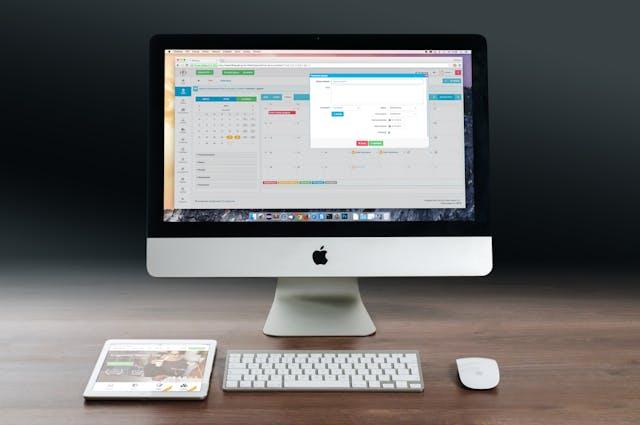
In today’s digital world, a monitor is more than just a display screen—it is a daily companion for learning, productivity, creativity, and entertainment. Whether you are a student attending online classes, a professional working long hours, a gamer seeking smooth visuals, or a creative editor focused on color accuracy, the right display can significantly improve your experience. With so many options available in different sizes, resolutions, and technologies, selecting from the Best monitors Pakistan market requires a clear understanding of your needs and priorities. This guide will help you make an informed choice by explaining key features, types, and practical tips for buying a monitor that truly fits your lifestyle.
Understanding Monitor Sizes and Why They Matter
Monitor size is often the first thing buyers notice, and it plays a major role in comfort and usability. Smaller monitors, usually around 19 to 22 inches, are suitable for basic tasks such as browsing, office work, and online classes. They take up less desk space and are budget-friendly, making them ideal for students or home users with limited room.
Mid-sized monitors, typically 23 to 27 inches, are considered the sweet spot for most users. They offer a balance between screen space and affordability, allowing you to multitask efficiently with split screens. Larger monitors, including 32 inches and above, are perfect for professionals who work with detailed visuals, such as designers and video editors, or for immersive gaming and entertainment setups.
Resolution: Clarity Makes the Difference
Resolution determines how sharp and clear the image appears on the screen. Full HD (1920×1080) is still widely used and works well for everyday tasks. However, as screen sizes increase, higher resolutions become more important to maintain clarity.
Quad HD (2560×1440) offers noticeably sharper visuals and is a popular choice for professionals and gamers who want better detail without extremely high system requirements. Ultra HD or 4K (3840×2160) delivers stunning clarity and is ideal for creative work, media consumption, and future-proof setups. When choosing resolution, it’s important to match it with your computer’s graphics capability to ensure smooth performance.
Panel Types and Their Benefits
Monitor panels affect color quality, viewing angles, and response time. The most common panel types are TN, IPS, and VA.
TN panels are usually more affordable and offer fast response times, making them suitable for competitive gaming. However, they often compromise on color accuracy and viewing angles.
IPS panels are known for excellent color reproduction and wide viewing angles. They are the preferred choice for designers, photographers, and anyone who values visual quality. VA panels sit between TN and IPS, offering good contrast ratios and decent color performance, making them suitable for entertainment and general use.
Refresh Rate and Response Time Explained
For smooth visuals, especially in gaming and fast-moving content, refresh rate and response time are crucial. Refresh rate, measured in hertz (Hz), indicates how many times the screen updates per second. Standard monitors usually offer 60Hz, which is sufficient for office work and media viewing.
Higher refresh rates like 75Hz, 120Hz, or 144Hz provide smoother motion and are favored by gamers. Response time, measured in milliseconds, affects how quickly pixels change color. Lower response times reduce motion blur and ghosting, improving the overall viewing experience.
Connectivity Options to Look For
Modern monitors come with various connectivity options, and choosing the right ones ensures compatibility with your devices. HDMI is the most common and works with laptops, desktops, and gaming consoles. DisplayPort is preferred for high-resolution and high-refresh-rate setups. USB-C is becoming increasingly popular, especially for laptops, as it can transmit video, data, and power through a single cable.
Additional USB ports on monitors can also act as hubs, making it easier to connect peripherals like keyboards, mice, and external storage devices.
Ergonomics and Eye Comfort Features
Spending long hours in front of a screen can cause eye strain and discomfort. Ergonomic features such as adjustable height, tilt, swivel, and pivot allow you to customize the monitor’s position for better posture. Eye-care technologies like flicker-free screens and low blue light modes help reduce eye fatigue, making them especially useful for students and professionals.
Monitors for Different User Needs
Different users have different requirements, and understanding your primary use case can simplify the buying process. Students and office users should prioritize comfort, clarity, and affordability. Creative professionals should focus on color accuracy, higher resolution, and IPS panels. Gamers should look for high refresh rates, low response times, and adaptive sync technologies for smoother gameplay.
Home entertainment users may prefer larger screens with high contrast ratios and good speakers for movies and streaming content.
Budget Considerations and Long-Term Value
Monitors are available across a wide price range, and it’s important to balance cost with features. Entry-level monitors are suitable for basic tasks, while mid-range options offer better visuals and ergonomics. Premium monitors provide advanced features that can enhance productivity and enjoyment over the long term.
Investing in a quality monitor can be cost-effective, as it often outlasts other components and continues to deliver value even after upgrading your computer.
Final Thoughts
Choosing the right monitor is about understanding how you use your screen every day. By considering size, resolution, panel type, refresh rate, connectivity, and comfort features, you can find a display that improves both productivity and enjoyment. As technology continues to evolve, modern monitors offer impressive features at various price points, making it easier than ever to find a suitable option. With the right knowledge and clear priorities, you can confidently select a monitor that supports your work, study, and entertainment needs for years to come.

 Czech
Czech
 Arabic
 French
 Spanish
 Portuguese
 Deutsch
 Turkish
 Dutch
Dutch
 Italiano
 Russian
 Romaian
 Portuguese (Brazil)
 Greek
Greek