


 About SPORTIVO Network
Plantar Fasciitis Treatments: Modern Solutions for Long-Term Heel Pain Relief
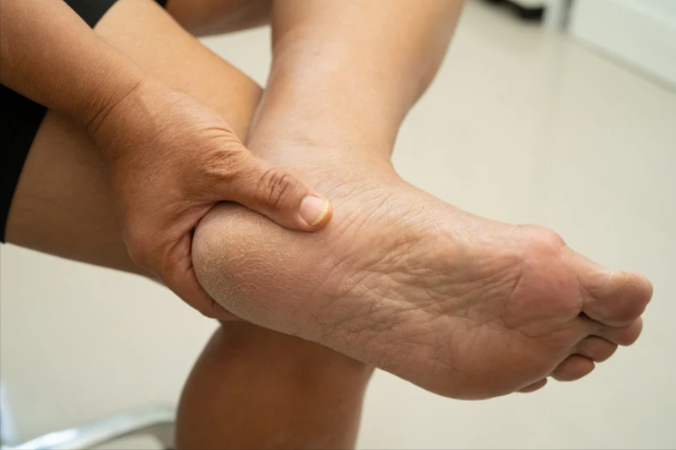
Plantar fasciitis is one of the leading causes of heel pain, affecting millions of people worldwide. The condition develops when the plantar fascia, a thick band of tissue running along the bottom of the foot, becomes irritated or damaged due to excessive strain. This can result in persistent heel pain that affects mobility, exercise, work performance, and overall quality of life. Fortunately, advances in orthopaedic care have led to a wide range of effective plantar fasciitis treatments that help reduce pain, promote healing, and restore normal function.
The plantar fascia acts as a shock absorber and supports the arch of the foot during walking, running, and standing. When excessive stress is placed on this tissue, small tears can develop, leading to inflammation and discomfort. The condition often begins gradually and may worsen over time if not properly addressed.
One of the most common symptoms of plantar fasciitis is sharp heel pain that is most noticeable during the first steps in the morning. Patients often report that the pain eases slightly as they move around but returns after prolonged standing, walking, or physical activity. Some individuals also experience stiffness, tenderness, and discomfort along the arch of the foot.
Several factors contribute to the development of plantar fasciitis. These include prolonged standing, obesity, poor footwear, high-impact sports, tight calf muscles, flat feet, high arches, and sudden increases in physical activity. Understanding these risk factors is important when developing an effective treatment plan.
A thorough assessment by a foot and ankle specialist is the first step in determining the most suitable plantar fasciitis treatments. Clinical examination, gait analysis, and imaging studies may be used to confirm the diagnosis and identify contributing biomechanical issues. Accurate diagnosis allows treatment to be tailored to the individual's specific needs.
Conservative treatment remains the foundation of plantar fasciitis management. Stretching exercises are among the most effective interventions. Regular stretching of the calf muscles and plantar fascia helps reduce tension on the affected tissue and improves flexibility. These exercises are often recommended as part of a daily rehabilitation programme.
Physiotherapy plays a significant role in recovery. A physiotherapist may provide targeted exercises, manual therapy, strengthening programmes, and movement assessments to improve foot function and reduce strain on the plantar fascia. Strengthening the muscles that support the foot and ankle can help prevent recurrence and improve long-term outcomes.
Supportive footwear is another essential component of successful treatment. Shoes with good arch support, cushioning, and stability help reduce pressure on the heel and improve overall foot mechanics. Many patients experience noticeable symptom relief after switching to more supportive footwear.
Custom orthotics are frequently recommended for patients with underlying biomechanical issues. These specially designed inserts help support the arch, improve alignment, and distribute pressure more evenly across the foot. Orthotics can be particularly beneficial for individuals with flat feet, high arches, or abnormal walking patterns.
Pain relief measures often include ice therapy, anti-inflammatory medications, and temporary modifications to activity levels. Reducing repetitive stress on the plantar fascia allows the tissue to heal while helping manage symptoms during recovery.
Among the more advanced plantar fasciitis treatments, extracorporeal shockwave therapy has gained significant popularity. This non-invasive treatment uses acoustic waves to stimulate healing within the damaged tissue and increase blood flow. Shockwave therapy is particularly effective for chronic cases that have not responded to traditional treatment methods.
Platelet-rich plasma (PRP) therapy is another innovative option that may be considered in selected patients. PRP involves using concentrated growth factors from the patient's own blood to support tissue repair and reduce inflammation. While research continues, many patients have reported positive outcomes following PRP treatment.
Night splints are sometimes recommended for patients experiencing severe morning pain. These devices keep the foot in a stretched position overnight, helping prevent tightening of the plantar fascia and calf muscles during sleep.
Surgical intervention is rarely necessary but may be considered for patients with severe, long-standing symptoms that have not improved despite extensive conservative management. Surgical procedures typically aim to release tension within the plantar fascia and address any underlying structural abnormalities.
Mr Pavel Akimau specialises in diagnosing and treating plantar fasciitis and other complex foot and ankle conditions. His personalised approach focuses on identifying the root cause of heel pain and creating treatment plans tailored to each patient's lifestyle, activity level, and goals.
Recovery from plantar fasciitis varies depending on symptom severity and treatment adherence. Many patients experience significant improvement within a few months when following a structured treatment programme. Early intervention often leads to faster recovery and reduces the risk of chronic heel pain.
With modern advances in physiotherapy, orthotic technology, regenerative medicine, and shockwave therapy, effective plantar fasciitis treatments are available for patients at every stage of the condition. Seeking specialist care can help relieve pain, restore mobility, and support a return to an active, comfortable lifestyle.
For more details please visit the website - https://pavelakimau.com/
Call us at - 07934539252 , 01782 432227
Email at - sjukes@protonmail.com
Address - North Staffordshire Hospital Clayton Road, Newcastle-under-Lyme, ST5 4DB

 Czech
Czech
 Arabic
 French
 Spanish
 Portuguese
 Deutsch
 Turkish
 Dutch
Dutch
 Italiano
 Russian
 Romaian
 Portuguese (Brazil)
 Greek
Greek