


 About SPORTIVO Network
How Law Enforcement Uniforms Support Professional Identity
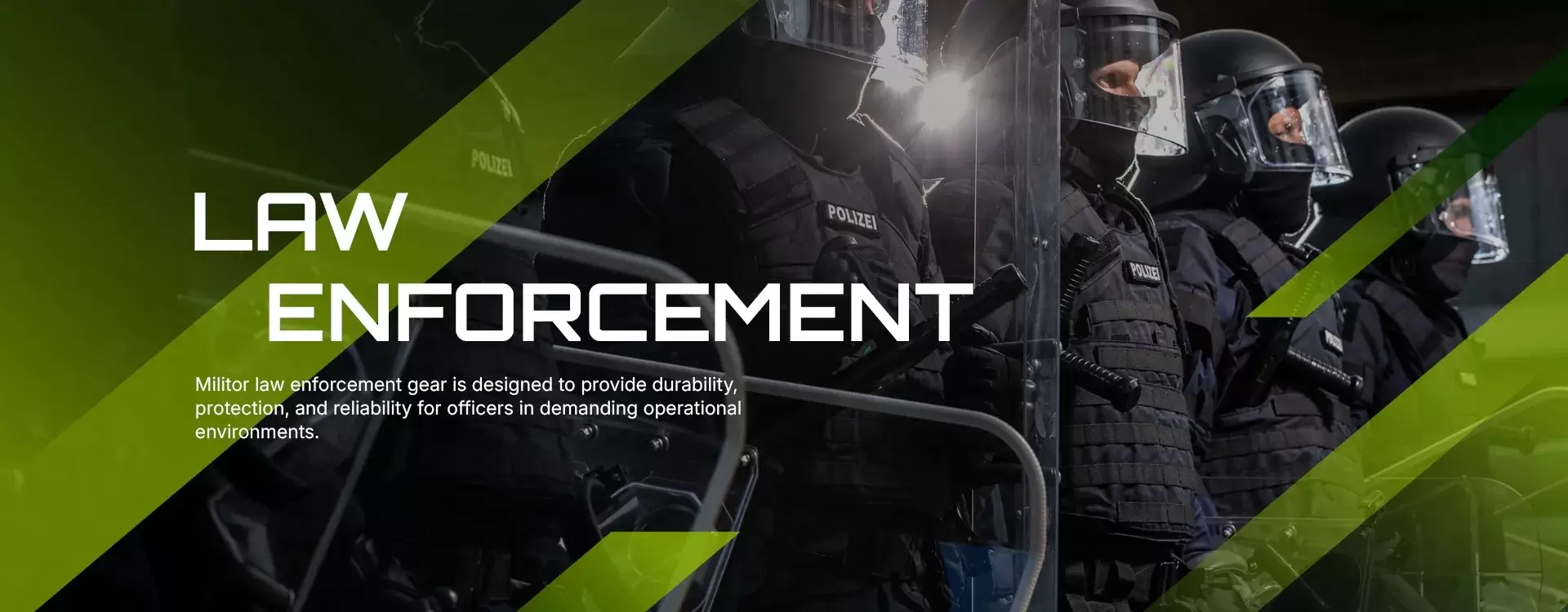
Law enforcement uniforms play an important role in shaping how officers are seen by the public and how they see themselves. A uniform is more than work clothing. It represents authority, duty, discipline, and public service. For police departments, sheriff offices, correctional units, and public safety agencies, uniforms help create a clear professional identity.
When officers wear a proper uniform, they become easy to recognize. People know who to approach during emergencies, public events, traffic stops, and community situations. This clear identity helps build order and confidence. It also reminds officers that they represent their department and the values of public service.
Law Enforcement Uniforms Create a Clear Public Image:
A strong professional identity starts with recognition. Law enforcement uniforms make officers visible and easy to identify. This matters in busy streets, schools, airports, court buildings, public events, and emergency scenes.
When people see a uniformed officer, they quickly understand that the person has an official role. The badge, patches, nameplate, rank markings, and uniform colors all help show authority and responsibility. These details make the officer’s identity clear without needing an explanation.
A clear public image also helps reduce confusion. In stressful situations, people need fast direction. A proper uniform helps the public know who can provide help, control a scene, answer questions, or take action.
Uniforms Show Authority and Responsibility:
Law enforcement uniforms carry a strong message. They show that the officer has been trained and trusted to protect the public. The uniform gives officers a visible position of authority, but it also shows responsibility.
This balance is important. Authority without professionalism can feel distant. Professional appearance helps authority look organized, respectful, and controlled. A clean and proper uniform shows that the officer takes the role seriously.
Every part of the uniform adds to this image. A well placed badge, polished footwear, clean shirt, proper fit, and official patches all help create a strong professional look. These details may seem small, but they affect how people respond to officers.
Uniforms Build Department Unity:
Professional identity is not only about one officer. It is also about the whole department. Law enforcement uniforms create a shared appearance among officers. This helps build unity and teamwork.
When officers wear the same approved uniform, they become part of one organized agency. It shows that they follow the same standards and represent the same mission. This consistency is important for public trust and internal discipline.
Uniforms also help officers feel connected to their department. They remind each person that they are part of a larger team. This can support pride, responsibility, and stronger service values.
A Professional Uniform Supports Public Trust:
People often form opinions before a conversation begins. Appearance can affect how the public sees an officer. A clean, fitted, and consistent uniform can create a better first impression.
Law enforcement uniforms help show that the department values order, care, and professionalism. When officers look prepared and organized, the public may feel more confident approaching them. This matters during routine patrols, community meetings, school visits, and public safety events.
Trust is built through behavior, fairness, and service. However, a professional uniform supports that trust by showing accountability. It gives the public a clear sign that the officer is on duty and responsible for official action.
Uniforms Encourage Professional Conduct:
Wearing a uniform can also influence how officers carry themselves. A uniform reminds officers that they represent the law, their department, and their community. It creates a sense of duty every time they step into public view.
This visible role can encourage discipline and proper behavior. Officers understand that their actions reflect on the whole agency. The uniform becomes a daily reminder to act with respect, control, and professionalism.
A strong uniform policy also supports this standard. When departments set clear rules for uniforms, grooming, badges, footwear, and equipment, they help maintain a professional culture.
Consistency Makes the Agency Look Organized:
Uniform consistency is a key part of professional identity. If officers wear different styles, colors, or equipment without clear rules, the department can look disorganized. A consistent uniform system creates a stronger image.
The public should be able to recognize officers from the same department easily. Matching patches, badges, shirts, trousers, jackets, and duty gear help create that identity. It also makes the department look more reliable and prepared.
Consistency is also useful during large events or emergencies. When many officers are working together, a clear uniform style helps people identify official personnel quickly.
Proper Fit Improves Confidence and Appearance:
Fit is an important part of professional identity. A uniform that is too loose or too tight can look careless and feel uncomfortable. A proper fit helps officers move well and present themselves with confidence.
Officers may spend long hours walking, driving, standing, or responding to calls. Their uniform must support these duties while still looking professional. Good sizing, flexible fabric, and practical design can improve both comfort and appearance.
When officers feel comfortable in their uniforms, they can focus better on their work. Confidence in appearance can support confidence in service.
Uniform Details Communicate Rank and Role:
Law enforcement uniforms often include details that show rank, department, and duty role. These may include stripes, badges, shoulder patches, pins, nameplates, or special unit markings.
These details help both the public and other officers understand who is responsible for what. For example, a supervisor’s rank marking can make leadership clear during an emergency. A unit patch can show whether an officer works in traffic, patrol, corrections, or special operations.
Clear role identification improves communication. It also strengthens the professional structure of the agency.
Uniforms Help Separate Personal Identity from Professional Duty:
When officers put on a uniform, they step into a public service role. The uniform helps separate personal identity from professional duty. This matters because officers are expected to act based on law, policy, and public responsibility.
The uniform reminds officers that they are not acting only as individuals. They are representing an institution. This can support fair decision making, discipline, and a stronger sense of accountability.
For the public, this separation is also important. People see the officer as an official representative of public safety. That clear role helps create structure in public interactions.
Quality Uniforms Reflect Department Standards:
The quality of law enforcement uniforms says something about the department. Poor quality uniforms can fade, tear, fit badly, or lose shape. This can affect both comfort and public image.
High quality uniforms show that a department values its officers and its public appearance. Durable fabric, strong stitching, color retention, and practical design all support a more professional identity.
Quality also affects performance. Officers need uniforms that can handle daily duty, weather changes, frequent washing, and physical movement. A uniform that looks good and performs well supports the image of a prepared agency.
Modern Uniforms Balance Authority and Approachability:
Today, many departments want uniforms that show authority without creating distance from the community. This balance is important. Officers need to look ready and professional, but they should also appear approachable.
The right uniform design can support this balance. Clean lines, proper colors, visible identification, and practical features can create a professional but calm appearance. Community officers may need a different style than tactical units because their daily role involves more public interaction.
Final Thoughts:
Law enforcement uniforms support professional identity by creating recognition, authority, unity, and trust. They help officers present themselves as trained public servants and help communities identify who is responsible for safety and order.
A strong uniform does more than complete an officer’s appearance. It reflects department standards, supports discipline, and reminds officers of their duty. When law enforcement uniforms are clean, consistent, comfortable, and well designed, they strengthen both officer confidence and public trust.
For any public safety agency, choosing the right uniform is an important part of building a professional image. It shows respect for the role, the department, and the people officers serve every day.

 Czech
Czech
 Arabic
 French
 Spanish
 Portuguese
 Deutsch
 Turkish
 Dutch
Dutch
 Italiano
 Russian
 Romaian
 Portuguese (Brazil)
 Greek
Greek