


 About SPORTIVO Network
How to Choose the Right Lawn Roller
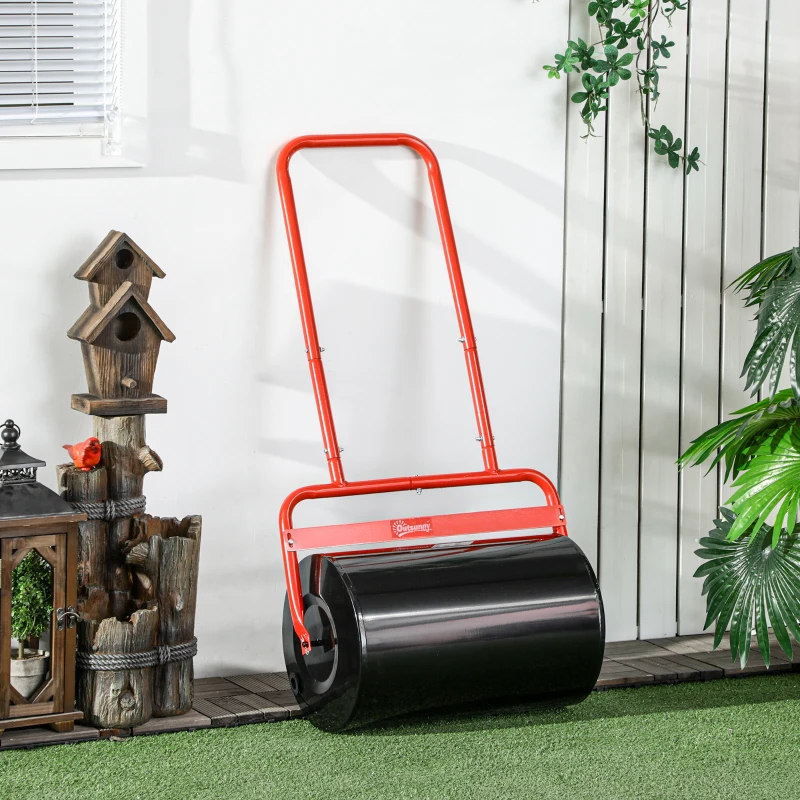
If your lawn has uneven patches, shallow depressions, or bumps that make mowing difficult, a lawn roller can help create a smoother and more consistent surface. Over time, weather changes, soil movement, and everyday lawn activity can leave turf looking rough and uneven. The key is choosing a roller that matches your lawn size, soil conditions, and maintenance goals. Selecting the right model ensures effective results without putting unnecessary stress on your grass or soil.
Let's walk through how to pick the one that actually suits your yard.
First, Decide If You Even Need One
Before you spend a loonie, be honest about your lawn. Rollers are great for a few specific jobs, but they're not a cure-all.
A lawn roller is worth it if you're:
-
Smoothing out frost heave after the spring thaw
-
Pressing down freshly laid sod so the roots make good contact with the soil
-
Firming up new grass seed for better germination
-
Flattening minor bumps and mole tunnels across an otherwise healthy lawn
It's not the right tool if your lawn has serious dips, drainage problems, or heavy compaction already. In those cases, rolling can actually make things worse by squishing the soil even tighter. Topsoil and proper leveling are the better fix there.
Steel or Poly? Pick Your Drum
The drum is the heart of the roller, and you've basically got two choices.
Steel drums
-
Heavier-duty and longer-lasting
-
Hold their shape and weight well
-
Can rust over time if you don't dry and store them properly
-
Usually cost a bit more
Poly (plastic) drums
-
Lighter and easier to haul around
-
Won't rust, which is a nice perk for our wet springs
-
More affordable
-
Can crack or warp under rough treatment or extreme cold
For most homeowners, a good poly roller does the trick just fine. If you've got a big property or you're rolling regularly, steel earns its keep.
Size and Weight Matter More Than You'd Think
Here's where folks often go wrong. A roller that's too heavy can compact your soil and choke out your grass roots. Too light, and you'll barely make a dent.
The trick is that most lawn rollers are fillable. You add water or sand to adjust the weight, so you want a drum capacity that gives you room to dial it in.
A few rough guidelines:
-
Small yards (under 2,000 sq ft): An 18- to 24-inch drum is plenty
-
Average suburban lots: A 24- to 36-inch drum hits the sweet spot
-
Large properties or acreage: Go 48 inches or wider, and consider a tow-behind
One golden rule: Fill the drum only partway when you start. You can always add more weight, but you can't un-compact your soil once the damage is done.
Push or Tow-Behind?
How you'll move the thing depends on the size of your yard and what you've got in the garage.
Push rollers are the go-to for most of us. They're simple, affordable, and fine for small to mid-sized lawns. Just know that a full drum gets heavy in a hurry, so be ready for a bit of a workout.
Tow-behind rollers hitch up to a riding mower or lawn tractor. If you've got a big country property or a yard that takes ages to cross, this is the way to save your back and your afternoon.
Build Quality: The Little Things to Check
Two rollers can look identical and perform completely differently. Before you buy, give these a once-over:
-
Scraper bar: Keeps mud and grass from caking onto the drum as you roll
-
Smooth, sealed drum plug: A cheap plug leaks, and a leaky roller is a frustrating roller
-
Comfortable handle: A padded or well-shaped grip makes a real difference on a full drum
-
Sturdy frame and axle: Thin metal bends, especially under a heavy steel drum
Don't Forget Storage
This one's easy to overlook, but our winters are brutal on equipment. Always drain your roller before you put it away. Leftover water can freeze, expand, and crack the drum or pop a seam. Store it somewhere dry, and if you've got a steel drum, a quick wipe-down keeps the rust at bay.
The Bottom Line
Choosing the right lawn roller really comes down to matching the tool to your yard:
-
Small lawn? A light poly push roller is all you need.
-
Big property? Spring for a wider steel tow-behind.
-
Either way, start light on the fill and store it dry over winter.
Get those basics right and you'll have a smooth, healthy lawn to show for it, just in time for the first barbecue of the season.

 Czech
Czech
 English
 Arabic
 French
 Spanish
 Portuguese
 Turkish
 Dutch
Dutch
 Italiano
 Russian
 Romaian
 Portuguese (Brazil)
 Greek
Greek