


 About SPORTIVO Network
NBC Filtration for Bunkers and Safe Rooms
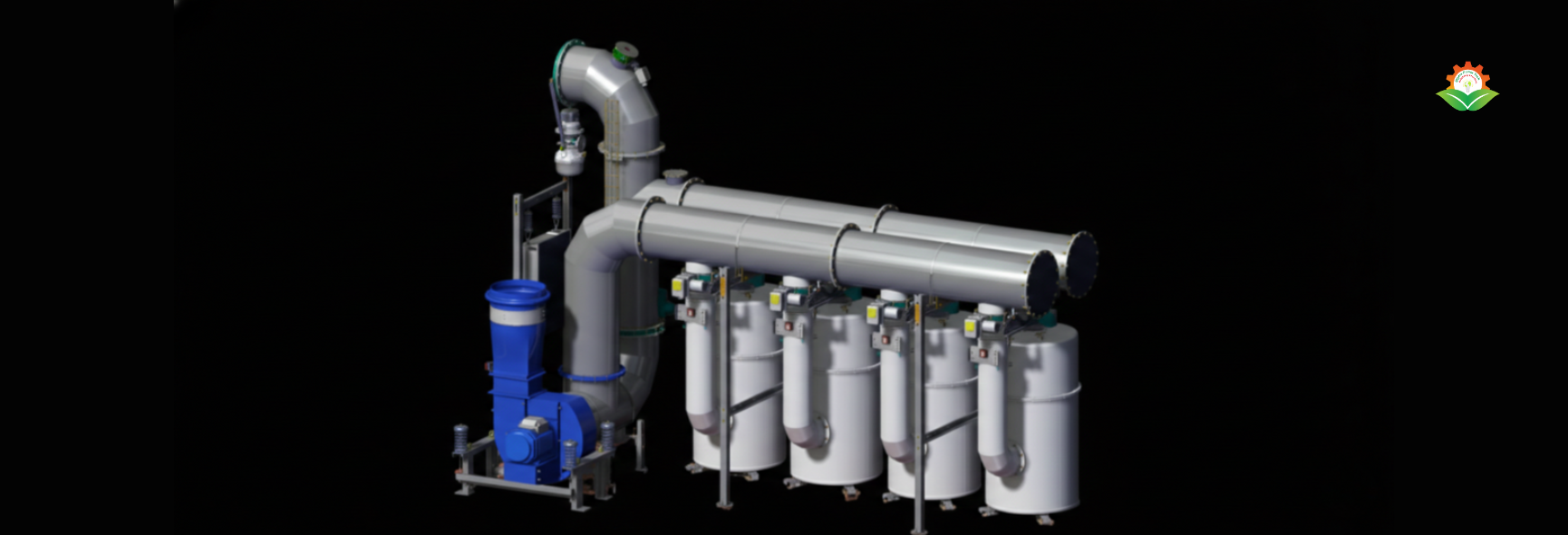
A frontline command post in a hardened bunker detects an external chemical plume from a damaged industrial plant. Troops and staff need uninterrupted, contaminant-free air while systems assess and neutralize the hazard. In that moment, the NBC filtration system determines whether the shelter remains a safe operational node or becomes a contamination casualty.
NBC threats—nuclear fallout, aerosolized biological agents, and chemical warfare toxins—remain practical risks for military, industrial, and critical infrastructure facilities. An NBC filtration system is the engineered barrier that prevents harmful particulates, bioaerosols, and toxic gases from entering protected spaces and maintains survivable conditions during an incident. This article explains how those systems work, key design considerations, and what owners should evaluate when specifying protection for bunkers, safe rooms, and critical facilities.
How an NBC filtration system works
At its core, an NBC filtration system combines staged airborne particulate capture, gas adsorption, and controlled pressurization to achieve contaminant exclusion and removal.
-
Multi-stage filtration: Coarse pre-filters remove debris and extend downstream life; HEPA-class filters capture radioactive particulates and biological agents to efficiencies of 99.97% at 0.3 µm or better.
-
Activated carbon and chemisorption beds: Granular and impregnated carbons adsorb and react with volatile chemical warfare agents (nerve, choking, blister agents) and industrial toxic gases.
-
Positive-pressure control: The conditioned zone is held at a slight positive pressure relative to outside to prevent infiltration through seals and doors.
-
Environmental control integration: HVAC modules regulate temperature, humidity, and CO2 while filtration modules handle contaminant loads.
-
Monitoring and isolation: Continuous particulate and toxic-gas monitors trigger isolation and filter bypass controls; redundant blower paths enable sustained operation if one module fails.
Protection mechanisms for specific threats
-
Nuclear particles: Radioactive particulates are captured by HEPA and depth filters; subsequent controlled exhaust and filtered relief prevent re-entrainment.
-
Biological agents: Viruses and bacteria carried on aerosols are removed with HEPA and tight-seal ventilation; UV-C or controlled HEPA redundancies can be included for additional inactivation.
-
Chemical agents: Adsorptive carbon beds (often impregnated with reactive chemicals) and multiple carbon stages provide breakthrough resistance and extended service life under variable concentration profiles.
Key features that define effectiveness
-
HEPA filtration, rated and tested to established standards.
-
High-capacity activated carbon and specialty chemisorbers for toxic gas adsorption.
-
Toxic gas adsorption modeling and breakthrough testing aligned to expected threats.
-
Positive pressure operation with fail-safe controls and automatic isolation dampers.
-
Corrosion-resistant housings and serviceable filter cartridges for hostile environments.
-
Continuous air-quality and differential-pressure monitoring compatible with BMS and EOC interfaces.
-
Modular, energy-efficient fans and redundancy for reliable emergency operation.
-
Low-maintenance designs with clear filter-change procedures and long operational life.
Applications where NBC filtration is essential
-
Military shelters and hardened command-and-control centres.
-
Ammunition storage and ordnance depots where secondary hazards exist.
-
Nuclear power plants and radiological response centres.
-
Chemical processing and petrochemical facilities with VOC release risk.
-
Border security checkpoints, underground bunkers, and strategic infrastructure.
-
Emergency operation centres, data centres, and government security buildings requiring uninterrupted clean air.
System selection: engineering factors to prioritize
Choose systems based on threat-informed engineering rather than initial cost alone.
-
Threat assessment: Define expected agents, concentration ranges, and duration.
-
Airflow capacity: Size systems to supply required fresh-air rates per occupant and equipment heat loads.
-
Filtration efficiency: Specify HEPA grades, carbon bed mass, and breakthrough times.
-
Occupancy and space: Account for peak shelter population and surge conditions.
-
Environmental conditions: Consider temperature, humidity, and corrosive atmospheres.
-
Compliance: Align with defence, nuclear, and industrial standards and test protocols.
-
Installation complexity: Assess duct routing, structural penetrations, and power resiliency.
-
Monitoring and controls: Include continuous sensors, alarm integration, and remote diagnostics.
-
Lifecycle costs: Evaluate replacement filter logistics, carbon reclamation intervals, and energy consumption.
Buyer’s guide: what to evaluate in a supplier
When procuring an NBC filtration solution, evaluate technical depth and field-proven capability.
-
Industry and defence engineering experience and project references.
-
Manufacturing quality, QA procedures, and materials traceability.
-
Testing and validation: aerosol penetration, gas breakthrough, and full-system commissioning.
-
Compliance certifications for HEPA, gas adsorption media, and pressure vessels.
-
Customization options to match facility geometry and threat profile.
-
Post-installation support: commissioning, training, spare parts, and maintenance contracts.
-
Clear documentation: performance curves, maintenance schedules, and emergency procedures.
-
Long-term reliability and upgrade pathways for evolving threats.
Common mistakes to avoid
-
Selecting equipment without a formal threat assessment.
-
Ignoring accurate airflow calculations and pressure balancing.
-
Underestimating filtration media mass and service life under expected loads.
-
Choosing systems solely on lowest purchase price.
-
Neglecting maintenance planning and spare-part provisioning.
-
Failing to test and commission under realistic leak and load conditions.
-
Overlooking pressurization controls and fail-safe modes for emergency power loss.
Practical reference
For project teams preparing specifications or evaluating vendors, review established system solutions and real-world case studies to validate performance and maintainability; for example, consider established modular solutions tailored to bunkers and command centres like those available from experienced local suppliers such as Nbc filtration system india.
Conclusion
An effective NBC filtration system is a purpose-designed integration of HEPA particulate capture, activated carbon chemisorption, pressurization control, and robust monitoring. Proper system selection—grounded in threat assessment, airflow engineering, and validated testing—ensures occupant safety, operational continuity, and long-term resilience of critical infrastructure. Prioritizing engineering quality and lifecycle planning over cost alone delivers reliable contamination protection when it matters most. An NBC filtration system remains an essential defensive investment for bunkers, safe rooms, and strategic facilities committed to keeping people and mission systems safe.

 Czech
Czech
 English
 Arabic
 French
 Spanish
 Deutsch
 Turkish
 Dutch
Dutch
 Italiano
 Russian
 Romaian
 Portuguese (Brazil)
 Greek
Greek