


 About SPORTIVO Network
The Superfake Revolution: Redefining Luxury in the Modern Age
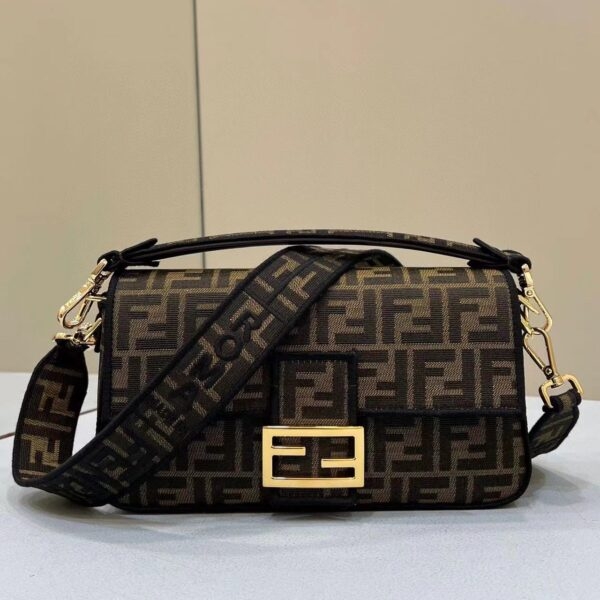
The world of luxury fashion is experiencing a seismic shift, one that is challenging the very foundations of what it means to own a designer piece. For decades, the distinction between an authentic luxury handbag and a counterfeit was clear—the former was a symbol of status, craftsmanship, and exclusivity, while the latter was a cheap, poorly made imitation that fooled no one. However, the landscape has transformed dramatically. Today, a new category of goods has emerged that blurs these lines so effectively that even industry experts are struggling to tell the difference. This is the era of the superfake handbag, and it is reshaping the way consumers think about luxury, value, and style.
The term "superfake" might sound like a contradiction, but it accurately describes a new breed of replica that has elevated imitation to an art form. Unlike the counterfeit bags of the past, which were often made from cheap materials and featured obvious flaws, superfake handbags are crafted with an obsessive attention to detail. They are produced in secret workshops where skilled artisans replicate every aspect of the original design, from the type of leather and the color of the thread to the weight of the hardware and the precise placement of logos. These are not the kind of bags you would find on a street vendor's table; they are sophisticated products that often come with a price tag to match their quality, sometimes costing hundreds or even thousands of dollars. This shift has created a new market dynamic where the lines between genuine and replica are no longer defined by quality, but by provenance and price.
The rise of the superfake handbag is driven by a combination of factors that reflect changing consumer attitudes. One of the most significant is the growing skepticism among younger shoppers, particularly Gen Z, toward the traditional luxury industry. As reports surface about the massive markups on designer goods—with some handbags costing up to fifteen times their manufacturing cost—many consumers are questioning the value proposition of authentic luxury. Why spend $10,000 on a bag when you can purchase a near-identical version for a fraction of the price? This sentiment has been amplified by social media and online communities where enthusiasts share information about high-quality replicas, turning the purchase of a superfake handbag into a savvy, almost rebellious act. For these consumers, the superfake is not just a product; it is a statement against what they perceive as the inflated pricing and exclusivity of the luxury market.
The sophistication of superfake handbags is nothing short of remarkable. To achieve this level of authenticity, counterfeiters have adopted industrial-scale techniques and technologies. In some cases, they have managed to obtain the original design specifications for luxury bags, including details about the type of thread, leather specifications, and even the stitch count. Some workshops have even recruited craftsmen who previously worked for major luxury brands, offering them salaries significantly higher than what they earned at the original houses. The result is a product that is often indistinguishable from the real thing, even to trained eyes. The Wall Street Journal reported on cases where superfake handbags were so convincing that they fooled authentication experts and even the sales staff at luxury boutiques. In one notable incident, a social media influencer carrying a superfake Hermès Birkin was approached by an admirer who offered to buy it, completely unaware that it was not authentic. Stories like these highlight just how far the quality of replicas has come.
The market for superfake handbags has also evolved to become more professional and consumer-friendly. Gone are the days when buying a fake bag meant dealing with shady sellers in back alleys. Today, these transactions often take place through encrypted messaging apps like WhatsApp and Telegram, where sellers provide real-time customer service, detailed product photos, and even branded packaging. The language used to describe these products has also shifted, with terms like "replica," "mirror bag," and "1:1" replacing the more stigmatized word "fake". This rebranding has made the purchase of a superfake handbag feel more legitimate and less risky, appealing to a broader audience of consumers who might have previously been hesitant to buy a counterfeit product.
While the phenomenon of superfake handbags is most commonly associated with iconic bags from brands like Hermès, Chanel, and Louis Vuitton, the demand for high-quality replicas extends to a wide range of luxury accessories. Consumers who appreciate the aesthetic of designer fashion but are unwilling or unable to pay the premium prices are seeking out superfake versions of shoes, wallets, belts, jewelry, watches, and hats. The same level of craftsmanship and attention to detail that goes into a superfake handbag is now being applied to these other categories, creating a complete ecosystem of accessible luxury. For example, a pair of designer-inspired shoes or a meticulously crafted watch can offer the same visual appeal and durability as the original, allowing fashion-conscious individuals to curate a wardrobe that reflects their personal style without the exorbitant cost.
This shift in consumer behavior is not without its challenges. Luxury brands are facing an unprecedented threat to their intellectual property and their bottom line. The proliferation of superfake handbags has made it increasingly difficult for them to protect their designs and maintain the exclusivity that underpins their value. In response, some brands have turned to advanced authentication technologies, such as RFID or NFC tags, that allow consumers to verify the authenticity of a product with a simple tap of their phone. Others have pursued legal action against sellers of high-end imitations, as seen in the case of Richemont, which sued a jewelry corporation for selling replicas of its Cartier and Van Cleef & Arpels designs. However, these efforts are often playing catch-up with the counterfeiters, who are constantly adapting and finding new ways to evade detection.
The rise of the superfake handbag also raises important questions about the nature of luxury and value. For generations, the appeal of a luxury handbag lay not just in its design or materials, but in the story behind it—the heritage of the brand, the skill of the artisans, and the exclusivity of owning something that few others could possess. The superfake challenges this narrative by offering a product that looks and feels the same but lacks the intangible qualities that give a luxury item its meaning. This has led some to argue that the superfake is a threat to the very concept of luxury, while others see it as a democratizing force that makes beautiful design accessible to a wider audience.
For consumers, the decision to purchase a superfake handbag often comes down to a personal calculation of value. On one hand, there is the undeniable appeal of owning a beautifully crafted item that looks like a million dollars but costs a fraction of the price. On the other hand, there are the ethical and legal considerations, as well as the potential embarrassment of being caught with a counterfeit product. However, as the quality of superfakes continues to improve and the stigma around them diminishes, more and more consumers are choosing to embrace them. This trend is particularly pronounced among younger shoppers, who are more focused on the aesthetic and functional qualities of a product than on its brand heritage. For them, the superfake is simply a smart choice that allows them to enjoy the look of luxury without the financial burden.
The impact of superfake handbags extends beyond the individual consumer to the broader fashion industry. The availability of high-quality replicas has forced luxury brands to rethink their strategies and find new ways to differentiate themselves. Some have responded by doubling down on craftsmanship and storytelling, emphasizing the unique skills and traditions that go into creating their products. Others have experimented with more accessible price points or limited-edition releases that are harder to replicate. At the same time, the resale market for luxury goods has been affected, as the presence of superfakes has made it more difficult to authenticate secondhand items. This has led to increased scrutiny and the development of more sophisticated authentication methods, but it has also created a sense of uncertainty among buyers and sellers alike.
Despite these challenges, the demand for superfake handbags shows no signs of slowing down. In fact, it appears to be accelerating, driven by a combination of technological advancements, changing consumer values, and the enduring appeal of luxury aesthetics. As the market continues to evolve, it is likely that we will see even more sophisticated replicas that push the boundaries of what is possible. The superfake is no longer a niche product for a small group of insiders; it has become a mainstream phenomenon that is reshaping the way we think about fashion, value, and authenticity.
For those who are intrigued by the world of superfake handbags and wish to explore the possibilities, there are now more options than ever before. Whether you are looking for a timeless handbag, a pair of elegant shoes, a sophisticated wallet, a statement belt, exquisite jewelry, a classic watch, or a stylish hat, the market offers a wealth of choices that cater to every taste and budget. The key is to do your research, understand what you are looking for, and make an informed decision that aligns with your personal values and style preferences.
As the lines between authentic and replica continue to blur, one thing is clear: the superfake handbag is here to stay. It represents a fundamental shift in the relationship between consumers and luxury, one that is driven by a desire for quality, value, and self-expression. Whether you view it as a threat or an opportunity, there is no denying that the superfake has changed the game, and its influence will be felt for years to come.
Final Thoughts
The emergence of the superfake handbag is a testament to the changing dynamics of the luxury market. It reflects a world where consumers are more informed, more skeptical, and more empowered than ever before. While the debate over authenticity and value will continue, the superfake has opened up new possibilities for fashion enthusiasts who want to enjoy the best of both worlds. As you navigate this evolving landscape, remember that style is personal, and the choices you make should reflect your own sense of aesthetics and values. Whether you choose an authentic piece or a superfake, what matters most is that you feel confident and comfortable in your own skin.

 English
 Arabic
 French
 Spanish
 Portuguese
 Deutsch
 Turkish
 Dutch
Dutch
 Italiano
 Russian
 Romaian
 Portuguese (Brazil)
 Greek
Greek