


 About SPORTIVO Network
Why Is Grading Important for Land Development and Drainage in Florence, KY?
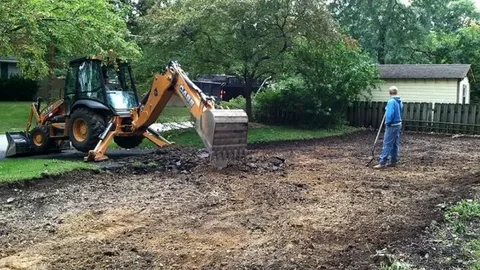
Grading is the process of shaping and leveling land to create a stable surface for construction, drainage, and landscaping. It plays a major role in controlling how water moves across a property and how stable a structure will be over time. In a growing region like Florence, Kentucky, grading is especially important because the natural land surface often includes gentle slopes, clay-rich soil, and areas that collect water during rainfall.
In simple terms, grading means adjusting the ground so it performs better for human use. This may include:
- Raising low areas to prevent flooding
- Lowering high points to create balance
- Sloping land away from buildings
- Preparing soil for construction foundations
Without proper grading, even well-built structures can face drainage issues and long-term stability problems.
Understanding How Grading Works in Land Preparation
Grading is typically done before construction begins, but it can also be used to fix existing drainage or erosion issues. The goal is to create a controlled surface where water flows in a predictable direction instead of pooling around structures.
The process usually involves:
- Surveying the land to understand natural slopes
- Removing or adding soil to reshape the surface
- Compacting soil to increase stability
- Creating proper slope angles for water runoff
These steps help ensure that buildings, roads, and landscapes remain safe and functional over time.
Importance of Soil Conditions in Florence, KY
The soil in Florence, Kentucky can vary, but it often contains clay and silt that retain water. This makes grading even more important because poorly drained soil can lead to foundation pressure and surface flooding.
Common soil-related challenges include:
- Water retention leading to soggy ground
- Expansion and contraction of clay soil
- Reduced stability for building foundations
- Increased risk of erosion during heavy rain
Proper grading helps manage these challenges by controlling water flow and improving soil compaction.
How Grading Helps with Drainage Control
One of the most important functions of grading is improving drainage. Water naturally flows downhill, and grading ensures it moves away from buildings instead of toward them. Without proper slope design, water can accumulate and cause long-term damage.
Effective drainage grading usually includes:
- Sloping soil away from foundations
- Creating channels for water flow
- Installing swales or shallow ditches
- Directing runoff toward safe drainage areas
These techniques reduce the risk of basement flooding, soil erosion, and surface water buildup.
Types of Grading Used in Construction Projects
Different types of grading are used depending on the purpose of the project and the condition of the land. Each type serves a specific role in preparing the site.
Common grading types include:
- Rough grading: Initial shaping of large land areas
- Finish grading: Fine leveling for landscaping or construction
- Regrading: Adjusting existing land for better drainage
- Backfilling: Filling holes or low areas after construction
Each type ensures that the land is suitable for safe and long-lasting development.
Relationship Between Grading and Erosion Control
Erosion is the gradual removal of soil caused by water, wind, or gravity. In areas like Florence, KY, rainfall can increase the risk of erosion if land is not properly graded. When soil moves away from its original position, it can damage landscapes and weaken foundations.
Grading helps prevent erosion by:
- Controlling water speed across surfaces
- Stabilizing soil with proper compaction
- Redirecting runoff away from loose soil
- Supporting vegetation growth that holds soil in place
These measures protect both natural landscapes and built environments.
Grading and Its Role in Construction Stability
A strong foundation depends on properly prepared ground. If land is uneven or unstable, buildings may experience shifting, cracking, or sinking over time. Grading ensures that the base of a structure is level and capable of supporting weight evenly.
Key stability benefits include:
- Even load distribution across foundations
- Reduced risk of structural movement
- Improved support for driveways and walkways
- Longer lifespan of construction materials
This makes grading one of the most important early steps in any building project.
Environmental Impact of Proper Grading
Grading not only supports construction but also helps protect the environment. When land is shaped correctly, it reduces water pollution and supports healthier ecosystems by controlling runoff patterns.
Environmental benefits include:
- Reduced sediment flow into rivers and streams
- Better groundwater absorption
- Protection of nearby vegetation
- Lower risk of flooding in surrounding areas
These benefits make grading an essential part of sustainable land development.
Challenges in Grading Projects
While grading is highly beneficial, it also comes with challenges depending on land conditions and weather patterns. Uneven terrain and unpredictable soil behavior can make the process more complex.
Common challenges include:
- Rocky or hard soil layers
- Excess moisture during rainy seasons
- Steep slopes requiring careful shaping
- Limited space in urban developments
Proper planning and analysis are necessary to overcome these issues effectively.
Long-Term Importance of Maintenance After Grading
Even after grading is completed, land can change over time due to weather and natural settling. Regular maintenance helps ensure that drainage systems continue to function properly.
Maintenance activities may include:
- Checking for soil erosion or shifting
- Clearing blocked drainage channels
- Re-leveling uneven surfaces
- Monitoring water flow after heavy rainfall
These steps help preserve the effectiveness of grading for many years.
Conclusion
Grading is a fundamental process in land development that ensures stability, proper drainage, and long-term safety of structures. In regions like Florence, Kentucky, where soil conditions and rainfall can affect land behavior, grading becomes even more important. By shaping the land correctly, controlling water flow, and preventing erosion, grading supports both construction and environmental health in a balanced way.
FAQs
1. What is grading in land development?
Grading is the process of leveling and shaping land to prepare it for construction, drainage, and landscaping.
2. Why is grading important in Florence, KY?
Because the area has clay soil and rainfall, grading helps control water flow and prevents flooding and soil erosion.
3. What problems can happen without proper grading?
Without grading, properties may experience water pooling, foundation damage, erosion, and uneven surfaces.
4. Is grading only used for construction projects?
No, grading is also used for landscaping, drainage improvement, road building, and erosion control.
5. How does grading help with drainage?
Grading creates slopes and channels that direct water away from buildings and toward safe drainage areas.

 Czech
Czech
 English
 Arabic
 French
 Spanish
 Portuguese
 Deutsch
 Turkish
 Dutch
Dutch
 Russian
 Romaian
 Portuguese (Brazil)
 Greek
Greek