


 About SPORTIVO Network
How Recovery Optimization and Mental Focus Are Supported by Acupuncture for Sports Performance
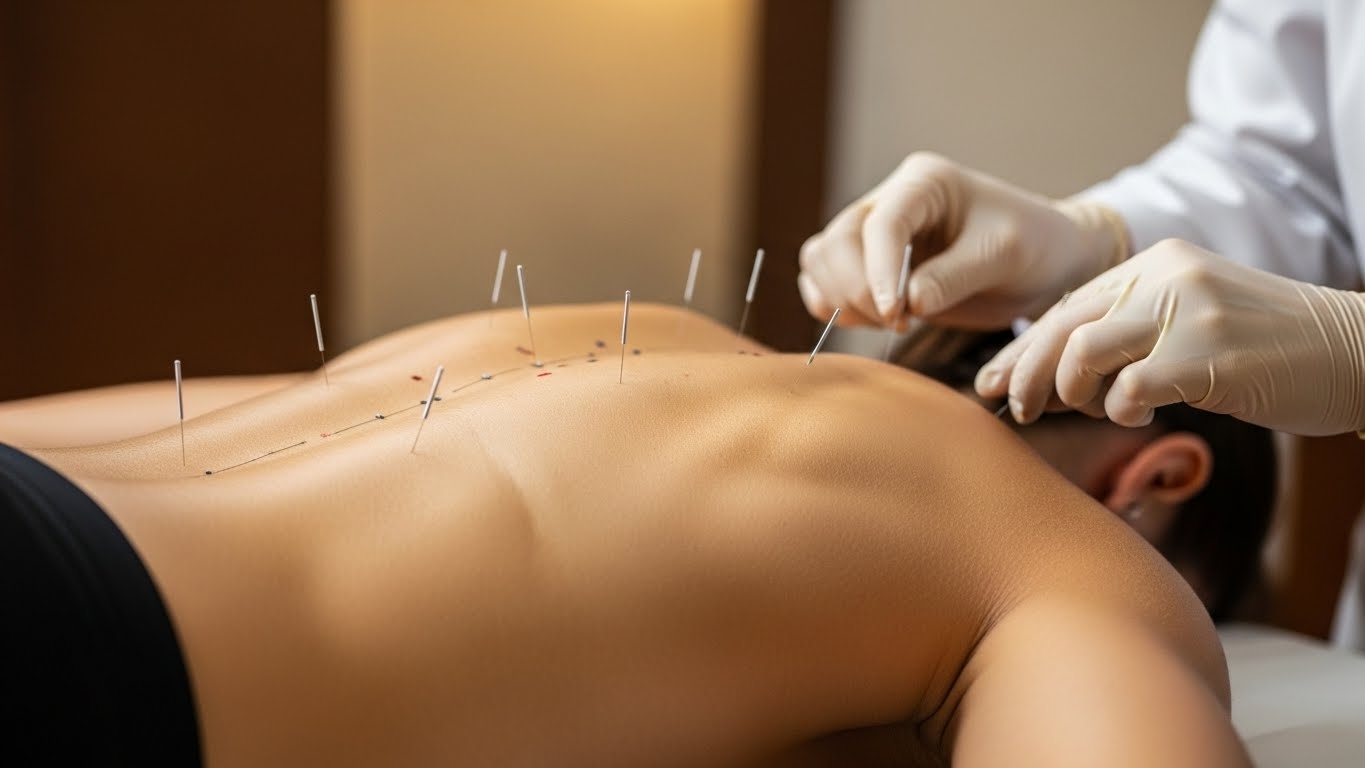
Elite athletic performance represents far more than physical capabilities alone. While strength, speed, endurance, and technical skill form the foundation of athletic excellence, the ability to consistently perform under pressure, maintain mental clarity during competition, and recover optimally between training sessions increasingly determines success at the highest levels. As sports science advances beyond traditional physical training paradigms, acupuncture for sports performance has gained recognition as a comprehensive intervention that simultaneously addresses physical recovery, psychological resilience, and neurological function—the integrated systems that separate good athletes from exceptional performers who consistently execute at their peak potential when it matters most.
The Multidimensional Nature of Athletic Performance
Modern understanding of sports performance acknowledges that physical training represents only one component of a complex system. Neurological efficiency determines how effectively the nervous system recruits muscle fibers, coordinates movement patterns, and processes sensory information. Psychological factors including confidence, focus, anxiety management, and motivation profoundly influence competitive outcomes, often distinguishing winners from runners-up with similar physical capabilities.
Recovery capacity fundamentally limits training adaptation. Athletes who recover faster between sessions can sustain higher training volumes and intensities, accumulating greater total stimulus for improvement. Conversely, inadequate recovery creates accumulated fatigue that impairs performance, increases injury risk, and potentially leads to overtraining syndrome—a state of chronic performance decrement accompanied by hormonal, immunological, and psychological dysfunction.
Research published in Journal of Sports Sciences demonstrates that elite athletes consistently outperform sub-elite competitors not primarily through superior physical attributes but through better recovery management, enhanced focus under pressure, and optimized nervous system function. These characteristics prove responsive to intervention through acupuncture for sports performance, creating opportunities for meaningful competitive advantages.
Physical Recovery Optimization Mechanisms
At the physiological level, acupuncture enhances recovery through multiple documented pathways. The treatment significantly increases blood flow to skeletal muscles, with Doppler ultrasound studies demonstrating 30-40% improvements in microcirculation following acupuncture sessions. Enhanced circulation accelerates removal of metabolic waste products—including lactate, hydrogen ions, and inflammatory mediators—that accumulate during intense training and impair subsequent performance.
Muscle damage from training triggers inflammatory cascades necessary for adaptation but excessive inflammation prolongs recovery and increases soreness. Studies measuring inflammatory biomarkers show that acupuncture for sports performance significantly reduces circulating levels of pro-inflammatory cytokines including interleukin-6 and tumor necrosis factor-alpha following intense exercise. This modulation preserves beneficial inflammatory signaling while preventing excessive responses that delay recovery.
Hormonal optimization represents another critical recovery mechanism. The hypothalamic-pituitary-adrenal axis governs stress hormone production, with cortisol playing complex roles in athletic performance. Appropriate cortisol patterns support energy mobilization and alertness, but chronically elevated levels from intensive training impair recovery, suppress immune function, and interfere with tissue repair. Research demonstrates that acupuncture normalizes diurnal cortisol rhythms, reducing excessive elevation while maintaining appropriate patterns that support performance.
Growth hormone and testosterone—anabolic hormones supporting muscle growth and recovery—demonstrate favorable responses to acupuncture intervention. Studies tracking hormone levels in athletes receiving regular treatments document improved testosterone-to-cortisol ratios, indicating enhanced anabolic-catabolic balance favorable for recovery and adaptation.
Sleep quality profoundly impacts recovery, as growth hormone release and tissue regeneration occur primarily during deep sleep stages. Athletes frequently experience sleep disturbances from travel, competition anxiety, or training stress. Research published in Sleep Medicine demonstrates that acupuncture significantly improves sleep quality metrics including total sleep time, sleep efficiency, and slow-wave sleep duration. These improvements translate to enhanced recovery and subsequent performance.
Neurological Efficiency and Motor Control
Athletic performance depends fundamentally on the nervous system's ability to coordinate complex movement patterns with precision and efficiency. Motor unit recruitment, muscle firing sequences, proprioceptive accuracy, and reaction time all involve neurological processes that acupuncture can influence.
Studies using electromyography demonstrate that acupuncture for sports performance enhances motor unit synchronization—the coordinated firing of multiple motor neurons that generates powerful, efficient contractions. Athletes receiving acupuncture show improved ability to recruit high-threshold motor units associated with maximal force production, potentially enhancing power output in explosive movements.
Proprioception—the body's sense of position and movement—proves critical for athletic skill execution, injury prevention, and efficient movement patterns. Muscle fatigue, previous injuries, and training stress can impair proprioceptive acuity. Research using joint position sense testing and balance assessments documents that acupuncture improves proprioceptive function, with effects lasting several days post-treatment. Enhanced proprioception supports technical skill execution and reduces injury risk through better movement control.
Neuromuscular coordination—the timing and sequencing of muscle activations during complex movements—improves following acupuncture intervention. Studies examining throwing athletes document enhanced coordination patterns between shoulder muscles after acupuncture treatment, with improved co-contraction ratios that optimize joint stability while maintaining movement speed.
Central nervous system processing speed influences reaction time and decision-making during competition. While research in this area remains emerging, preliminary studies suggest that acupuncture may enhance neural conduction velocity and processing speed through effects on neurotransmitter systems and cerebral blood flow.
Mental Focus and Cognitive Performance Enhancement
The psychological demands of competitive athletics require sustained concentration, rapid decision-making under pressure, emotional regulation, and maintenance of optimal arousal levels. Acupuncture for sports performance addresses these cognitive and psychological factors through documented effects on brain function and neurotransmitter systems.
Attention and focus improve following acupuncture treatment. Studies using continuous performance tasks and attention network tests document enhanced sustained attention and reduced distractibility in individuals receiving acupuncture. Functional MRI research reveals that acupuncture modulates activity in prefrontal cortical regions involved in attention control and executive function, potentially explaining these cognitive improvements.
The ability to maintain focus during prolonged competitions or training sessions—mental stamina—proves particularly important in endurance sports and extended tournaments. Research indicates that acupuncture reduces mental fatigue, allowing athletes to sustain concentration and decision-making quality longer into competitions. Athletes report feeling more mentally alert and less cognitively fatigued following acupuncture sessions.
Anxiety management represents another critical psychological component. Pre-competition anxiety can impair performance through muscle tension, disrupted focus, and suboptimal arousal levels. Studies consistently demonstrate that acupuncture significantly reduces anxiety symptoms through effects on the limbic system and neurotransmitter balance. Research published in Journal of Alternative and Complementary Medicine showed that athletes receiving acupuncture before competitions reported 40% lower anxiety scores compared to baseline levels, with improvements in subjective performance ratings.
Optimal arousal theory suggests that peak performance occurs at moderate arousal levels, with both excessive anxiety and insufficient activation impairing outcomes. Acupuncture for sports performance appears to promote this optimal middle zone, reducing excessive anxiety in overly aroused athletes while enhancing alertness in under-aroused individuals. This bidirectional regulation reflects acupuncture's homeostatic effects rather than simply sedating or stimulating effects.
Confidence and self-efficacy—beliefs about one's capabilities—strongly predict athletic performance. While acupuncture cannot directly create confidence, the treatment's effects on anxiety reduction, pain management, and perceived recovery may indirectly support self-efficacy by helping athletes feel physically and mentally prepared for competition.
Stress Response and Autonomic Balance
The autonomic nervous system governs unconscious physiological functions including heart rate, blood pressure, digestion, and stress responses. Optimal athletic performance requires flexible autonomic regulation—the ability to activate sympathetic responses during competition while shifting to parasympathetic recovery states afterward.
Many athletes develop chronic sympathetic dominance from intensive training and competition stress, remaining in elevated arousal states that impair recovery and increase injury risk. Heart rate variability studies—measuring beat-to-beat variations as indicators of autonomic flexibility—demonstrate that athletes often show reduced HRV reflecting compromised autonomic balance.
Acupuncture for sports performance demonstrably improves autonomic function. Research measuring HRV before and after acupuncture sessions documents immediate increases in parasympathetic activity and improved overall autonomic balance. Studies tracking athletes receiving regular acupuncture over training seasons show progressive improvements in resting HRV, suggesting enhanced recovery capacity and stress resilience.
The vagus nerve—primary parasympathetic nerve—plays central roles in recovery, inflammation control, and psychological wellbeing. Acupuncture activates vagal pathways, promoting the "rest and digest" state conducive to recovery. Enhanced vagal tone correlates with better emotional regulation, reduced anxiety, and improved physical recovery—all supporting optimal performance.
Pre-Competition Preparation Protocols
Strategic timing of acupuncture treatments maximizes performance benefits. Pre-competition protocols typically occur 2-4 hours before events, targeting specific performance objectives including anxiety reduction without excessive sedation, muscle relaxation reducing pre-competition tension, enhanced focus and mental clarity, and optimal arousal level establishment.
Point selection emphasizes calming and focusing effects while avoiding excessive sedation. Ear acupuncture points including Shenmen and Point Zero provide anxiolytic effects without drowsiness. Body points like GV20 (Baihui) at the crown enhance mental clarity, while PC6 (Neiguan) reduces anxiety and promotes calm alertness. Yin Tang between the eyebrows produces centering effects valued by many athletes.
Treatment intensity remains gentle, using fewer needles with minimal stimulation to avoid fatigue. Sessions typically last 20-30 minutes, providing sufficient nervous system influence without excessive time away from pre-competition preparation routines.
Athletes report feeling mentally calm yet physically energized following pre-competition acupuncture, describing enhanced body awareness and confidence. While individual responses vary, most performers develop protocols through experimentation during training competitions before implementing approaches during important events.
Post-Competition Recovery Applications
Immediately following competitions, physiological demands shift toward recovery and repair. Post-event acupuncture for sports performance focuses on accelerating recovery processes including metabolic waste removal, inflammation modulation, nervous system restoration, and psychological decompression after competitive stress.
Protocols incorporate points promoting parasympathetic activation and recovery. LI4 (Hegu), LI11 (Quchi), ST36 (Zusanli), and SP6 (Sanyinjiao) form commonly used combinations supporting general recovery. Local points address specific muscle groups heavily recruited during competition, promoting circulation and reducing post-exercise soreness.
Electroacupuncture at low frequencies (2-10 Hz) enhances recovery effects, promoting endorphin release for pain management and improving local blood flow for metabolite clearance. Treatment duration typically extends to 30-40 minutes post-competition, allowing deeper relaxation and recovery processes to develop.
Athletes receiving post-competition acupuncture report reduced muscle soreness, better sleep quality the night following competition, and faster return to baseline energy levels compared to competitions without treatment. These subjective reports align with objective measures showing accelerated lactate clearance and reduced inflammatory markers.
Training Season Periodization Integration
Optimal integration of acupuncture for sports performance requires alignment with training periodization—the systematic variation of training volume, intensity, and specificity throughout competitive seasons. Treatment approaches adapt to different training phases supporting distinct objectives.
During base training phases emphasizing volume accumulation, acupuncture supports recovery between high-volume sessions, helping athletes tolerate increased training loads without excessive fatigue or injury. Weekly or twice-weekly sessions during these periods maintain recovery capacity.
Intensification phases involving high-intensity training benefit from acupuncture's recovery acceleration and injury prevention effects. As training stress increases, treatment frequency may increase to 2-3 sessions weekly, supporting tissue adaptation to increased demands.
Taper periods before major competitions require reduced training volume to allow accumulated fatigue dissipation while maintaining fitness. Acupuncture during tapers focuses on maintaining recovery, managing residual soreness, and optimizing psychological readiness. Treatment frequency typically reduces to once weekly, avoiding excessive intervention during this sensitive period.
Competition phases benefit from strategic pre- and post-event treatments as described previously, with frequency depending on competition schedules. Tournament situations may involve daily brief treatments supporting repeated performances.
Off-season recovery periods provide opportunities for addressing accumulated minor injuries and resetting nervous system balance after competitive stress. Less frequent maintenance treatments (biweekly or monthly) support general wellness and preparation for upcoming training cycles.
Individual Response Variability and Protocol Customization
Athletic populations demonstrate considerable response variability to acupuncture interventions. Factors influencing individual responses include previous acupuncture experience and expectations, sport type and position-specific demands, training status and current fatigue levels, psychological factors and stress resilience, and genetic factors affecting nervous system sensitivity.
Effective practitioners conduct thorough assessments establishing baseline measures of relevant performance factors—recovery metrics, psychological states, pain levels, and functional capacities—before designing individualized protocols. Ongoing monitoring tracks responses, allowing protocol refinement based on observed outcomes.
Some athletes respond dramatically to minimal intervention, while others require more intensive protocols producing measurable benefits. This variability necessitates flexible, patient-centered approaches rather than rigid standardized protocols. Communication between practitioners, athletes, and coaching staffs ensures coordinated care addressing specific performance objectives.
Integration with Comprehensive Performance Programs
Acupuncture for sports performance achieves maximal effects within comprehensive programs addressing all performance determinants. Nutritional optimization supporting energy availability, recovery, and body composition goals provides essential foundation. Sleep hygiene and recovery practices including consistent schedules and environmental optimization remain fundamental. Psychological skills training encompassing visualization, self-talk, and arousal management complements acupuncture's cognitive effects. And strength, conditioning, and technical training develop physical capacities and sport-specific skills.
Progressive sports organizations integrate acupuncture within multidisciplinary performance teams including coaches, sports scientists, nutritionists, psychologists, and medical providers. This coordination ensures complementary rather than conflicting interventions, maximizing cumulative benefits while avoiding overtreatment that might impair training adaptations.
Evidence from Elite Athletic Populations
Professional teams and Olympic programs increasingly employ acupuncturists, reflecting growing recognition of performance benefits. While controlled research in elite populations faces methodological challenges, accumulating evidence supports efficacy.
Case series from national team programs document consistent findings including reduced injury rates during intensive training periods, faster recovery between competitions in tournament settings, improved sleep quality during travel and competition, and athlete-reported improvements in focus and confidence.
Olympic training center data suggests that athletes incorporating regular acupuncture demonstrate better training consistency and reduced illness rates compared to historical controls, though confounding factors prevent definitive causal conclusions.
Conclusion
The support that recovery optimization and mental focus receive from acupuncture for sports performance reflects sophisticated integration of physiological, neurological, and psychological mechanisms. By simultaneously enhancing physical recovery processes, optimizing nervous system function, and supporting mental clarity and emotional regulation, acupuncture addresses the multidimensional requirements of elite athletic performance. The growing evidence base documenting these effects, combined with widespread adoption among high-level athletes and sports organizations, establishes acupuncture as a valuable tool for athletes seeking comprehensive approaches to competitive excellence that extend beyond traditional physical training to encompass recovery, cognition, and psychological resilience—the integrated systems determining consistent peak performance.

 Czech
Czech
 Arabic
 French
 Spanish
 Portuguese
 Deutsch
 Turkish
 Dutch
Dutch
 Italiano
 Russian
 Romaian
 Portuguese (Brazil)
 Greek
Greek