


 About SPORTIVO Network
What Is Inside Chromium Cast Iron Structure?
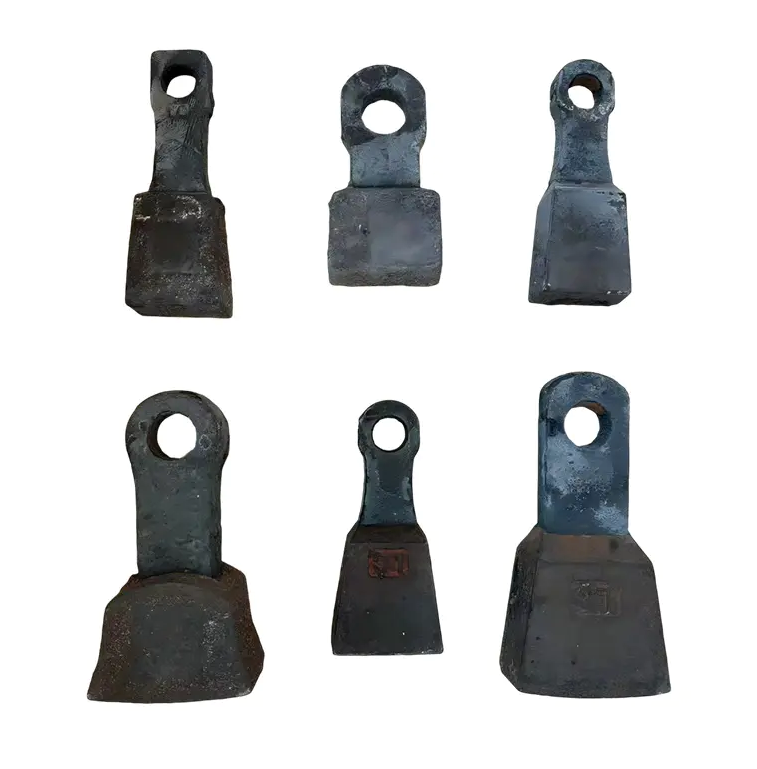
The wear resistance of High Chromium Cast Iron Fittings is fundamentally driven by the formation of chromium-rich carbides and their interaction with the metallic matrix. Chromium plays a critical role in stabilizing hard phases that resist abrasion, erosion, and surface fatigue.
In metallurgical terms, chromium combines with carbon to form M7C3 carbides, which are significantly harder than the surrounding iron matrix. These carbides create a rigid internal framework that resists penetration by abrasive particles. Hardness values of these carbides can reach HV 1800–2200, depending on composition and cooling conditions.
The volume fraction of carbides is a key factor. Typical high chromium cast irons contain 25%–45% carbide volume fraction, which directly correlates with wear resistance. Higher carbide content improves abrasion resistance but requires careful balancing to avoid excessive brittleness.
The surrounding matrix is equally important. It is usually martensitic or austenitic–martensitic, formed during controlled cooling. This phase provides toughness and prevents sudden fracture under impact. Without a supportive matrix, carbide networks would fail under mechanical stress.
Chromium also enhances corrosion resistance by forming a thin, stable Cr2O3 oxide layer on exposed surfaces. This passive film slows down oxidation and chemical attack, especially in wet slurry environments.
During service, wear occurs through multiple mechanisms:
Micro-cutting by sharp particles
Fatigue cracking at carbide boundaries
Erosion caused by fluid-particle impact
Carbides act as protective barriers against micro-cutting, forcing abrasive particles to change direction or fracture. This reduces direct material removal from the matrix.
Heat treatment further improves performance. At temperatures around 900–980°C, carbide destabilization occurs, followed by precipitation of fine secondary carbides during cooling. These secondary phases increase matrix hardness and reduce wear rate under sliding conditions.
Alloying additions such as molybdenum and nickel refine carbide structure. Molybdenum improves high-temperature stability, while nickel enhances toughness and reduces crack propagation risk.
In industrial systems, these mechanisms are especially important in slurry pumps, crusher liners, and pipeline elbows. In such applications, particle velocity and repeated impact determine service life more than static load conditions.
Design optimization also contributes to performance. Geometry affects stress distribution; smoother flow paths reduce turbulence, thereby lowering localized wear rates. However, even in optimized designs, material selection remains the primary factor for durability.
Conclusion
Chromium improves wear resistance by forming hard carbide structures and stabilizing the microstructure. This combination of hardness, toughness, and corrosion resistance defines the performance of High Chromium Cast Iron Fittings in demanding industrial environments.

 Czech
Czech
 English
 Arabic
 French
 Spanish
 Portuguese
 Deutsch
 Turkish
 Dutch
Dutch
 Italiano
 Romaian
 Portuguese (Brazil)
 Greek
Greek