


 About SPORTIVO Network
Can Tools Speed Up Tile Installation?
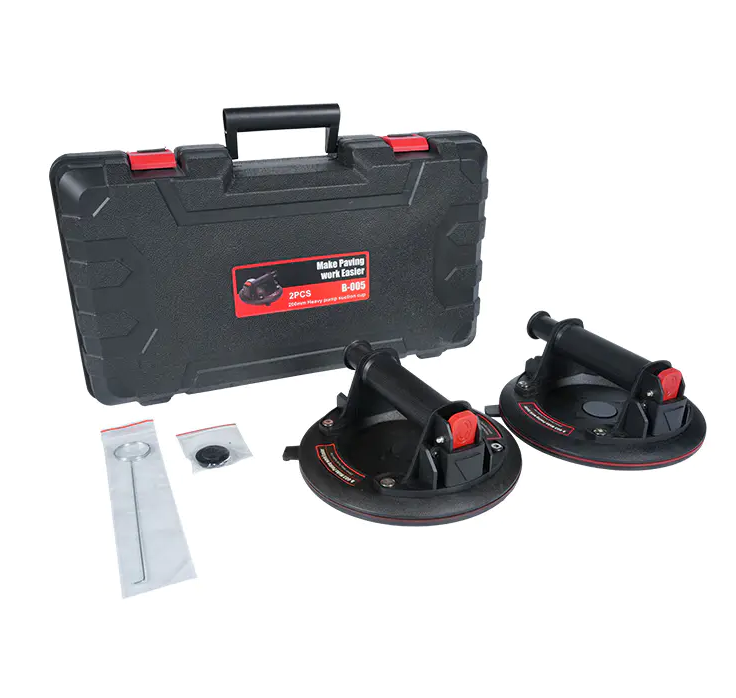
Tile installation efficiency depends on workflow structure, tool selection, and material handling methods. Modern construction projects require faster completion times without compromising surface quality. As a result, tool systems have evolved to support faster cutting, more accurate alignment, and improved adhesive control.
A professional Tiling Tools Manufacturer develops integrated tool solutions that support each stage of installation, from surface preparation to final finishing.
Preparation and Layout Efficiency
Before tile installation begins, layout accuracy determines the final result. Laser levels and measuring tools are commonly used to create reference lines.
Laser level specifications:
Accuracy: ±1.5 mm per 5 m
Working distance: up to 30 m
Laser class: Class 2
Beam type: cross-line or rotary
Straight edges and marking tools help ensure consistent tile positioning across large surfaces.
Cutting Process Optimization
Tile cutting speed and accuracy directly influence project timelines.
Manual cutters typically feature:
Cutting length range: 600–1200 mm
Scoring wheel diameter: 14–22 mm
Rail system: dual rail with ball bearing carriage
Cutting thickness: up to 15 mm
Electric wet saw systems further improve efficiency for dense porcelain materials. Continuous water flow reduces dust and blade wear while maintaining smooth edges.
A Tiling Tools Manufacturer improves handle ergonomics and rail stability to reduce operator fatigue during repetitive cutting tasks.
Adhesive Application Control
Adhesive spreading tools influence bonding quality and installation speed.
Notched trowel specifications:
Notch depth: 6 mm to 12 mm
Blade thickness: 0.8–1.0 mm
Handle grip: anti-slip TPR material
Proper adhesive combing ensures consistent ridge formation and reduces rework caused by voids beneath tiles.
Back buttering tools such as margin trowels help apply adhesive to tile backs for larger formats, improving bonding consistency.
Leveling Systems and Surface Accuracy
Tile leveling systems improve flatness across large installations.
Standard components include:
Clip thickness: 1.0–2.0 mm
Wedge insertion force: controlled manual pressure
Break-off point: below grout line after curing
These systems reduce height differences between adjacent tiles, resulting in smoother floor surfaces.
Grouting and Finishing Tools
After tile placement, finishing tools ensure clean surfaces.
Rubber floats:
Base size: 240×100 mm
Hardness: 60–70 Shore A
Sponges:
High-density cellulose
Water retention optimized for grout removal
Proper finishing reduces surface residue and improves aesthetic consistency.
Workflow Integration Benefits
When tools are designed as part of a complete system, installation becomes more structured. Contractors can move from cutting to placement to finishing without unnecessary delays.
A Tiling Tools Manufacturer often supplies coordinated tool kits that include cutters, trowels, spacers, leveling systems, and finishing tools designed to work together.
Industry Direction
Construction projects continue to demand faster completion cycles. Tool innovation is focused on reducing manual effort, increasing accuracy, and improving repeatability across large surface installations.
Efficient tiling workflows depend on combining correct tool selection with proper technique, ensuring consistent results across residential, commercial, and infrastructure projects.

 Czech
Czech
 Arabic
 French
 Spanish
 Portuguese
 Deutsch
 Turkish
 Dutch
Dutch
 Italiano
 Russian
 Romaian
 Portuguese (Brazil)
 Greek
Greek