


 About SPORTIVO Network
What Is the Step-by-Step Process of Installing Gutters?
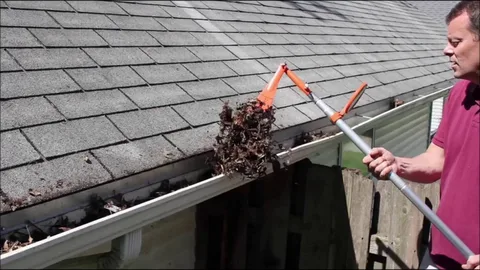
Installing gutters is one of the most important steps in protecting a home from water damage. A properly installed gutter system directs rainwater away from the roof, walls, and foundation, preventing costly structural issues. Whether you are replacing old gutters or installing a new system, understanding the process helps you make better decisions and avoid common mistakes.
For homeowners in Gallup, where seasonal rains and sudden storms can create drainage challenges, a well-installed gutter system is essential for long-term home protection. Below is a clear, step-by-step explanation of how professional gutter installation works.
Step 1: Inspect and Measure the Roofline
The first step in gutter installation is a detailed inspection and measurement of the roofline. Accurate measurements ensure that the gutters fit perfectly and provide proper drainage.
Installers measure all edges of the roof where gutters will be placed. They also evaluate roof slope, water flow direction, and existing drainage patterns. This step helps determine the correct gutter size, downspout placement, and total material required.
Proper planning at this stage prevents water pooling and reduces future maintenance issues.
Step 2: Choose the Right Gutter Material
Selecting the right material is crucial for durability and performance. Different materials offer different levels of strength, cost, and maintenance requirements.
Common gutter materials include:
- Aluminum (lightweight and rust-resistant)
- Vinyl (affordable and easy to install)
- Steel (strong but may rust over time)
- Copper (long-lasting and premium appearance)
In areas like Gallup, NM, where weather conditions can vary, aluminum gutters are often preferred due to their balance of durability and affordability. The material choice directly affects the lifespan of your gutter system.
Step 3: Plan the Slope for Proper Drainage
Gutters must be installed with a slight slope to ensure water flows toward the downspouts. Without the correct slope, water can pool and cause overflow or damage.
Installers typically maintain a slope of about 1/4 inch for every 10 feet of gutter. This subtle angle is carefully marked using chalk lines or laser levels.
Even a small mistake in slope alignment can lead to standing water, sagging gutters, or overflow during heavy rain.
Step 4: Install Fascia Brackets or Hangers
Once measurements and slope are marked, the next step is installing brackets or hangers that will support the gutters. These are attached to the fascia board along the roof edge.
Brackets are spaced evenly, usually every 2 to 3 feet, to ensure stability. Proper spacing is important because gutters filled with rainwater can become heavy.
Strong, well-secured hangers prevent sagging and ensure the gutter system remains stable during storms and high winds.
Step 5: Cut and Assemble Gutter Sections
After the support system is in place, gutter sections are cut to match the measured lengths. Precision is important to ensure a seamless fit along the roofline.
Installers connect sections using sealants, connectors, or seamless gutter machines (for aluminum systems). Joints must be tightly sealed to prevent leaks.
This stage also includes attaching end caps and preparing openings for downspouts.
Step 6: Install Downspouts for Water Direction
Downspouts are vertical pipes that carry water from the gutters down to the ground or drainage system. Their placement is critical for effective water control.
Installers position downspouts at strategic points where water naturally flows. Elbows and connectors are used to guide water away from the house foundation.
Without properly placed downspouts, water can pool around the home and cause foundation damage over time.
Step 7: Secure and Seal All Connections
Once gutters and downspouts are in place, all joints and connections are sealed to prevent leaks. High-quality waterproof sealant is applied at every connection point.
Installers also check for tight fittings, alignment, and structural stability. This step ensures that the entire system functions as a single, leak-free unit.
Proper sealing is especially important in regions like Gallup, NM, where sudden rainfall can test the system’s strength.
Step 8: Perform Water Testing
After installation, a water test is performed to ensure everything works correctly. Water is run through the system to check flow direction, drainage speed, and leak points.
Installers observe how water moves through gutters and downspouts. Any issues such as overflow, slow drainage, or leaks are corrected immediately. This final test ensures the system is fully functional before the job is completed.
Step 9: Final Inspection and Cleanup
The final step includes a thorough inspection of the entire installation. Installers check slope accuracy, bracket stability, sealing quality, and downspout placement.
They also clean up debris, metal shavings, and old materials from the work area. A clean finish ensures the property is safe and visually appealing.
Homeowners are usually given maintenance tips to help extend the life of their gutter system.
Why Proper Gutter Installation Matters
A correctly installed gutter system protects your home from water damage in multiple ways. It prevents roof leaks, protects siding, and keeps the foundation stable by directing water away from the structure.
Inconsistent or poorly installed gutters can lead to expensive repairs, including foundation cracks, basement flooding, and roof deterioration. Investing in proper installation saves money in the long run.
Maintenance Tips After Installation
Even a well-installed gutter system requires regular maintenance to function properly. Simple upkeep can extend its lifespan significantly.
Recommended maintenance includes:
- Cleaning gutters twice a year
- Removing leaves and debris
- Checking for leaks or sagging
- Ensuring downspouts are clear
- Inspecting after heavy storms
These steps help prevent blockages and keep water flowing smoothly.
Conclusion
Installing gutters is a detailed process that requires careful planning, precise measurement, and proper execution. From selecting materials to testing water flow, each step plays an important role in protecting your home from water damage.
For homeowners in Gallup, where weather conditions can change quickly, a well-installed gutter system is especially important. With proper installation and regular maintenance, your gutters can protect your home for many years.
FAQs
1. How long does it take to install gutters?
Most gutter installations take one day, depending on the size of the home and complexity of the roofline.
2. What is the best material for gutters?
Aluminum is the most commonly used material because it is lightweight, rust-resistant, and cost-effective.
3. Why is gutter slope important?
A proper slope ensures water flows toward downspouts instead of pooling in the gutters.
4. How often should gutters be cleaned?
Gutters should be cleaned at least twice a year, especially before and after heavy storm seasons.
5. What happens if gutters are installed incorrectly?
Improper installation can cause leaks, overflow, foundation damage, and expensive structural repairs.

 Czech
Czech
 English
 Arabic
 French
 Spanish
 Portuguese
 Deutsch
 Turkish
 Italiano
 Russian
 Romaian
 Portuguese (Brazil)
 Greek
Greek