


 About SPORTIVO Network
Why Plasma Cut Quality Changes?
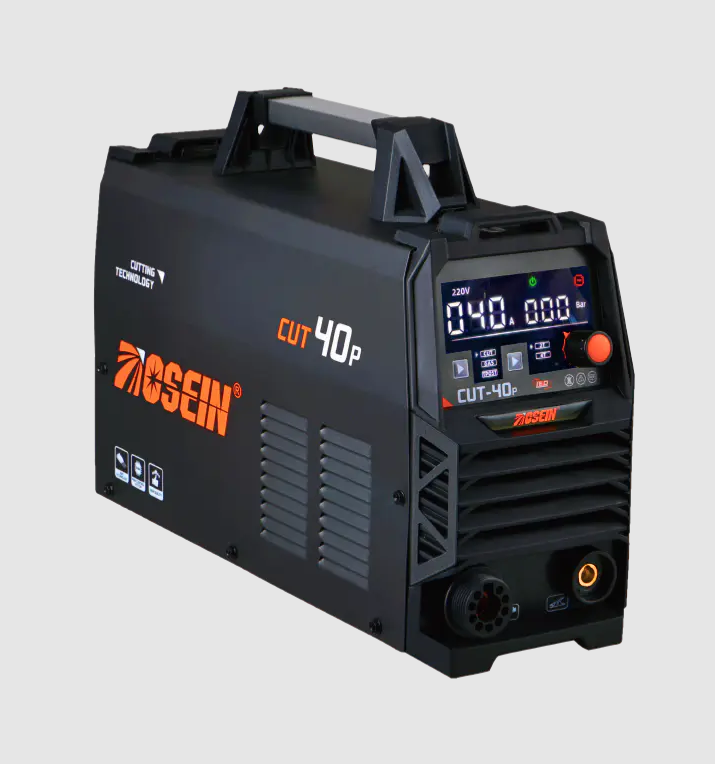
Stable cutting performance depends not only on machine design but also on routine maintenance and correct operating practices. Even advanced equipment can experience reduced cut quality if consumables, compressed air systems, or torch components are neglected. A properly maintained Non-Touch Plasma Cutting Machine delivers more consistent results and helps reduce unexpected production interruptions.
Plasma cutting uses a focused stream of ionized gas to melt and remove conductive metals. Modern non-contact pilot arc systems initiate the arc without direct workpiece contact, reducing mechanical wear during repeated starts. Stable arc formation contributes to smoother cutting operations.
Daily inspections should begin with the torch assembly. Operators should check:
Electrode condition
Nozzle opening
Shield cap cleanliness
Swirl ring integrity
Torch cable connections
Damaged consumables may cause arc wandering, excessive bevel angles, or rough cut surfaces. Replacing worn components before complete failure helps maintain stable cutting conditions.
A Non-Touch Plasma Cutting Machine requires clean compressed air. Moisture, oil vapor, and dust contamination can negatively affect plasma arc stability. Recommended air preparation equipment includes:
Water separator
Particulate filter
Refrigerated air dryer
Pressure regulator
Typical operating air pressure ranges between 0.5 and 0.7 MPa depending on machine specifications.
Torch height adjustment also affects cut quality. Excessive stand-off distance may increase kerf width and bevel angle, while insufficient clearance can damage the nozzle through accidental contact with molten material.
Common cutting defects include:
Heavy bottom dross:
Possible causes:
Cutting speed too low.
Excessive current.
Incorrect torch height.
Upper edge dross:
Possible causes:
Cutting speed too high.
Air pressure instability.
Excessive bevel:
Possible causes:
Worn nozzle.
Incorrect torch alignment.
Improper torch height.
Incomplete penetration:
Possible causes:
Material too thick.
Insufficient output current.
Contaminated air supply.
A Non-Touch Plasma Cutting Machine operating in CNC environments should also receive periodic mechanical inspections. Linear guide rails should remain clean and lubricated. Drive gears and rack systems should be checked for excessive wear.
Electrical connections deserve attention as well. Loose terminals may create unstable current delivery, affecting arc performance. Cooling fans should remain free of dust accumulation to maintain proper inverter temperatures.
Torch Height Control calibration is another maintenance task. Arc voltage feedback determines torch positioning during cutting. Incorrect calibration can increase consumable wear and reduce dimensional accuracy.
Recommended maintenance intervals often include:
Daily:
Clean torch.
Check consumables.
Drain air filters.
Weekly:
Inspect cables.
Verify gas pressure.
Clean guide rails.
Monthly:
Check electrical terminals.
Inspect cooling system.
Test THC calibration.
Quarterly:
Inspect drive systems.
Verify CNC positioning accuracy.
Replace heavily worn components.
Operator training contributes significantly to machine longevity. Proper pierce heights, cutting speeds, and amperage settings reduce unnecessary stress on consumables and torch assemblies.
Material preparation also matters. Rust, heavy paint coatings, grease, and excessive surface contamination can influence arc stability and increase smoke generation during cutting.
Modern fabrication facilities often integrate preventive maintenance schedules into digital production management systems. This approach allows servicing to occur during planned downtime rather than after unexpected failures.
A well-maintained Non-Touch Plasma Cutting Machine combines reliable pilot arc ignition, consistent cut quality, extended consumable life, and predictable production performance. Regular inspections and proper operating procedures help fabrication shops maintain steady output while reducing avoidable maintenance expenses.

 Czech
Czech
 Arabic
 French
 Spanish
 Portuguese
 Deutsch
 Turkish
 Dutch
Dutch
 Italiano
 Russian
 Romaian
 Portuguese (Brazil)
 Greek
Greek