


 About SPORTIVO Network
What Ensures Biomass Steam Boiler Reliability?
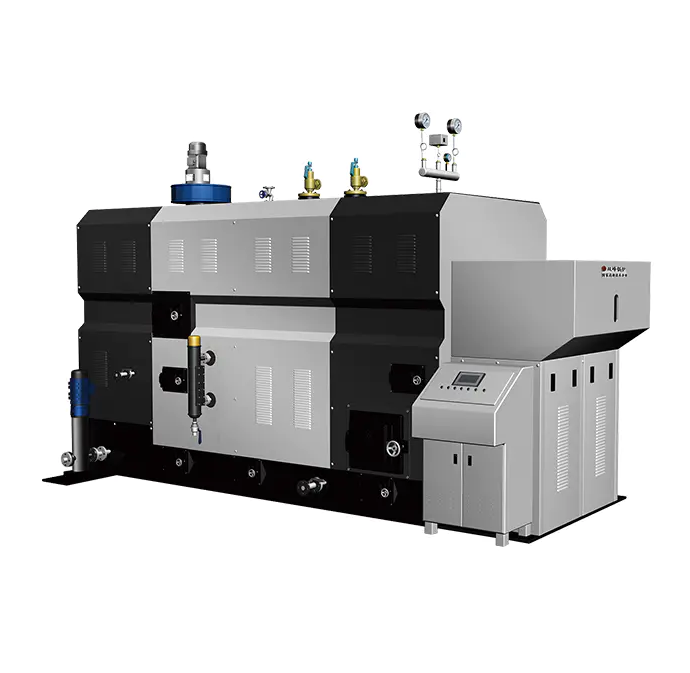
A Biomass Steam Boiler requires systematic maintenance to ensure stable steam output, safe pressure operation, and long-term performance. Maintenance activities cover combustion systems, heat exchange surfaces, fuel feeding equipment, and emission control components.
Industrial units commonly operate at pressures between 1.0 MPa and 2.5 MPa with capacities ranging from 2 t/h to 25 t/h, making consistent maintenance essential for production continuity.
Fuel Feeding System Maintenance
The fuel feeding system is responsible for delivering biomass material into the furnace. Key components include screw feeders, conveyors, and grate systems.
Maintenance tasks include:
Removing fuel blockages
Checking motor and gearbox wear
Ensuring uniform fuel distribution
Inspecting chain grate alignment
Irregular feeding can lead to uneven combustion and unstable steam pressure.
Furnace and Combustion Zone Care
Inside the furnace, ash and slag may accumulate over time depending on fuel composition. Maintenance includes:
Cleaning ash deposits from combustion chamber walls
Inspecting refractory lining conditions
Monitoring combustion air distribution ports
Furnace temperature stability is critical, typically maintained between 800°C and 1100°C.
Heat Exchange Surface Cleaning
Water tubes and convection surfaces accumulate soot and ash deposits, which reduce heat transfer efficiency. Cleaning methods include:
Mechanical soot blowing
Air pulse cleaning systems
Periodic shutdown inspection
Maintaining clean heat surfaces ensures stable steam generation efficiency.
Steam Drum and Water System Checks
The steam drum separates steam from water and maintains pressure balance. Maintenance includes:
Water level gauge calibration
Safety valve testing
Blowdown system operation checks
Internal inspection for scale formation
Feedwater quality also affects scaling rate inside tubes.
Emission System Maintenance
Dust collectors and flue gas systems require regular inspection:
Bag filter replacement or cleaning
Cyclone separator ash discharge
Induced draft fan lubrication
Flue gas temperature monitoring
Proper maintenance ensures stable emission control performance.
Operational Monitoring Parameters
Key operating indicators include:
Steam pressure stability (1.25–2.5 MPa typical range)
Exhaust gas temperature (140°C–180°C)
Fuel consumption rate consistency
Furnace temperature uniformity
Monitoring these values helps detect early performance deviation.
Conclusion
Maintenance of a Biomass Steam Boiler ensures stable combustion, efficient heat transfer, and safe pressure operation. Regular inspection of fuel systems, furnace conditions, and heat exchange surfaces is essential for long-term industrial reliability.

 Czech
Czech
 Arabic
 French
 Spanish
 Portuguese
 Deutsch
 Turkish
 Dutch
Dutch
 Italiano
 Russian
 Romaian
 Portuguese (Brazil)
 Greek
Greek