


 About SPORTIVO Network
Signs of Alopecia That Can Lead to Rapid Hair Fall
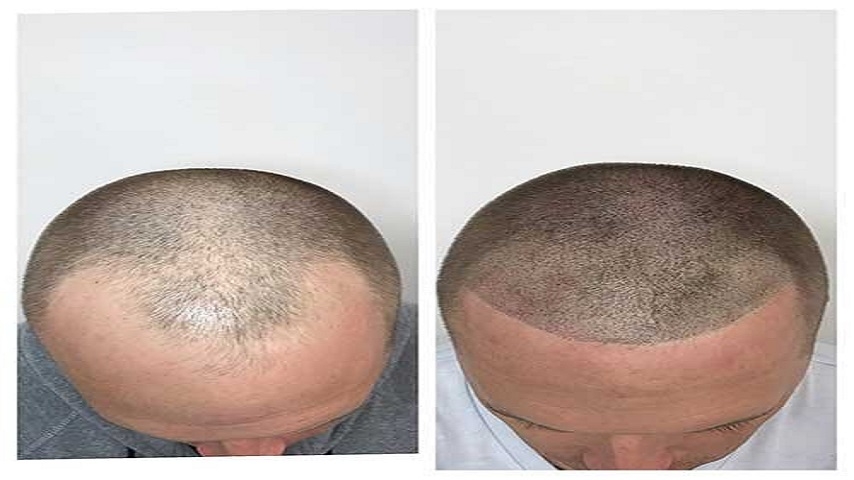
Hair fall is a normal part of the hair cycle—but when it becomes sudden, excessive, or happens in unusual patterns, it may point to something more serious. One of the key conditions behind rapid hair loss is Alopecia.
Recognizing the early signs of alopecia can help you take timely action and prevent further damage. The sooner you identify the symptoms, the better your chances of controlling hair loss and restoring healthy growth.
Understanding Rapid Hair Fall in Alopecia
Alopecia affects the hair growth cycle by disrupting the normal phases of growth, rest, and shedding. This leads to sudden or accelerated hair loss, often without much warning.
Unlike gradual thinning, alopecia-related hair fall can happen quickly and may become noticeable within weeks.
Key Signs of Alopecia You Should Watch For
1. Sudden Patchy Hair Loss
One of the most common and visible signs is hair falling out in round or oval patches.
What to notice:
- Smooth, bald patches on the scalp
- Hair loss in eyebrows or beard areas
- Patches appearing suddenly without pain
This is often linked to alopecia areata and can progress rapidly if not addressed.
2. Excessive Hair Shedding
If you’re losing significantly more hair than usual, it could be an early warning sign.
Indicators include:
- Large amounts of hair on your pillow
- Hair strands coming out easily while combing
- Noticeable increase in hair fall during washing
Sudden shedding often signals a disruption in the hair cycle.
3. Thinning at Specific Areas
Hair may start thinning in certain regions rather than uniformly.
Common areas:
- Crown of the head
- Hairline or temples
- Parting line becoming wider
This type of thinning can indicate pattern-related alopecia.
4. Weak and Brittle Hair Strands
Before hair falls out, it often becomes weak and fragile.
Signs include:
- Hair breaking easily
- Loss of natural shine
- Rough or dry texture
Weak strands are more likely to fall prematurely.
5. Slow or No Regrowth
Hair typically regrows after shedding, but alopecia can slow down or stop this process.
What to observe:
- Bald spots not filling in
- New hair growth appearing very thin or fine
- Delayed regrowth over weeks or months
This indicates that hair follicles are not functioning properly.
6. Itching or Tingling Sensation
Some people experience mild discomfort before hair loss occurs.
Possible sensations:
- Itching in specific areas
- Tingling or burning feeling
- Increased scalp sensitivity
These sensations may signal inflammation or immune activity affecting follicles.
7. Changes in Nails (Often Overlooked)
In certain cases, alopecia is linked with nail changes.
Look for:
- Pitting or small dents in nails
- Brittle or rough nail texture
While not always present, this can be an additional indicator.
Why Early Detection Matters
Ignoring these signs can lead to more severe hair loss over time. Early intervention helps:
- Protect active hair follicles
- Slow down rapid hair fall
- Improve chances of regrowth
The earlier you act, the more effective the treatment will be.
What You Can Do Next
If you notice any of these symptoms:
- Maintain a gentle hair care routine
- Avoid stress and harsh treatments
- Focus on proper nutrition
- Consult a hair specialist for diagnosis
Professional treatments like PRP therapy or Low-Level Laser Therapy may be recommended depending on your condition.
Final Thoughts
Alopecia-related hair fall can be sudden and distressing, but recognizing the warning signs gives you an advantage. From patchy hair loss to excessive shedding and slow regrowth, these signals should never be ignored.
Taking timely action, combined with the right care and treatment, can help you regain control over your hair health.
PRP Treatment for Hair: Boost Scalp Health and Grow Strong Hair
Understanding Scalp Conditions That Cause Hair Fall and Hair Issues

 Czech
Czech
 English
 Arabic
 French
 Spanish
 Portuguese
 Deutsch
 Turkish
 Dutch
Dutch
 Italiano
 Romaian
 Portuguese (Brazil)
 Greek
Greek