


 About SPORTIVO Network
Why Your Moto Light Looks Dim: Causes, Fixes & Safety Tips Now
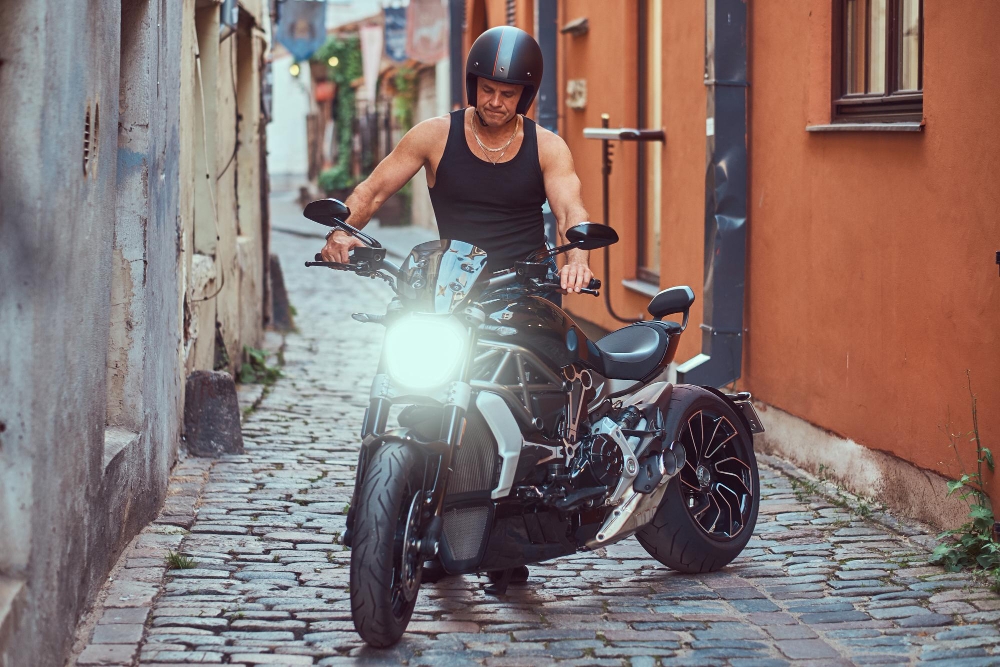
A dim moto light is more than a small annoyance. It reduces visibility, makes night riding stressful, and can even increase the risk of accidents. Many riders assume the bulb has reached the end of its life, but that is only one possible reason.
Motorcycle lighting systems rely on several electrical and mechanical components working together. If one part develops a problem, the light output can drop even when the bulb still works.
The good news is that most dim lighting issues have clear causes and practical solutions. Understanding them helps riders fix problems sooner and avoid replacing parts that still work perfectly.
Why a Moto Light Becomes Dim
A moto light does not suddenly lose brightness without a reason. In most cases, one or more factors reduce the amount of power reaching the light or limit the light's ability to shine effectively.
The first step is identifying the actual cause instead of guessing.
An Aging Bulb Produces Less Light
Every light source has a limited lifespan.
Halogen bulbs slowly lose brightness as the tungsten filament wears out. The bulb may continue working, but its light output decreases over time.
LED motorcycle lights last much longer than halogen bulbs. However, LEDs can also lose brightness after many hours of operation due to gradual component aging and heat exposure.
If your light seems weaker than it was a few years ago, normal aging may be responsible.
Low Battery Voltage Reduces Brightness
Your motorcycle battery powers much more than the starter motor.
When battery voltage drops below normal levels, the lighting system may not receive enough electrical power.
Common causes include:
- An old battery
- Loose battery terminals
- Long periods without riding
- Charging system problems
According to motorcycle maintenance guidance from major manufacturers, checking battery health should be one of the first diagnostic steps when electrical issues appear.
Charging System Problems Affect the Moto Light
The charging system includes the stator, regulator/rectifier, and battery.
If the regulator fails or the stator cannot produce enough electricity, the battery gradually loses charge while riding.
As voltage drops, the moto light often becomes dimmer.
Think of it like watering a garden with a leaking hose. Water still reaches the plants, but not enough to keep everything healthy.
Dirty or Cloudy Lens Reduces Light Output
Sometimes the bulb is perfectly fine.
The problem sits in front of it.
Dust, road grime, insects, oxidation, and UV damage can reduce the amount of light passing through the headlight lens.
Plastic lenses naturally become cloudy after years of exposure to sunlight.
Cleaning or restoring the lens often produces an immediate improvement without replacing any electrical parts.
Loose Electrical Connections Create Resistance
Electricity prefers smooth roads.
Loose connectors create traffic jams.
Corroded terminals, damaged wiring, or poor ground connections increase electrical resistance. That resistance reduces the voltage reaching the light.
Motorcycles experience constant vibration, making electrical inspections an important part of routine maintenance.
A small loose connector today can become tomorrow's roadside problem.
Installing the Wrong Bulb
Not every bulb fits every motorcycle.
Using an incorrect wattage or incompatible LED replacement may reduce brightness or create uneven beam patterns.
Some LED conversion kits also require compatible reflectors or projector housings. Without them, the light may scatter instead of focusing on the road.
Always check the manufacturer's specifications before replacing the original bulb.
Why Heat Matters More Than Most Riders Think
Heat affects lighting performance.
LED lights include heat sinks or cooling systems because excessive temperatures shorten component life.
Poor airflow, damaged cooling fans, or enclosed housings may trap heat around the light source.
Manufacturers design motorcycle lighting to operate within specific temperature ranges for maximum performance and longevity.
How to Improve Moto Light Performance
Improving visibility does not always require expensive upgrades.
Start with the basics.
Inspect the Battery
Use a multimeter to check battery voltage according to your motorcycle manufacturer's service recommendations.
A healthy charging system helps every electrical component perform properly.
Clean the Headlight Lens
Use cleaning products designed for automotive lighting.
If oxidation has developed, headlight restoration kits may improve light transmission.
Check Electrical Connections
Inspect connectors for:
- Corrosion
- Loose terminals
- Damaged insulation
- Moisture intrusion
A simple cleaning can restore proper electrical flow.
Replace Worn Bulbs
If the bulb has many years of use, replacement may restore factory-level brightness.
Choose quality products that meet your motorcycle's specifications.
Verify Headlight Aim
Even a bright moto light becomes ineffective if it points too high or too low.
Correct beam alignment improves nighttime visibility while reducing glare for other road users.
Should You Upgrade to LED?
Many riders choose LED lighting because it offers:
- Lower power consumption
- Longer service life
- Faster illumination
- Better vibration resistance
However, not every motorcycle supports direct LED replacement.
Always verify compatibility with your headlight housing, electrical system, and local road regulations before upgrading.
A brighter light only helps when it produces the correct beam pattern.
When Is Professional Inspection Necessary?
If brightness continues to decrease after replacing the bulb and checking the battery, a deeper electrical problem may exist.
Professional technicians can test:
- Charging voltage
- Stator output
- Regulator performance
- Wiring continuity
- Ground connections
Finding the root cause early often prevents more expensive repairs later.
Final Thoughts
A dim moto light rarely means only one thing. Battery condition, charging system performance, aging bulbs, dirty lenses, electrical connections, and incorrect replacements all influence how well your motorcycle lights the road.
Instead of replacing parts at random, inspect the entire lighting system step by step. A careful diagnosis saves money, improves riding safety, and restores the visibility every rider depends on after sunset.
After all, the road already has enough surprises. Your headlight should not become one of them.

 Czech
Czech
 English
 Arabic
 French
 Spanish
 Portuguese
 Deutsch
 Turkish
 Dutch
Dutch
 Italiano
 Russian
 Romaian
 Portuguese (Brazil)