


 About SPORTIVO Network
Root Disease Biocontrol and Organic Soil Fungus Control in Modern Sustainable Farming
Crop productivity depends heavily on healthy soil conditions because plant roots absorb nutrients, oxygen, and water directly from the root zone. When fungal pathogens attack the soil, crops often suffer from weak growth, yellow leaves, root rot, and poor yield quality. Farmers are increasingly using root disease biocontrol and organic soil fungus control systems to protect crops while maintaining long term soil fertility. Biological farming methods improve microbial balance naturally and reduce dependency on synthetic fungicides that may damage beneficial soil organisms over time. These sustainable practices are now widely adopted in vegetable cultivation, fruit orchards, greenhouse farming, cereal production, and commercial export agriculture. Proper soil management also supports stronger plant immunity, improved nutrient efficiency, and reduced irrigation waste. Modern agricultural systems combine biological protection with balanced fertilization and efficient irrigation techniques for better crop performance and long term farm profitability.
What is the biological control of disease?
The phrase refers to controlling harmful plant diseases through beneficial living organisms instead of relying mainly on chemical fungicides. In farming, biological control commonly uses microorganisms such as Trichoderma fungi, Bacillus bacteria, and Pseudomonas species that naturally suppress disease causing pathogens in the soil environment.
These beneficial microbes create competition around plant roots and prevent harmful fungi from multiplying. Some biological organisms produce enzymes and natural compounds that directly attack fungal pathogens and reduce disease spread. Farmers often apply these microbes through seed treatment, compost enrichment, or irrigation systems to improve root protection during crop growth stages.
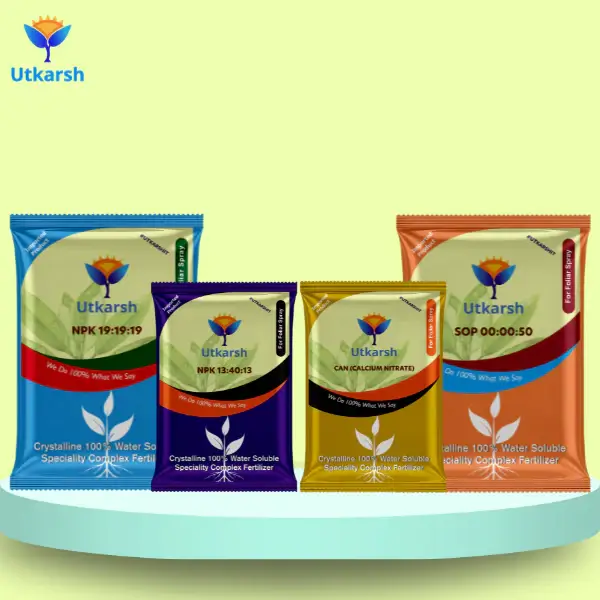
Biological disease management is especially valuable for maintaining soil fertility because beneficial microorganisms improve nutrient availability and organic matter breakdown. Farmers using biological solutions often report healthier root systems, reduced disease recurrence, and improved crop uniformity. Sustainable agricultural organizations such as Utkarsh Agro support biological farming approaches that encourage environmentally responsible crop production with lower chemical dependency.
What are the methods of biological control?
The question includes several natural farming practices used to reduce fungal infections and improve soil health. These methods work together to create conditions where harmful pathogens struggle to survive while beneficial microorganisms thrive near plant roots.
Widely used biological control methods include:
-
Applying microbial biofungicides to seeds and soil
-
Crop rotation with disease resistant crops
-
Compost application to improve microbial diversity
-
Green manure cultivation for organic matter enrichment
-
Mulching to control excess soil moisture
-
Drip irrigation systems that reduce fungal spread
Crop rotation is highly effective because fungal pathogens lose their food source when different crops are grown in sequence. Organic compost also improves soil texture and increases beneficial microbial populations naturally. Farmers using balanced irrigation systems experience fewer fungal outbreaks because excess moisture is one of the primary causes of root diseases.
Integrated biological management systems help reduce long term pesticide expenses while improving crop quality and market acceptance. Proper field sanitation, certified seeds, and timely nutrient management further increase the success rate of biological disease prevention practices.
How to control root disease?
The question is common among farmers dealing with root rot, wilting plants, and reduced crop productivity. Root diseases usually develop in compacted or waterlogged soils where fungal organisms multiply rapidly. Effective control begins with proper soil preparation and preventive cultivation techniques.
Farmers should improve drainage systems to prevent standing water around plant roots. Raised bed cultivation is highly useful because it improves soil aeration and reduces moisture accumulation. Drip irrigation systems are also recommended because they deliver controlled water directly to roots without saturating the surrounding soil.
Organic matter such as vermicompost and farmyard manure improves soil structure and supports beneficial microbial growth. Farmers should remove infected plants immediately to stop fungal spread across healthy crops. Crop rotation with pulses or non host crops helps reduce pathogen buildup in the field. Maintaining balanced fertilizer application is equally important because excessive nitrogen can weaken root resistance against fungal attacks. Combined preventive measures help farmers reduce disease losses and maintain healthier crop growth cycles.
How to remove fungal infection from soil?
The question requires a combination of sanitation, microbial restoration, and soil treatment methods. Harmful fungi can survive for several seasons if infected crop residues remain untreated in the field. Farmers therefore need consistent soil management practices to reduce fungal populations naturally.
Soil solarization is one effective technique where moist soil is covered with transparent plastic sheets during hot weather conditions. The trapped heat increases soil temperature enough to reduce harmful fungal spores and weed seeds. After solarization, compost enriched with beneficial microbes can be applied to restore healthy microbial activity.
Farmers also use neem cake, biochar, and organic amendments to improve soil resistance against fungal infections. Cleaning cultivation equipment and removing diseased plant material are essential sanitation practices that prevent reinfection. Proper irrigation management is equally important because overwatering encourages fungal growth in root zones. Long term organic soil improvement creates stable microbial ecosystems that naturally suppress harmful pathogens and support sustainable crop production.
Organic soil fungus control for plants
The phrase Organic soil fungus control for plants refers to natural methods used to manage fungal infections without synthetic chemical fungicides. Organic fungal control practices are increasingly used in fruit cultivation, vegetable farming, medicinal plant production, and export oriented agriculture because they support healthier soil systems and safer food production.
Organic fungal control mainly focuses on strengthening beneficial soil microorganisms through compost, biofertilizers, and botanical treatments. Neem oil, garlic extract, and microbial cultures are commonly applied to suppress fungal growth naturally. Farmers often use mulching techniques to maintain stable soil moisture and prevent soil splashing that spreads fungal spores onto plants.
Intercropping and crop diversification also help reduce fungal disease pressure by improving field biodiversity. Organic farming systems encourage stronger root development and better nutrient absorption because beneficial microbes improve soil activity continuously. Farmers adopting organic fungal management often experience improved soil texture, lower chemical input costs, and better long term agricultural sustainability.
What is the strongest natural antifungal?
The question is important for farmers searching for effective alternatives to chemical fungicides. Several natural antifungal materials are highly effective in controlling soil borne fungal infections while remaining safe for crops and beneficial organisms.
Neem based products are widely considered among the strongest natural antifungal solutions because they suppress fungal growth and reduce spore development. Trichoderma fungi are also highly effective because they directly attack harmful pathogens and protect plant roots from reinfection. Garlic extracts contain sulfur compounds that help control fungal diseases in nursery plants and vegetable fields.
Cinnamon oil and compost tea are also used in organic farming systems to reduce fungal spread naturally. These treatments work best when combined with proper irrigation, balanced fertilization, and field sanitation practices. Preventive application during early crop growth stages provides better protection compared to treating severe infections after they spread widely across the field.
Conclusion
Sustainable agriculture increasingly depends on natural disease management systems that protect crops while preserving long term soil fertility and environmental quality. Root disease biocontrol and organic soil fungus control practices help farmers manage fungal infections through beneficial microorganisms, organic amendments, and improved soil management techniques. Proper irrigation systems, balanced nutrient application, crop rotation, and biological treatments strengthen plant roots and reduce fungal pressure naturally. Farmers using these methods often experience lower production costs, improved soil structure, and healthier crop development throughout multiple growing seasons. Organic and biological disease control systems also reduce harmful chemical residues and improve market acceptance for agricultural produce. Long term adoption of sustainable fungal management practices supports productive farming systems that remain environmentally safe and economically stable. Healthy soil ecosystems ultimately create stronger crops, improved yields, and more reliable agricultural production for future farming generations.

 English
 Arabic
 French
 Spanish
 Portuguese
 Deutsch
 Turkish
 Dutch
Dutch
 Italiano
 Russian
 Romaian
 Portuguese (Brazil)
 Greek
Greek