


 About SPORTIVO Network
How to Split Beehives: A Beginner-Friendly Guide
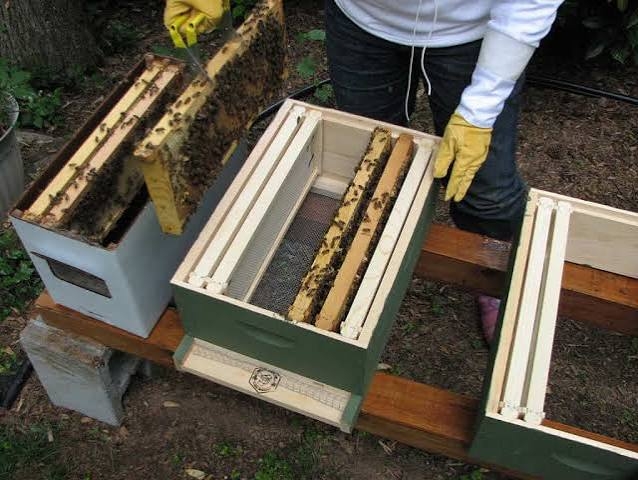
Beekeeping is an exciting journey filled with learning curves, and one of the most valuable skills you’ll acquire as a beekeeper is how to split beehives. Whether you're looking to expand your apiary or prevent swarming, splitting a hive is a sustainable, natural way to strengthen your bee colonies.
In this beginner-friendly guide, we’ll walk you through the process of beehive splitting step by step, highlight common mistakes to avoid, and explain how investing in affordable bee suits can make your experience safer and more enjoyable. If you're just getting started, this comprehensive tutorial will help you build confidence and ensure your bees stay healthy and productive.
What Is Beehive Splitting and Why Is It Important?
Beehive splitting is a method used by beekeepers to divide a strong, healthy hive into two separate colonies. This process mimics what happens in nature when a colony swarms, but it allows beekeepers to manage the division in a controlled way.
Benefits of Hive Splitting Include:
-
Preventing natural swarming
-
Increasing the number of colonies
-
Managing hive overcrowding
-
Encouraging new queen development
-
Strengthening overall hive health
For those exploring beginner beekeeping tips, learning how to split a hive gives you an early insight into hive management and colony dynamics.
When Is the Best Time to Split a Beehive?
Timing is crucial for successful splits. The best time to split a beehive is in the spring or early summer, when nectar and pollen are abundant, and colonies are rapidly growing.
Key indicators that it’s time to split include:
-
The hive is booming with bees
-
Queen cells are present
-
The brood box is packed with capped brood and honey
For beginners, understanding seasonal behaviors is an essential part of hive management and will guide you in making informed decisions.
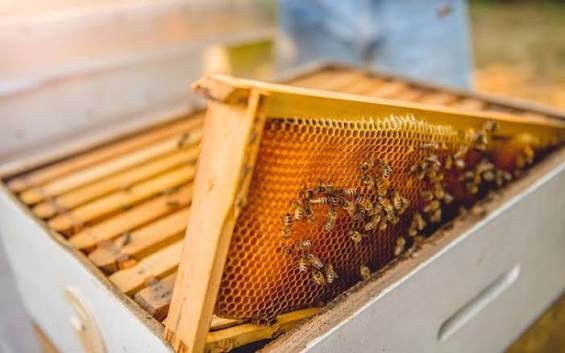
Essential Tools and Gear for Safe and Successful Splitting
Before you dive into splitting, it's important to have the right tools and protective gear. This not only helps you carry out the task efficiently but also ensures your safety.
Basic Beekeeping Equipment for Beginners Includes:
-
Hive tool
-
Smoker
-
Nucleus box or second hive setup
-
Queen excluder (optional)
-
Frame holders or extra frames
Why You Need Affordable Bee Suits and the Best Beekeeping Gloves
Safety should always come first. Bees can become defensive during hive manipulations, especially when brood frames or the queen are disturbed. Investing in affordable bee suits offers excellent protection without straining your budget.
A quality beekeeping suit for beginners should be:
-
Full-body with a veil
-
Made from breathable, durable fabric
-
Easy to zip and secure at wrists and ankles
-
Lightweight enough for comfort but thick enough for safety
In addition to a well-fitted suit, don’t overlook the importance of wearing the best beekeeping gloves. They protect your hands from stings while still allowing enough dexterity to handle frames and delicate queen cells. Look for gloves made from soft yet durable materials like goat leather with ventilated cuffs for added comfort.
Step-by-Step Guide: How to Split a Beehive for Beginners
Now that you’re geared up and ready, let’s walk through a simple method for splitting your hive.
Step 1: Inspect the Hive
Perform a thorough hive inspection. Look for:
-
Queen status (laying or missing)
-
Presence of queen cells
-
Healthy brood pattern
-
Sufficient bee population
If the colony is strong and queen cells are present, it’s a good candidate for splitting.
Step 2: Choose the Right Splitting Method
For beginners, the “walk-away split” is one of the easiest and most effective methods.
Walk-Away Split Method:
-
Move half the frames (brood, bees, and honey) to a new hive box.
-
Ensure both the original hive and the new one have a good mix of capped brood and nurse bees.
-
Leave queen cells in one of the hives, or add a mated queen to the queenless half.
In about two to three weeks, the queenless hive will raise a new queen if queen cells were present.
Step 3: Monitor Both Hives
Regularly check both the parent hive and the split for:
-
Queen activity or development
-
Brood pattern
-
Honey and pollen stores
This phase is crucial for hive management for beginners, as it helps ensure the split was successful.
Avoiding Common Mistakes in Beehive Splitting
New beekeepers may encounter challenges when attempting their first split. Here are a few pitfalls to watch out for:
1. Not Identifying the Queen Correctly
Splitting a hive without confirming where the queen is located can lead to both hives being queenless.
2. Weak Splits
A split made with too few bees or resources can struggle to survive. Ensure each hive has sufficient brood and food stores.
3. Overlooking Safety Gear
Skipping out on proper protection increases the risk of stings. Always suit up in beekeeping safety gear, including a reliable veil, gloves, and an affordable bee suit.
Affordable Beekeeping: How to Save Without Sacrificing Safety
Beekeeping doesn’t have to be expensive—especially when it comes to protective clothing. Many new beekeepers overspend on gear when affordable bee suits offer just as much protection and durability.
Tips for Budget-Friendly Beekeeping:
-
Buy suits from trusted beekeeping brands with good reviews
-
Look for ventilated suits that balance comfort and protection
-
Opt for bundles that include gloves and veils
-
Consider children’s sizes or beginner kits if you’re starting small
Affordable doesn't mean low quality—it means smart shopping. Choose products that offer essential features without unnecessary costs.
Final Thoughts: Ready to Try Your First Beehive Split?
Learning how to split beehives is one of the most empowering steps in your beekeeping journey. It allows you to:
-
Expand your apiary
-
Manage colony health
-
Prevent swarming
-
Gain confidence in your skills
With the right knowledge, the right tools, and the protection of a trusted affordable bee suit, even first-time beekeepers can perform successful hive splits.
Stay safe, stay curious, and enjoy the sweet rewards of smarter beekeeping.

 Czech
Czech
 English
 Arabic
 French
 Spanish
 Portuguese
 Deutsch
 Dutch
Dutch
 Italiano
 Russian
 Romaian
 Portuguese (Brazil)
 Greek
Greek