


 About SPORTIVO Network
Everything You Need to Know About Mounjaro Injections
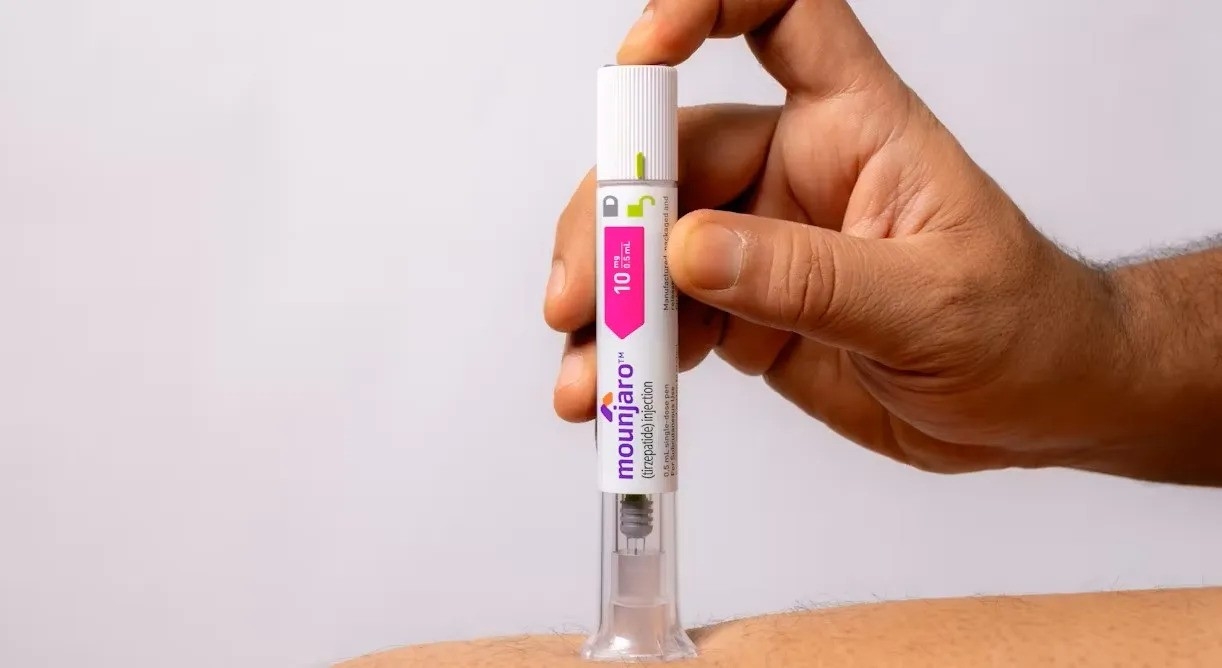
Mounjaro is a prescription medication that contains the active ingredient tirzepatide. It is administered as a once-weekly injection and is used to help manage type 2 diabetes. In many countries, tirzepatide is also approved under specific indications for chronic weight management in eligible adults, or may be prescribed according to local regulations and clinical judgment. It works best when combined with a healthy diet, regular exercise, and long-term lifestyle changes.
If you're considering Mounjaro injections, understanding how the medication works, who may benefit from it, its possible side effects, and what to expect during treatment can help you make an informed decision.
What Are Mounjaro Injections?
Mounjaro belongs to a class of medications known as dual GIP and GLP-1 receptor agonists. These medications mimic two natural hormones that help regulate blood sugar, appetite, and digestion.
Unlike medications that target only one hormone, Mounjaro activates both GIP and GLP-1 receptors, helping improve blood sugar control while also promoting feelings of fullness.
How Does Mounjaro Work?
Mounjaro supports weight management and blood sugar control through several mechanisms:
- Reduces appetite
- Helps you feel full for longer
- Slows stomach emptying
- Stimulates insulin release when blood sugar rises
- Reduces excess glucose production by the liver
- Helps decrease overall calorie intake
These combined effects can make healthy eating easier and contribute to gradual, sustainable weight loss in eligible individuals.
Who May Benefit from Mounjaro?
A healthcare provider may recommend Mounjaro if you:
- Have type 2 diabetes
- Have obesity
- Are overweight with weight-related medical conditions
- Have not achieved desired results through diet and exercise alone
Whether Mounjaro is appropriate depends on your medical history, current health, and the approved indications in your country.
Who Should Not Use Mounjaro?
Mounjaro is not suitable for everyone.
Tell your healthcare provider if you:
- Are pregnant or planning to become pregnant
- Are breastfeeding
- Have a personal or family history of medullary thyroid carcinoma (MTC)
- Have Multiple Endocrine Neoplasia syndrome type 2 (MEN2)
- Have had a serious allergic reaction to tirzepatide
- Have a history of pancreatitis or certain digestive disorders
Your healthcare provider will determine whether the medication is safe for you.
How Is Mounjaro Administered?
Mounjaro is given as a once-weekly injection under the skin.
Common injection sites include:
- Abdomen
- Thigh
- Upper arm
To reduce skin irritation, rotate injection sites each week. The injection can be taken with or without food, preferably on the same day each week.
Starting Treatment
Treatment usually begins with a low starting dose, allowing your body to adjust gradually. Your healthcare provider may increase the dose every few weeks depending on your response and side effects.
Never adjust your dose without consulting your healthcare provider.
Benefits of Mounjaro Injections
Many patients may experience:
- Better blood sugar control
- Reduced appetite
- Significant weight loss
- Improved portion control
- Better long-term weight management
- Improved overall metabolic health
Clinical studies have shown that tirzepatide can produce meaningful weight loss when combined with healthy lifestyle changes. Individual results vary.
Possible Side Effects
Like all prescription medications, Mounjaro can cause side effects.
Common side effects include:
- Nausea
- Vomiting
- Diarrhea
- Constipation
- Stomach pain
- Indigestion
- Decreased appetite
These symptoms are often temporary and tend to improve as your body adapts to the medication.
Serious Risks
Although uncommon, serious side effects require immediate medical attention.
Contact your healthcare provider immediately if you experience:
- Severe abdominal pain
- Persistent vomiting
- Difficulty breathing
- Swelling of the face or throat
- Symptoms of pancreatitis
- Severe dehydration
Mounjaro also carries a boxed warning regarding the potential risk of thyroid C-cell tumors based on animal studies and should not be used by people with certain thyroid conditions.
Lifestyle Tips for Better Results
Medication works best when combined with healthy habits.
To maximize your results:
- Eat balanced, nutrient-rich meals.
- Include lean protein with each meal.
- Stay well hydrated.
- Exercise regularly.
- Get adequate sleep.
- Manage stress effectively.
- Attend scheduled follow-up appointments.
Healthy lifestyle changes improve both weight management and overall health.
Frequently Asked Questions
How quickly does Mounjaro work?
Many people notice reduced appetite within the first few weeks, while weight loss and blood sugar improvements usually occur gradually over several months.
Can I exercise while taking Mounjaro?
Yes. Regular physical activity is encouraged unless your healthcare provider advises otherwise.
What happens if I miss a dose?
Follow the instructions in your medication guide or contact your healthcare provider or pharmacist. Do not take extra doses to make up for a missed injection.
Can I stop taking Mounjaro after losing weight?
Some people regain weight after stopping treatment. Your healthcare provider can help determine whether continuing therapy or transitioning to another long-term strategy is appropriate.
Choosing the Right Healthcare Provider
Because Mounjaro is a prescription medication, treatment should always be supervised by a qualified healthcare professional. During your consultation, discuss your medical history, current medications, weight-loss goals, and any concerns about side effects. Regular follow-up appointments allow your provider to monitor your progress and adjust treatment if necessary.
Conclusion
Mounjaro injections have become an important treatment option for eligible adults seeking better blood sugar control and effective weight management. By reducing appetite, increasing fullness, and improving glucose regulation, tirzepatide can help many people achieve meaningful health improvements when combined with healthy lifestyle changes. Because it is a prescription medication with important safety considerations, treatment should always be guided by a qualified healthcare provider to ensure the best possible outcomes.

 Czech
Czech
 English
 Arabic
 French
 Spanish
 Portuguese
 Deutsch
 Turkish
 Dutch
Dutch
 Italiano
 Russian
 Romaian
 Greek
Greek