Letting go of an old car often feels harder than people expect. From the outside, it may look like a worn machine that no longer runs well. Yet for the owner, it can feel like part of daily life. Cars carry memories, routines, and a sense of identity. This emotional link explains why many unused vehicles stay parked in garages, sheds, or yards long after they stop serving a clear purpose.
This article explores the real reasons behind this attachment. It focuses on human behaviour, social habits, and clear facts related to vehicle ownership in Australia.
Cars Become Part of Personal History
Many Australians remember the car that marked an important stage of life. It may have been the first vehicle bought after landing a job. It may have carried children home from hospital. It may have been used for long drives across regional roads.
Over time, a car becomes a silent witness to daily routines. School runs, work commutes, weekend trips, and quiet solo drives all happen inside the same space. These repeated moments turn a car into something familiar and comforting. Letting it go can feel like losing a piece of the past.
Emotional Attachment Grows Over Time
Psychologists explain that people form emotional bonds with objects that stay with them through key moments. This is known as emotional attachment. Cars are strong examples of this because they are used often and over many years.
An old car may remind someone of independence, hard work, or family responsibility. Even when repairs increase and performance drops, the emotional weight remains. This makes the decision to part with the vehicle feel personal rather than practical.
Fear of Waste Plays a Role
Many people feel uneasy about discarding something that once worked well. In Australian households, there is a strong culture of making use of items for as long as possible. Throwing away a car can feel wasteful, even if it no longer runs.
This feeling grows stronger when the owner remembers how much the car cost at purchase. Even after many years, the thought of sending it away can create guilt. This mindset leads some owners to delay action, hoping the car may be used again one day.
Uncertainty About the Process
Another reason people delay letting go of an old car is confusion about what happens next. Questions often arise about paperwork, safety, and legal duties. In Australia, vehicle disposal involves steps such as cancelling registration and handling number plates.
Lack of clear understanding can cause stress. When people are unsure, they often choose to wait. This is why many unused vehicles remain parked long after their final drive.
Cars Represent Self Identity
A car often reflects personal taste and lifestyle. The model, colour, and condition can say something about the owner. For years, that car may have been part of how others see them.
Letting go of it may feel like giving up a familiar image. This is common among owners who have kept the same vehicle for decades. The car becomes part of how they see themselves, which makes separation harder.
Financial Thoughts Affect Decisions
Money also shapes the emotional struggle. Owners may worry about spending on a replacement. Even if the old car costs more to keep running, the idea of paying for another vehicle can feel heavy.
Facts show that older cars often require higher repair costs. Data from Australian motoring groups shows that maintenance expenses rise sharply after a vehicle passes fifteen years of age. Despite this, emotional comfort often outweighs financial logic.
Sentimental Objects Inside the Car
Small details inside an old car also hold meaning. Scratches on the dashboard, worn seats, and old stickers can remind owners of specific times. These details turn the car into a memory container.
Cleaning out the car can be one of the hardest steps. Each item removed can bring back stories. This emotional weight explains why people delay this task.
Social Influence and Family Pressure
Family members often have different views about old cars. One person may see it as clutter, while another sees it as history. These differences can cause tension.
In many households, older relatives feel stronger attachment to long owned vehicles. Younger family members may focus on space, safety, and upkeep. This gap in views can delay decisions for years.
Environmental Awareness Changes the Picture
Environmental facts also play a role in the modern discussion. Older cars often release more emissions than newer models. They may lack modern safety features.
In Australia, nearly ninety percent of a vehicle can be reused or recycled once it is sent for proper handling. Metals, glass, and parts are processed for reuse. Knowing this can help owners feel more at peace with letting go, as the car continues to serve a purpose beyond its final drive.
A Logical Step in the Vehicle Life Cycle
Every vehicle reaches a point where it no longer fits daily needs. Roads change, safety standards shift, and personal routines evolve. Letting go is not failure. It is part of the natural life cycle of ownership.
When owners understand that the car has already given years of service, the decision can feel more balanced. The focus shifts from loss to closure.
Where Removal Services Fit Into the Story
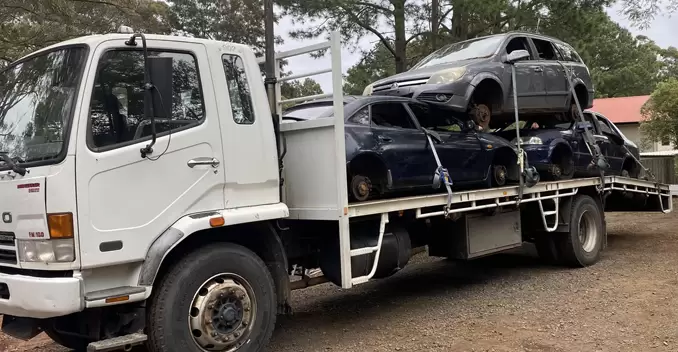
At the stage when a car no longer runs or sits unused, removal services become part of the journey. Sydney Car Removal often comes into the picture at this point, helping owners move vehicles that have reached the end of their road toward recycling yards in line with local rules. Many people searching for Top Car Removal Sydney see such services as a practical bridge between emotional attachment and responsible disposal, as the car is handled in a way that respects both safety and environmental care.
The Weight of Finality
Handing over keys for the last time can feel final. Even when the decision makes sense, emotions may surface. This is natural. Studies on object attachment show that people often grieve items tied to long periods of life.
Acknowledging this feeling helps. It shows that the bond was real and meaningful.
Making Peace With the Decision
Letting go becomes easier when owners focus on what comes next. A clear space, lower upkeep, and peace of mind often follow. Some people choose to mark the moment by taking photos or sharing stories about the car.
This helps turn the ending into a respectful closing chapter rather than a sudden loss.
A Common Experience Across Australia
From city suburbs to rural towns, this experience is shared by many Australians. Old cars sitting under covers or trees tell silent stories of attachment and delay. Each one represents years of service and memory.
Understanding why letting go feels hard helps remove shame from the process. It is not weakness. It is human.
Closing Thoughts
Letting go of an old car is rarely about metal alone. It is about memories, identity, and change. By recognising these factors and learning the facts around vehicle end of life, owners can make choices with clarity.
Every car has a journey. Ending one chapter makes space for the next, while the story of the old car lives on in memory and reuse.



 About SPORTIVO Network

 Czech
Czech
 Arabic
 French
 Spanish
 Portuguese
 Deutsch
 Turkish
 Dutch
Dutch
 Italiano
 Russian
 Romaian
 Portuguese (Brazil)
 Greek
Greek