


 About SPORTIVO Network
The Central Nervous System of Cybersecurity: An Introduction to the Security Operations Center Industry
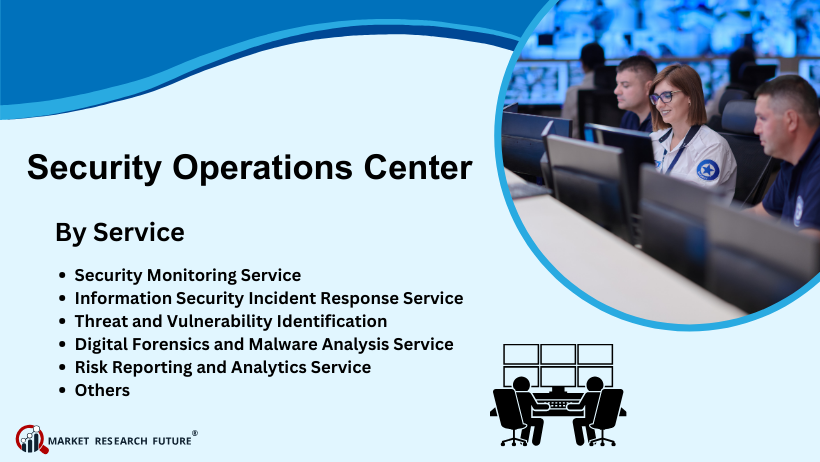
In the face of a relentless and ever-evolving cyber threat landscape, organizations have been forced to move beyond passive, perimeter-based defenses and adopt a proactive, 24/7 vigilance. This strategic imperative has given rise to the global Security Operations Center industry, a critical sector dedicated to providing the centralized command and control functions for cybersecurity. A Security Operations Center (SOC) is a dedicated facility where an organization's security posture is continuously monitored, analyzed, and defended. It is the nerve center where a team of skilled professionals uses a sophisticated suite of technologies and well-defined processes to detect, investigate, and respond to cybersecurity incidents in real-time. The fundamental mission of a SOC is to protect an organization's most valuable assets—its data, its systems, and its reputation—from the constant barrage of threats. By correlating security events from across the entire IT infrastructure, from individual endpoints to cloud services, the SOC provides the holistic visibility and rapid response capabilities necessary to identify and neutralize attacks before they can cause significant damage, making it an indispensable component of any mature cybersecurity program.
The People, Process, and Technology Triad
The effectiveness of any Security Operations Center is built upon the balanced and integrated foundation of three core pillars: people, process, and technology. The people are the human intelligence at the heart of the SOC, a tiered team of cybersecurity professionals. Tier 1 analysts act as the first line of defense, triaging incoming alerts and escalating potential incidents. Tier 2 analysts conduct deeper investigations into these incidents, analyzing malware and determining the scope of a breach. Tier 3 analysts, often the most senior experts, focus on proactive threat hunting, advanced forensic analysis, and developing new detection methods. The process pillar provides the structured framework for all SOC activities. This includes detailed incident response playbooks that guide analysts through standardized procedures for handling specific types of attacks (e.g., ransomware, phishing), ensuring a consistent and efficient response. It also encompasses processes for threat intelligence integration, vulnerability management, and continuous improvement through post-incident reviews. The technology pillar consists of the sophisticated tools that empower the analysts. This includes the core Security Information and Event Management (SIEM) system, along with a host of other solutions like Endpoint Detection and Response (EDR), Network Detection and Response (NDR), and threat intelligence platforms, all working in concert to provide comprehensive visibility and analytical power.
The Core Functions of a SOC
The day-to-day operations of a SOC revolve around a continuous cycle of security activities designed to minimize the time between a compromise and its detection and resolution. The first and most fundamental function is continuous monitoring and detection. The SOC aggregates and analyzes a massive volume of log and event data from across the entire organization's IT environment, using correlation rules and behavioral analytics to identify anomalous or malicious activity that could indicate a threat. Once a potential threat is detected, the next function is incident triage and investigation. Analysts must quickly assess the severity of an alert, determine if it is a false positive or a genuine incident, and begin to investigate its nature and scope. This involves piecing together evidence from multiple data sources to understand the attacker's methods and objectives. The third critical function is incident response. When a genuine incident is confirmed, the SOC team takes action to contain the threat, such as isolating an infected machine from the network, blocking a malicious IP address, or disabling a compromised user account. This is followed by eradication and recovery, which involves removing the threat from the environment and restoring affected systems to normal operation, all while preserving evidence for potential legal action.
From Reactive Defense to Proactive Hunting
While the core functions of a SOC are often seen as reactive—responding to alerts as they come in—a mature SOC also embraces a proactive posture through the practice of threat hunting. Threat hunting is a more advanced and creative discipline that assumes a breach has already occurred or will occur, and that automated detection tools may not have caught it. Instead of waiting for an alert, threat hunters actively search through their organization's data for the subtle signs of an advanced adversary. They formulate hypotheses based on the latest threat intelligence about attacker tactics, techniques, and procedures (TTPs) and then use their deep knowledge of the network and advanced analytical tools to hunt for evidence of these TTPs in their environment. This proactive approach can uncover stealthy, low-and-slow attacks that traditional, signature-based detection methods might miss. By actively seeking out hidden threats, a SOC can significantly reduce its "dwell time"—the critical period between when an attacker gains entry and when they are discovered—thereby minimizing the potential damage of a breach. This evolution from a purely reactive alert-monitoring center to a proactive threat-hunting organization is a hallmark of a highly effective and modern Security Operations Center.
Explore More Like This in Our Reports:

 Czech
Czech
 Arabic
 French
 Spanish
 Portuguese
 Deutsch
 Turkish
 Dutch
Dutch
 Italiano
 Russian
 Romaian
 Portuguese (Brazil)
 Greek
Greek