Recovery is one of the biggest concerns for anyone considering weight loss surgery. While the procedure itself is only one part of the journey, proper healing and lifestyle adjustments play an equally important role in achieving long-term success. Understanding what to expect after surgery helps patients prepare mentally and physically, making the recovery process smoother and less stressful.
If you are considering Sleeve Gastrectomy in Islamabad, knowing the typical recovery timeline, dietary changes, physical activity recommendations, and follow-up care can help you make informed decisions. Although every patient's healing process is unique, most people are able to return to their normal routine within a few weeks while continuing to see improvements in their health and weight loss over the following months.
Learn the expected recovery timeline after surgery.
Understand diet progression and lifestyle adjustments.
Discover when you can safely return to work and exercise.
Know the warning signs that require medical attention.
Explore practical tips for a faster and healthier recovery.
What Is Sleeve Gastrectomy?
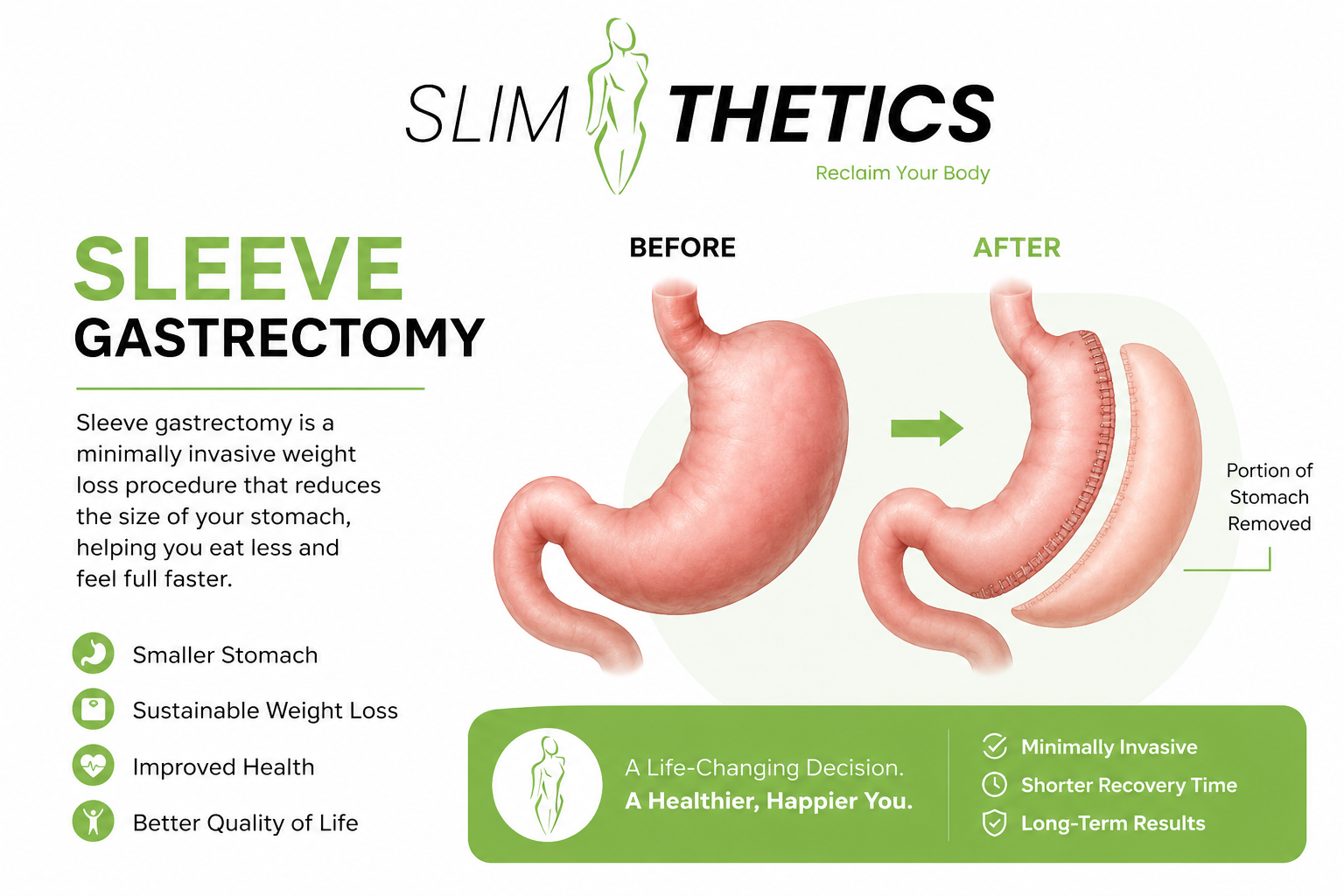
Sleeve gastrectomy is a bariatric surgical procedure designed to help individuals with obesity achieve significant and sustainable weight loss. During the operation, approximately 70–80% of the stomach is removed, leaving behind a narrow, sleeve-shaped stomach. This smaller stomach limits food intake and reduces the production of hunger hormones, making it easier to maintain healthier eating habits.
How the Procedure Works
The surgery is commonly performed using minimally invasive laparoscopic techniques, which involve small incisions rather than one large incision. This approach generally results in less pain, reduced scarring, and quicker recovery compared to traditional open surgery.
Key points:
Removes most of the stomach while preserving normal digestion.
Reduces hunger by lowering ghrelin hormone production.
Helps patients feel full after eating smaller meals.
Recovery extends beyond healing surgical wounds. It involves adapting to new eating habits, increasing physical activity gradually, and attending regular follow-up appointments. Patients who carefully follow medical advice often experience better weight loss results and fewer complications.
Benefits of proper recovery include:
Faster healing.
Lower risk of complications.
Improved nutritional health.
Better long-term weight loss outcomes.
Easier adjustment to lifestyle changes.
Week-by-Week Recovery Timeline
First 24 to 48 Hours After Surgery
The first two days are usually spent in the hospital under medical supervision. Healthcare providers monitor your vital signs, pain levels, hydration, and overall recovery.
Patients are encouraged to walk short distances soon after surgery to improve circulation and reduce the risk of blood clots.
During this period:
Pain is managed with prescribed medication.
Clear liquids are introduced gradually.
Walking begins within hours of surgery.
Medical staff monitor recovery closely.
Week 1: Initial Healing
The first week focuses on rest, hydration, and following the prescribed liquid diet. Fatigue is common, and patients should avoid strenuous activities.
Most discomfort improves steadily during this stage.
Important recommendations:
Drink fluids slowly throughout the day.
Consume protein-rich liquids.
Take medications as instructed.
Walk several times daily.
Avoid lifting heavy objects.
Week 2: Gradual Improvement
By the second week, many patients begin feeling more energetic. Depending on the surgeon's recommendations, pureed foods may be introduced.
Small, frequent meals become essential as the stomach continues healing.
Focus during Week 2:
Continue hydration.
Increase protein intake.
Follow dietary guidelines carefully.
Attend scheduled follow-up appointments.
Weeks 3 to 4: Returning to Daily Activities
Most patients are able to return to office-based work within two to four weeks, depending on the nature of their job and overall health.
Energy levels continue improving, although fatigue after physical activity may still occur.
Returning to Work
Individuals with desk jobs often return sooner than those with physically demanding occupations.
Tips:
Start with lighter responsibilities.
Stay hydrated throughout the day.
Eat small meals regularly.
Avoid prolonged sitting.
Weeks 5 to 8: Building Healthy Habits
During this stage, many patients transition to soft foods and eventually regular healthy meals as recommended by their bariatric team.
Light exercise gradually becomes part of the recovery routine.
Healthy habits include:
Prioritizing lean protein.
Avoiding sugary foods.
Eating slowly.
Chewing thoroughly.
Maintaining hydration.
Three to Six Months After Surgery
By this stage, patients usually experience significant weight loss and improvements in obesity-related medical conditions.
Many people notice increased mobility, improved confidence, and greater energy.
Common improvements may include:
Better blood sugar control.
Lower blood pressure.
Reduced joint pain.
Improved sleep quality.
Increased physical endurance.
Diet Progression After Surgery
Clear Liquid Phase
Immediately after surgery, only clear liquids are allowed to protect the healing stomach.
Examples include:
Water.
Sugar-free electrolyte drinks.
Clear broth.
Sugar-free gelatin.
Full Liquid Phase
As recovery progresses, protein-rich liquids become the primary nutritional source.
Examples include:
Protein shakes.
Low-fat milk.
Blended soups.
Greek yogurt drinks.
Pureed Foods
Soft, smooth foods are introduced gradually.
Examples:
Mashed vegetables.
Pureed chicken.
Cottage cheese.
Scrambled eggs.
Soft Foods
Patients slowly begin eating foods that require gentle chewing.
Common choices include:
Soft fish.
Ground chicken.
Cooked vegetables.
Soft fruits.
Regular Healthy Diet
Eventually, patients transition to a balanced long-term eating plan.
The focus remains on:
Lean protein.
Vegetables.
Fruits.
Whole grains.
Healthy fats.
Exercise During Recovery
Physical activity supports healing and enhances weight loss.
First Month
Walking is usually the recommended exercise.
Benefits include:
Better circulation.
Improved digestion.
Reduced risk of blood clots.
Increased energy.
After Medical Clearance
Patients may gradually begin:
Strength training.
Swimming.
Cycling.
Low-impact aerobics.
Always increase exercise intensity gradually under medical guidance.
Common Recovery Challenges
Recovery varies among individuals, and some temporary challenges are expected.
These may include:
Mild nausea.
Fatigue.
Constipation.
Temporary food intolerance.
Emotional adjustment.
Most of these issues improve as healing progresses and healthy habits become established.
Warning Signs That Need Medical Attention
Although complications are uncommon, patients should seek immediate medical care if they experience:
Persistent fever.
Severe abdominal pain.
Difficulty breathing.
Continuous vomiting.
Excessive bleeding.
Rapid heartbeat.
Signs of dehydration.
Prompt medical evaluation helps prevent serious complications.
Tips for Faster Recovery
Successful recovery requires commitment to both medical advice and lifestyle changes.
Follow Your Diet Plan
Eating according to your surgeon's instructions protects the healing stomach and supports weight loss.
Stay Hydrated
Drink enough water throughout the day while avoiding drinking during meals.
Prioritize Protein
Protein supports tissue healing and helps preserve muscle mass.
Take Prescribed Supplements
Vitamin and mineral supplementation prevents nutritional deficiencies after surgery.
Attend Follow-Up Visits
Regular appointments allow your healthcare team to monitor progress and address concerns early.
Stay Active
Gradually increasing physical activity promotes better recovery and long-term health.
Long-Term Success After Sleeve Gastrectomy
Surgery is a powerful tool, but lasting results depend on healthy lifestyle habits.
Patients who consistently follow nutritional guidelines, remain physically active, attend follow-up appointments, and maintain realistic expectations are more likely to achieve sustainable weight loss and improved overall health.
Long-term commitment often leads to:
Better physical fitness.
Reduced obesity-related diseases.
Improved emotional well-being.
Greater confidence.
Enhanced quality of life.
Frequently Asked Questions
How long is hospital stay after sleeve gastrectomy?
Most patients remain in the hospital for one to two days, depending on their recovery.
When can I return to work?
Office workers often return within two to four weeks, while physically demanding jobs may require additional recovery time.
When can I eat normal food again?
Most patients gradually transition to regular healthy foods within six to eight weeks, following their surgeon's recommendations.
Is pain normal after surgery?
Mild to moderate discomfort is expected during the first few days and usually improves steadily with appropriate pain management.
How much weight can I lose?
Weight loss varies depending on individual factors, but many patients lose a significant percentage of their excess body weight within the first year when following recommended lifestyle changes.
Conclusion
Recovering from sleeve gastrectomy is a gradual process that requires patience, commitment, and proper medical guidance. While most patients return to daily activities within a few weeks, complete recovery and long-term success depend on adopting healthier eating habits, staying active, attending follow-up visits, and following professional recommendations. Understanding each stage of recovery allows patients to prepare confidently for a healthier future and maximize the benefits of weight loss surgery.
If you're considering weight loss surgery and want expert guidance throughout every step of your journey, Slimthetics Clinic offers comprehensive bariatric care with personalized treatment plans, advanced surgical techniques, and dedicated post-operative support. Our experienced team is committed to helping you achieve safe, sustainable weight loss and long-term wellness through compassionate, patient-focused care. Schedule a consultation with Slimthetics Clinic to explore whether sleeve gastrectomy is the right option for you.



 About SPORTIVO Network

 Czech
Czech
 English
 French
 Spanish
 Portuguese
 Deutsch
 Turkish
 Dutch
Dutch
 Italiano
 Russian
 Romaian
 Portuguese (Brazil)
 Greek
Greek