


 About SPORTIVO Network
What to Look for When Buying Hawaiian Kona Coffee Beans
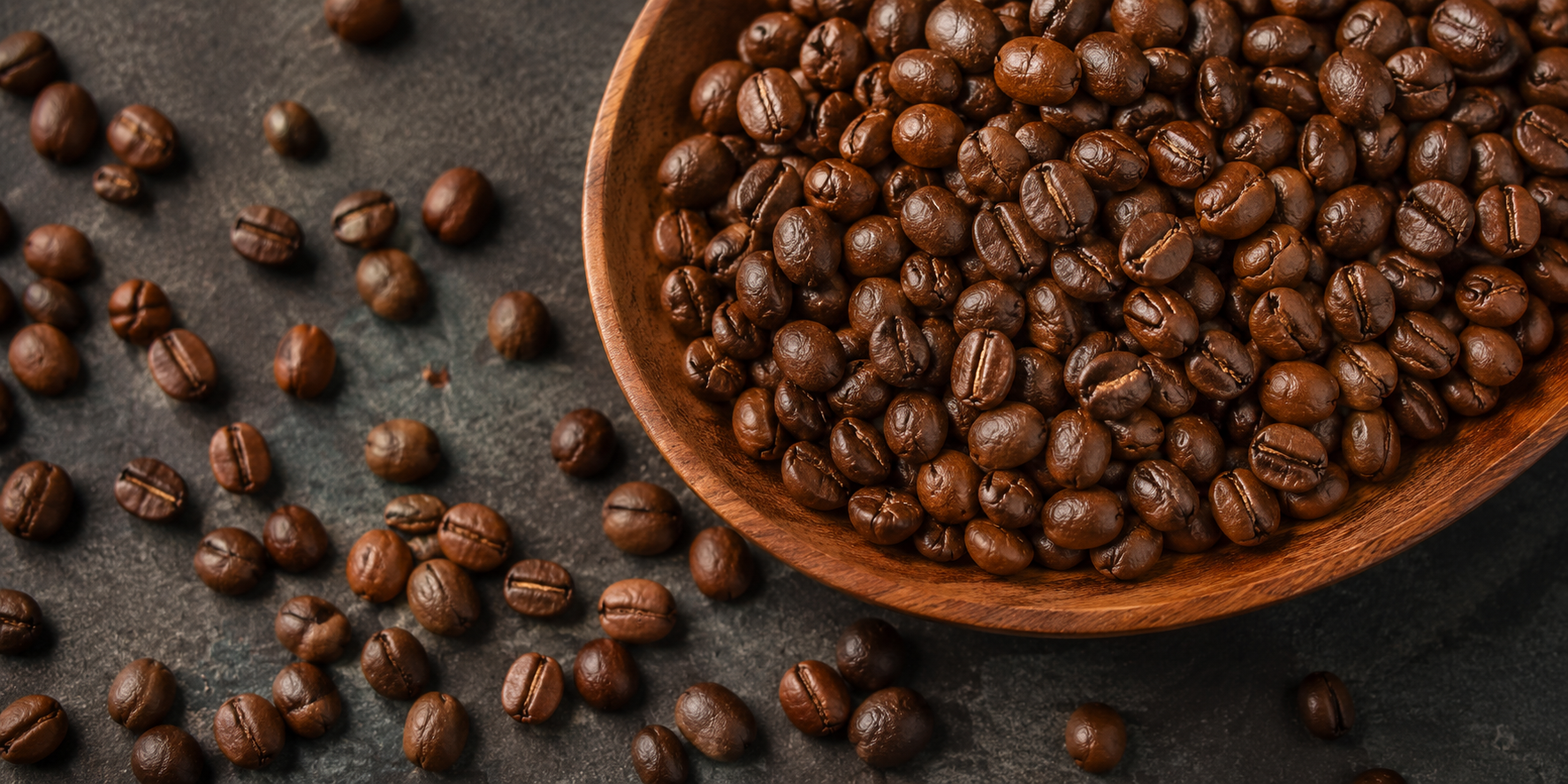
When it comes to luxury specialty coffees, few names carry as much prestige as the coffee cultivated on the volcanic slopes of Hawaii. Coffee lovers worldwide seek out this specific bean for its unparalleled smoothness, low acidity, and remarkably rich flavor profile. However, navigating the marketplace can be tricky because not every bag labeled with this famous origin contains the pure, unadulterated experience you deserve.
To help you make an informed investment, we have put together the ultimate resource for evaluating your choices. From understanding regional microclimates to identifying real quality designations, this article will walk you through the essential factors to consider before purchasing your next bag.
For those seeking the pinnacle of flavor, sourcing authentic Hawaiian Kona coffee beans directly from award winning single estates like Buddha's Cup ensures a truly exceptional, unblended experience. By focusing on single origin production, you can savor the authentic notes of floral, honey, and vanilla that define the true spirit of the Big Island. Let us dive into what makes these premium selections so unique and how you can select the absolute best options available online today.
The Unique Microclimate of the Big Island
The distinctive flavor profile of premium island coffee is completely tied to its geographical origin. The designated growing region is remarkably small, spanning a narrow strip of land on the western slopes of Hualalai and Mauna Loa. Here, the unique environmental factors provide the absolute perfect conditions for Arabica Typica trees to thrive.
During the morning hours, bright tropical sunshine warms the volcanic slopes, encouraging steady plant growth. By afternoon, regular cloud cover rolls in, providing natural shade that protects the delicate cherries from intense heat. This daily cycle, combined with regular evening showers and well-draining volcanic soil, allows the cherries to mature slowly, concentrating the sugars and developing deep complexity.
Decoding the Importance of 100 Percent Purity
One of the most critical challenges buyers face is distinguishing between pure estate crops and generic supermarket blends. Many commercial brands take advantage of relaxed labeling laws by mixing a tiny fraction of authentic beans with cheaper, low grade commercial filler beans from other countries.
When you purchase a cheap commercial blend, you are missing out on the genuine characteristics of the origin. To experience the smooth body and exquisite floral aroma that won international acclaim, you must always look for labels explicitly stating absolute purity. Choosing a verified single origin estate guarantees that every single bean in your bag was grown, harvested, and processed right within the designated agricultural zone.
Understanding the Official Grading System
The Hawaii Department of Agriculture maintains strict quality standards to classify harvested crops based on size, moisture content, shape, and perfection. Familiarizing yourself with these official tiers will instantly help you determine the quality and value of what you are purchasing.
The top tier designations include Extra Fancy, Fancy, Number One, and Prime. Extra Fancy represents the absolute largest, most flawless beans with zero structural defects, yielding an incredibly clean, uniform cup. As you move down the grading scale, the bean size changes slightly, but the meticulous sorting process ensures that even the standard Prime grade outshines standard commercial coffees.
The Rare Allure of Peaberry Coffee
While standard coffee cherries contain two flat seeds, a natural mutation occurs in roughly five percent of the harvest, resulting in a single, round seed known as a peaberry. Because this single bean absorbs all the nutrients inside the cherry, it develops a highly concentrated, robust flavor profile.
Connoisseurs frequently refer to these small, round beans as the champagne of the coffee world. They are highly sought after for their dense structure, which allows for exceptionally even roasting. Choosing an estate grown selection of these rare gems delivers a full bodied brew with heightened sweetness and a remarkably crisp finish.
The Role of Air Roasting in Preserving Flavor
The method used to roast these delicate beans plays a massive role in the final taste experience in your kitchen. Traditional drum roasters can sometimes scorch the outer skin of the bean, leading to bitter or smoky undertones that mask the natural notes of the crop.
Advanced air roasting technology utilizes a floating bed of hot air to roast each bean evenly without touching hot metal surfaces. This precise technique gently coaxes out the delicate floral, honey, and vanilla tasting notes while eliminating chaff before it can burn. The result is a remarkably clean, smooth cup of coffee that highlights the hard work put into the cultivation process.
How Processing Methods Influence the Final Cup
Before the beans reach the roaster, the processing method shapes their fundamental taste characteristics. The traditional washed method removes the fruit pulp before drying, resulting in a bright, clean cup with crisp acidity and pronounced floral highlights.
Conversely, the natural or dry process allows the coffee seed to dry completely inside the whole fruit cherry. This method allows the natural sugars of the pulp to infuse into the bean, producing a heavy body, low acidity, and a complex, sweet flavor profile reminiscent of deep fruit and cherry blossom. Exploring both processing styles allows you to discover which alignment fits your personal palate best.
Why High Mountain Single Estates Stand Out
When searching for the finest quality, focusing on single estate producers is the gold standard. Single estate means the coffee is grown, harvested, processed, and packed on a single family farm rather than being pooled together from dozens of different sources.
High mountain estates located near ancient forests benefit from unique shade conditions and cooler temperatures, which slow down the maturation process even further. This dedication to estate agriculture allows for strict quality control at every stage, ensuring that award winning traditions are preserved from the volcanic soil all the way to your morning cup.
Tips for Ensuring Ultimate Freshness
Because premium specialty coffee is an investment in luxury flavor, protecting your purchase from staling is crucial for maximizing your enjoyment. Oxygen, light, moisture, and heat are the primary enemies of roasted coffee oils.
Always buy whole bean coffee instead of pre ground varieties, as grinding exposes more surface area to oxygen, causing rapid flavor loss. Store your beans in an airtight container with a one way valve, keeping them in a dark pantry rather than the refrigerator or freezer. For the best sensory experience, grind your beans fresh right before brewing using a high quality burr grinder.
Choosing the Right Roast for Your Palate
Selecting the ideal roast level depends entirely on the flavor attributes you prefer to highlight during your morning ritual. A medium roast is highly recommended for newcomers because it strikes a flawless balance between origin characteristics and smooth body.
If you enjoy bright, bright floral notes and higher complexity, a lighter roast will bring those environmental elements to the forefront. For those who prefer a deep, rich, and velvety mouthfeel with hints of dark chocolate, a medium dark or dark roast provides a bold brewing experience without sacrificing the inherent smoothness of the bean.
Ethical and Sustainable Farming Practices
Sustaining the land for future generations is a core philosophy among the top tier growers in Hawaii. Leading estates implement biodynamic farming and sustainable agricultural practices to keep the volcanic soil healthy and vibrant.
By supporting family owned farms that prioritize environmental stewardship, you are contributing directly to the preservation of these unique agricultural zones. Ethical farming not only protects the surrounding native forests but also ensures that the coffee trees remain healthy, resilient, and capable of producing award winning crops for decades to come.
FAQs
What is the difference between a Kona blend and 100 percent pure coffee?
A blend often contains only ten percent authentic beans mixed with cheaper, lower quality commercial imports. A pure product consists entirely of certified beans grown exclusively within the specific regional boundary, offering the true flavor profile of the volcanic terrain.
Why are some coffees labeled as Peaberry more expensive?
Peaberry beans are a rare natural mutation occurring in only about five percent of the total harvest where a cherry produces a single round bean. They require specialized sorting and possess a highly concentrated flavor and uniform roasting quality, making them highly prized.
How should I brew this premium coffee to get the best taste?
Using a pour over cone or a French press is highly recommended to extract the delicate flavors. Ensure you use filtered water just off the boil and grind your whole beans immediately before brewing with a quality burr grinder.
What does the term Extra Fancy mean on the label?
Extra Fancy is the highest official grade awarded by the Hawaii Department of Agriculture based on bean size and cleanliness. It indicates the largest beans with the fewest structural defects, resulting in an exceptionally clean and uniform cup.
Should I store my coffee beans in the freezer to keep them fresh?
No, storing beans in the freezer introduces moisture and condensation when the bag is opened, which ruins the delicate oils. Keep your whole beans in an airtight container with a one way valve in a cool, dark pantry.

 Czech
Czech
 Arabic
 French
 Spanish
 Portuguese
 Deutsch
 Turkish
 Dutch
Dutch
 Italiano
 Russian
 Romaian
 Portuguese (Brazil)
 Greek
Greek