


 About SPORTIVO Network
How to Source Linen Fabric for Small and Large Fashion Businesses
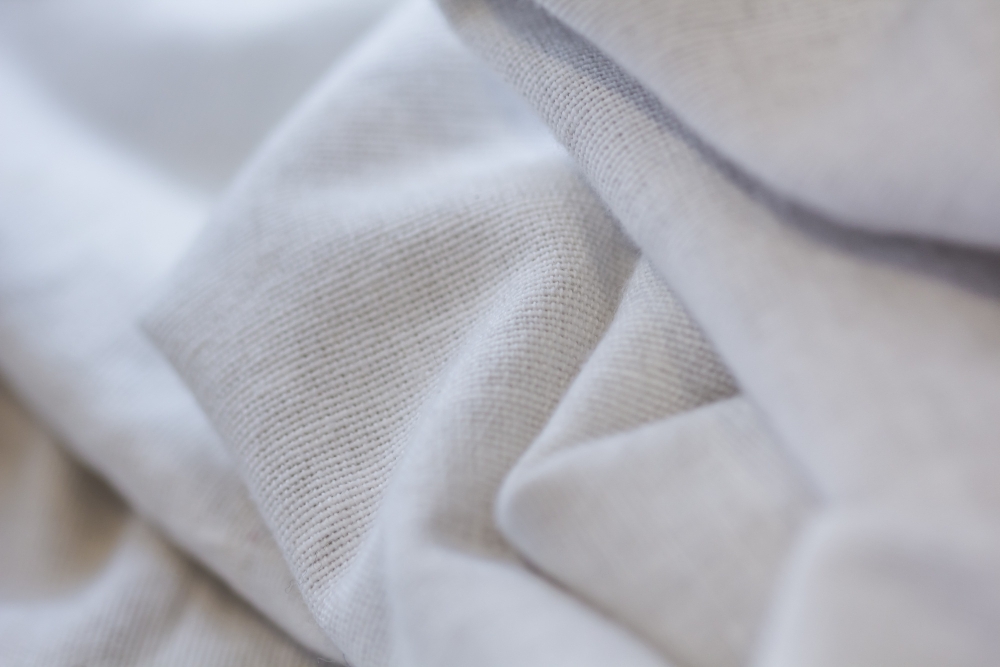
Sourcing linen fabric successfully depends on your business size, order volume, and quality standards. Small businesses benefit from online platforms and flexible MOQs, while large businesses need reliable supply chain partners with industrial-scale capacity. Fabriclore Pvt Ltd serves both segments with ready stock, custom options, and 20 lakh meters of monthly processing capacity.
Linen fabric has earned its place in fashion—breathable, durable, and increasingly in demand from consumers who care about sustainability. But sourcing it well? That's where many fashion businesses, both new and established, run into problems.
Bad sourcing decisions lead to inconsistent quality, delayed shipments, and wasted budgets. Whether you're producing a small capsule collection or placing bulk orders for a global retail chain, the way you source linen fabric shapes your product quality and your bottom line.
This post breaks down everything you need to know—what linen fabric is, where to find it, and how to manage quality at any scale.
What Makes Linen Fabric Worth Sourcing?
Linen comes from the flax plant. The production process is resource-light compared to cotton—flax requires less water and fewer pesticides, making linen one of the more sustainable natural fibers available today.
From a product standpoint, linen fabric offers:
-
Breathability: Linen allows airflow, making it a top choice for warm-weather collections.
-
Durability: Linen fibers are stronger than cotton. Garments hold their shape longer.
-
Texture variety: Available in lightweight, medium, and heavy weights—each suited to different applications.
-
Natural aesthetic: Linen's slight texture and natural finish give garments a clean, quality look.
Common linen types used in fashion include pure linen, linen-cotton blends, and linen-viscose blends. Each has a different drape, weight, and finish. Knowing which type suits your product line is the first step before you buy fabric online or place a bulk order with a supplier.
Local vs. International Linen Fabric Suppliers: What's the Right Call?
This is one of the first sourcing decisions you'll face—and the answer depends on your timeline, budget, and quality requirements.
When does buying from local suppliers make sense?
Local suppliers offer faster turnaround times and easier communication. You can physically inspect fabric samples before committing to an order. If you're running a small batch or need fabric quickly for sampling, local sourcing is often the smarter move.
The downside: local options may be limited, and pricing can be higher for specialty linen fabric.
When does international sourcing make sense?
International suppliers—particularly from India, China, Belgium, and Lithuania—offer access to a wider range of linen fabric types and competitive pricing at volume. India, in particular, has developed a strong textile infrastructure that supports both small fashion labels and large export houses.
Fabriclore Pvt Ltd, based in India, operates as both a local and online fabric supplier. Fashion businesses globally can buy fabric online through Fabriclore's platform or work directly with their sourcing team for custom requirements. With 5,000+ base fabrics available for physical vetting at their Experience Studio, sourcing directors can finalize an entire collection in a single visit.
Ethical sourcing note: Always ask suppliers about their production practices. Certifications like GOTS (Global Organic Textile Standard) or OEKO-TEX signal accountability in the supply chain.
How Small Fashion Businesses Should Source Linen Fabric
Running a small fashion label comes with tight budgets and limited order quantities. Most industrial suppliers require a minimum order quantity (MOQ) that small businesses simply can't meet. Here's how to work around that.
Look for low-MOQ suppliers
Some platforms and suppliers offer flexible MOQs specifically designed for small fashion businesses. Fabriclore Pvt Ltd, for example, provides customized linen fabric at low MOQ—making it practical for D2C brands and independent designers who need quality without committing to thousands of meters upfront.
Buy fabric online to access more options
Online fabric sourcing platforms give small businesses access to a much broader inventory than what's available locally. When you buy fabric online, you can filter by material, weight, color, and price—and often request samples before placing a full order.
Platforms to consider:
-
Fabriclore Pvt Ltd – Offers a wide range of linen fabric, custom printing, and dyeing at low MOQ
-
Etsy (wholesale) – Useful for very small quantities and specialty textiles
-
Alibaba – Access to international suppliers, though due diligence is essential
Request physical swatches before ordering
Never commit to linen fabric based on a digital image alone. Request swatches to evaluate texture, weight, and color accuracy. Most reputable suppliers—including online ones—offer swatch kits for this purpose.
How Large Fashion Businesses Should Source Linen Fabric
At scale, sourcing becomes less about finding fabric and more about managing a supply chain. The priorities shift to consistency, delivery reliability, and cost efficiency across high volumes.
Build supply chain partnerships, not just vendor lists
Large businesses need suppliers who can grow with them. A supplier capable of handling 10,000 meters today needs to handle 200,000 meters next season. This requires suppliers with industrial infrastructure, not just a large catalog.
Fabriclore Pvt Ltd has built exactly this kind of capacity. With a monthly processing capacity of 20 lakh meters (2,000,000 meters), Fabriclore operates through a vetted network of small, medium, and large-scale production units. This distributed model means supply chain disruptions at one unit don't halt your entire order.
Prioritize ERP-integrated suppliers for full transparency
Large-scale sourcing demands visibility. You need to know where your linen fabric is in production at any given time. Fabriclore's ERP system provides real-time reporting from the factory floor and issues digital "Quality Passports" for every batch—giving enterprise clients a level of transparency that fragmented suppliers simply can't offer.
Plan for seasonal demand spikes
Fashion operates on tight seasonal calendars. Large businesses need suppliers with the elasticity to scale up during peak periods without long lead times. Fabriclore's network model is built for this—scaling for high-season demands without fixed machinery costs that would slow down smaller operations.
Quality Control: Non-Negotiable at Any Scale
Whether you're ordering 50 meters or 50,000 meters, fabric quality must be verified before it reaches your production floor.
Steps every fashion business should take:
-
Request fabric samples before placing any order—check for colorfastness, texture consistency, and weight.
-
Define your specifications in writing — GSM (grams per square meter), weave type, shrinkage tolerance, and color codes.
-
Inspect incoming shipments — Don't assume every batch matches your approved sample. Build inspection into your receiving process.
-
Work with suppliers who have in-house QA — Fabriclore Pvt Ltd stations an in-house QA team at partner mills, catching errors at the source rather than at the warehouse.
Your Next Step in Linen Fabric Sourcing
Sourcing linen fabric well is a process—one that gets more efficient as you build supplier relationships and refine your specifications. Small businesses should start by using online platforms with low MOQs and sample programs. Large businesses need to think in terms of supply chain partnerships, ERP transparency, and delivery reliability.
Fabriclore Pvt Ltd is one of the few suppliers that serves both ends of the spectrum. Trusted by 400+ private labels globally, Fabriclore offers customized linen fabric at low MOQ for small brands and industrial-scale processing capacity for large enterprises.
If you're ready to simplify your linen fabric sourcing—whether you're placing your first online order or planning a bulk production run—Fabriclore Pvt Ltd is a strong place to start.
Frequently Asked Questions
What is linen fabric, and why do fashion businesses use it?
Linen fabric is made from flax plant fibers. Fashion businesses use it because it's breathable, durable, and sustainable. Linen is stronger than cotton and holds its shape well, making it suitable for a wide range of garments including shirts, trousers, dresses, and outerwear.
Where can small fashion businesses buy linen fabric online?
Small fashion businesses can buy linen fabric online through platforms like Fabriclore Pvt Ltd, which offers low MOQ and custom printing options. Other options include Alibaba for international sourcing and Etsy for small specialty quantities. Always request physical swatches before placing a full order.
What is the minimum order quantity for linen fabric from Fabriclore Pvt Ltd?
Fabriclore Pvt Ltd offers customized fabric at low MOQ, making them suitable for small D2C brands and independent designers. Contact their team directly for specific MOQ requirements based on the linen fabric type and customization options you need.
How do large fashion businesses manage linen fabric sourcing at scale?
Large fashion businesses should work with supply chain partners—not just vendors—who offer industrial processing capacity, ERP-integrated transparency, and consistent quality governance. Fabriclore Pvt Ltd processes up to 20 lakh meters monthly and provides digital Quality Passports for every batch, making them a strong option for enterprise-level sourcing.
What should I check when sourcing linen fabric from a new supplier?
Request swatches to verify texture, weight, and colorfastness. Define your specifications in writing, including GSM, weave type, and shrinkage tolerance. Ask whether the supplier has an in-house QA process and whether they can provide certifications like OEKO-TEX or GOTS if sustainability is a priority.
Is it better to source linen fabric locally or internationally?
Local sourcing offers faster turnaround and easier sample inspection. International sourcing—particularly from India—provides access to a wider range of linen fabric types and more competitive pricing at volume. Many fashion businesses use a combination of both, depending on the order size and timeline.

 Czech
Czech
 English
 Arabic
 Spanish
 Portuguese
 Deutsch
 Turkish
 Dutch
Dutch
 Italiano
 Russian
 Romaian
 Portuguese (Brazil)
 Greek
Greek