


 About SPORTIVO Network
A Deep Dive into Hybrid Water Softening Systems for Your Home
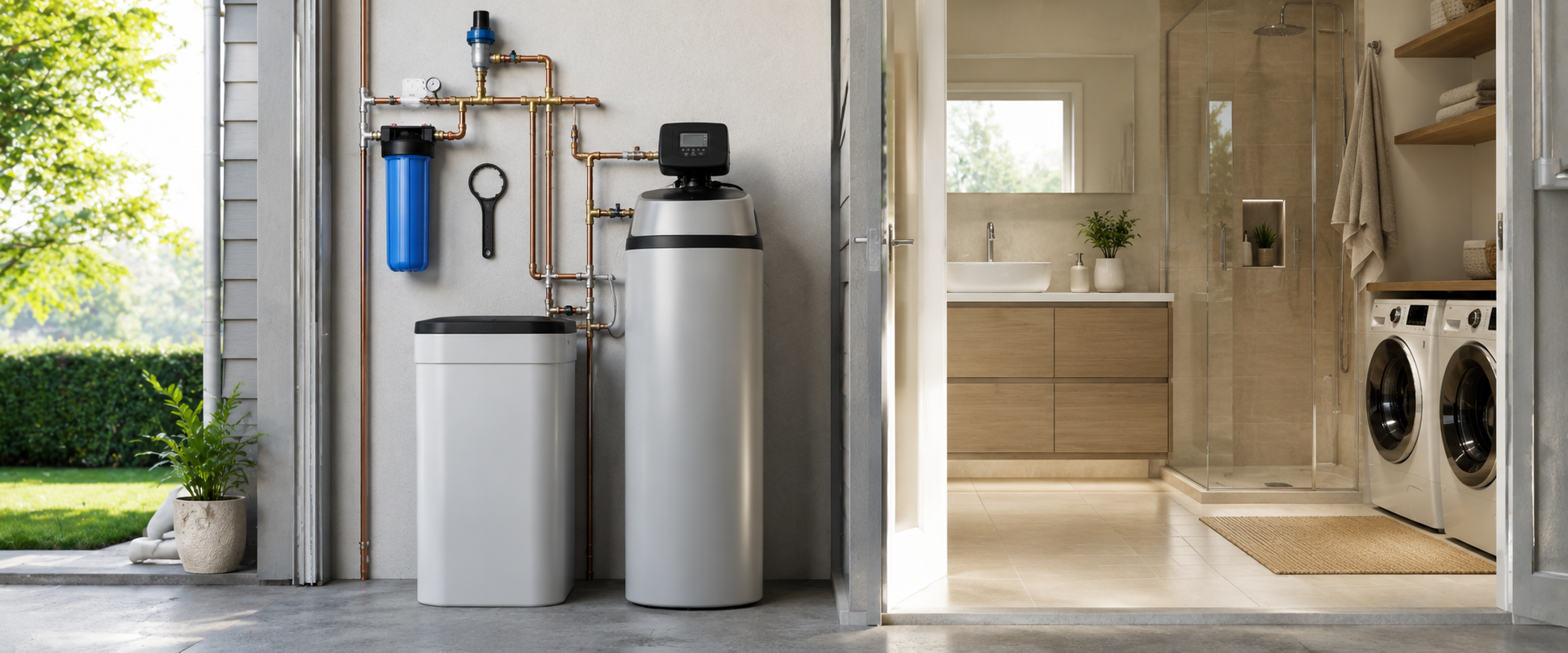
Access to clean water is a fundamental requirement for every household. Many homeowners face multiple water quality issues at the same time, such as hard mineral accumulation and unpleasant chemical tastes. Managing these issues usually requires installing several heavy systems that take up significant space in your garage or basement.
Understanding how modern technology combines these treatment steps can help you make an informed choice for your home infrastructure. Investing in a multi purpose system ensures that every faucet delivers clean water while protecting your plumbing.
Modern households often look for compact and high efficiency options to manage their water quality. Upgrading your property with a residential hybrid water softener allows you to resolve mineral hardness and chemical contamination using a single piece of equipment. This integrated approach reduces the overall footprint of your utilities while cutting down on routine maintenance needs.
Understanding Water Hardness and Contamination
Hard water contains elevated levels of dissolved calcium and magnesium minerals collected from natural ground deposits. When this water enters your plumbing infrastructure, the minerals crystallize and form a rock hard crust inside pipes and water heaters. This scale accumulation narrows the pathways for water flow and forces appliances to work harder to maintain temperature.
Apart from mineral issues, municipal treatment plants often add chlorine or chloramines to disinfect the water supply during transit. While essential for public health, these chemical additives often leave behind a harsh medicinal taste and strong odor. High levels of chlorine can also dry out skin, irritate eyes, and accelerate the degradation of rubber seals inside household fixtures.
How Hybrid Systems Treat Your Water
A dual purpose system utilizes a structured setup to target both chemical impurities and dissolved mineral ions within one single tank. Water enters from the main supply line and passes through a specialized top layer of activated catalytic carbon. This filtration medium attracts and traps chlorine, chloramines, VOCs, and organic compounds that alter taste and smell.
Once the water flows past the carbon layer, it enters a high capacity ion exchange resin bed sitting directly below. The resin beads hold a charge that attracts calcium and magnesium ions while releasing harmless sodium or potassium ions. This sequential process delivers treated water that is completely soft and clear of chemical tastes before it distributes to your taps.
Key Benefits of Combining Filtration and Softening
Integrating your water treatment devices simplifies home maintenance by eliminating the need to monitor multiple independent control units. Traditional setups require separate backwash cycles for the filter and the softener, leading to significant water use over time. A consolidated system optimizes the cleaning cycles to process both media beds simultaneously using less salt and water.
Protecting your plumbing investment from chemical corrosion and scale accumulation extends the operating life of your appliances. Dishwashers and water heaters run much more efficiently when they are completely free from heavy insulating layers of scale. Furthermore, filtered water prevents scale stains on glassware and eliminates the skin irritation caused by residual chlorine.
System Overview at a Glance
| Feature / Benefit | Standard Water Softener | Standalone Carbon Filter | Residential Hybrid System |
| Eliminates Hard Scale | Yes | No | Yes |
| Removes Chlorine & Odors | No | Yes | Yes |
| Physical Footprint | Medium (Two Tanks) | Medium (Two Tanks) | Compact (One Tank) |
| Maintenance Frequency | Monthly Salt Checks | Regular Filter Changes | Monthly Salt Checks Only |
| Water & Salt Efficiency | Standard | N/A | High (Optimized Cycles) |
Selecting the Right Unit for Your Household
Choosing an ideal system requires analyzing the specific water quality metrics of your incoming utility or private well line. A professional water analysis measures the exact grains per gallon of hardness along with the parts per million of specific chemical contaminants. Matching these exact figures to the capacity of your treatment unit ensures optimal performance and prevents premature media exhaustion.
Household size and peak water demand also play a massive role in choosing the correct valve size and tank diameter. A home with multiple bathrooms requires a system with a high flow rate to maintain steady water pressure when multiple faucets run simultaneously. Advanced digital control heads track your actual daily usage to trigger regeneration only when necessary, maximizing efficiency.
Key Takeaways for Homeowners
-
Space-Saving Footprint: Combining filtration and softening media into a single tank eliminates the clutter of multiple large appliances in your utility room.
-
Dual-Action Protection: The top layer of catalytic carbon removes harsh chemical disinfectants and odors, while the bottom resin layer completely neutralizes hard water minerals.
-
Lower Operating Costs: Integrated systems trigger self-cleaning cycles based on actual water consumption, reducing overall salt and wastewater usage compared to running two separate systems.
-
Extended Appliance Lifespan: Removing both scale-building minerals and corrosive chlorine protects internal plumbing, water heaters, dishwashers, and laundry units from early failure.
-
Simplified Upkeep: Maintenance is streamlined down to periodically adding salt or potassium pellets, with no separate cartridge filters to manually swap out every few months.
Installation and Long Term Maintenance
Mounting a comprehensive water treatment system requires connecting directly to the main water line before it splits into the water heater. Installers set up a dedicated bypass valve to allow you to divert water for external uses like watering the lawn or filling a pool. Proper placement ensures that all internal household plumbing receives the full benefit of soft, filtered water.
Maintenance for an integrated system is exceptionally straightforward compared to managing multiple separate filtration housings. Homeowners simply need to check the salt storage brine tank periodically and add high quality salt pellets when levels drop. The internal carbon and resin media beds are designed to self clean through automated backwashing, providing reliable service for years.
Frequently Asked Questions
What makes a hybrid water system different from a standard softener?
A standard softener focuses exclusively on removing calcium and magnesium ions to eliminate hard water scale from plumbing. A hybrid system includes an additional layer of advanced catalytic carbon that filters out chlorine, chloramines, and chemical odors. This design provides the functionality of a whole house filter and a water softener within one space saving tank.
How often does the filtration media inside the system need to be replaced?
The high capacity ion exchange resin and specialized carbon media beds are designed to last for several years with regular automated backwashing. The exact lifespan depends heavily on your daily water consumption and the initial concentration of contaminants in your water supply. Many premium systems provide reliable filtration for a long time before requiring a media top off or replacement.
Will installing an integrated system lower the water pressure in my home?
High quality systems feature professional digital control valves designed to maintain excellent flow rates even during peak household usage times. Choosing a system properly sized for your home plumbing configuration ensures that you will not experience noticeable drops in pressure. The system treats the water continuously as it flows directly through the main supply line.
Can this type of system run effectively using a salt substitute?
Yes, homeowners who prefer to avoid sodium can use potassium chloride pellets in the brine tank instead of traditional water softener salt. Potassium chloride works perfectly within the ion exchange resin bed to remove hard minerals without adding any sodium to your water supply. The chemical filtration process through the carbon layer remains completely unaffected by your choice of regenerant.
Is a hybrid system suitable for homes that get water from a private well?
These systems are ideal for treating municipal city water that contains hard minerals alongside chemical disinfectants like chlorine. Private well water often requires specialized treatment for high levels of iron, manganese, or sulfur odors depending on local geography. A professional water test will determine if a hybrid unit or a specialized well water filtration system is best for your property.

 Czech
Czech
 English
 French
 Spanish
 Portuguese
 Deutsch
 Turkish
 Dutch
Dutch
 Italiano
 Russian
 Romaian
 Portuguese (Brazil)
 Greek
Greek