


 About SPORTIVO Network
The Evolution of Play: Key Trends Shaping the Global Smart Toys Market
The Rise of Personalization and Adaptive Play
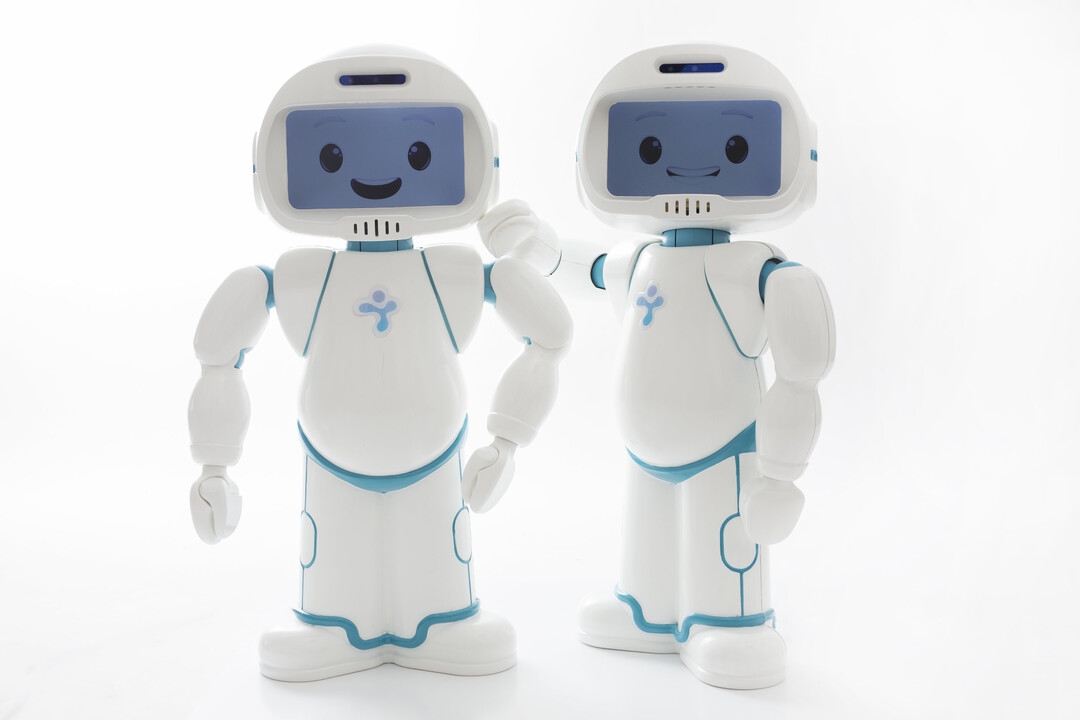
One of the most exciting and significant trends in the toy industry is the move towards truly personalized and adaptive play experiences, a core feature of the most advanced smart toys. A close look at current Smart Toys Market Trends reveals a shift from static, one-size-fits-all play patterns to dynamic interactions that cater to an individual child's unique abilities and preferences. This is made possible by the integration of artificial intelligence (AI) and machine learning (ML). An AI-powered educational toy, for instance, can assess a child's performance on a task and automatically adjust the difficulty level, offering more challenging problems as the child's skills improve or providing gentle hints if they are struggling. A conversational smart doll can learn a child's name, remember their favorite color, and adapt its personality and conversation topics based on past interactions. This trend transforms the toy from a simple object into a personalized tutor and companion that grows with the child, dramatically increasing its long-term engagement and play value.
The Convergence of Physical and Digital with Augmented Reality
The line between the physical toy box and the digital screen is becoming increasingly blurry, thanks to the trend of integrating Augmented Reality (AR) into the play experience. Rather than seeing screens as a replacement for physical play, innovative companies are using them as a magic lens to enhance it. This trend involves using the camera on a smartphone or tablet to overlay digital animations, information, and interactive elements onto the real-world view of a physical toy or playset. For example, a child could build a physical LEGO set and then use an app to see digital characters walking around their creation, embarking on missions, and bringing the set to life with stories and sound effects. An AR-enabled globe might allow a child to point a tablet at a country and see 3D models of its landmarks and animals appear. This "mixed reality" approach offers the best of both worlds: it encourages the tangible, hands-on benefits of physical play while leveraging the rich, interactive potential of digital content to create deeper and more immersive narrative experiences.
Subscription Models and Continuous Content Updates
The business model for smart toys is evolving, with a noticeable trend away from a simple one-time hardware purchase towards a more sustainable and long-term service-based relationship. Many smart toys are now designed as platforms that can be continuously updated with new content, features, and play experiences delivered through their companion apps. This trend significantly extends the lifespan and replayability of a toy, preventing it from being quickly discarded as a child grows or becomes bored. To support this, some companies are adopting subscription models. A parent might pay a monthly or annual fee to unlock a premium tier of content, such as new educational lessons for a coding robot, new stories and games for an interactive doll, or new worlds and characters for a toys-to-life game. This "Toy-as-a-Service" model provides manufacturers with a predictable, recurring revenue stream and incentivizes them to keep investing in fresh content, ensuring the toy remains engaging and valuable to the child over a much longer period.
A Growing Focus on Sustainability and Longevity
As consumer awareness around environmental issues grows, a powerful trend in the smart toys market is the increasing focus on sustainability. This addresses a key criticism of electronic toys: the problem of e-waste. Manufacturers are responding in several ways. On the materials side, there is a push to use more recycled plastics and other eco-friendly materials in the construction of the toys themselves. More strategically, the very nature of smart toys offers a solution to the problem of short product lifecycles. Because a smart toy's play experience is largely defined by its software, its lifespan can be dramatically extended through over-the-air updates. A toy that might have been outgrown in a year can remain fresh and challenging for several years with the addition of new software-driven games, stories, and educational content. This trend repositions the smart toy not as a disposable gadget, but as a long-term play platform, which not only provides better value for the consumer but also helps to mitigate the environmental impact of the toy industry.
Top Trending Reports:

 Czech
Czech
 Arabic
 French
 Spanish
 Portuguese
 Deutsch
 Turkish
 Dutch
Dutch
 Italiano
 Russian
 Romaian
 Portuguese (Brazil)
 Greek
Greek