


 About SPORTIVO Network
Heel Bumps Treatment: Expert Care from an Orthopaedic Ankle Specialist in Bristol
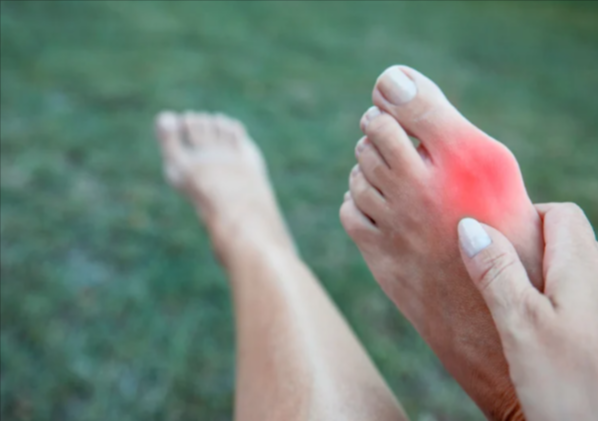
A painful bump at the back of the heel can make walking, exercising, and even wearing everyday shoes uncomfortable. Many people dismiss the problem as a minor irritation, but a heel bump may indicate an underlying foot or ankle condition that requires specialist assessment. Whether caused by a bony enlargement, inflammation, or irritation of the Achilles tendon, early diagnosis is essential for preventing ongoing discomfort and improving mobility. Seeking professional heel bumps treatment from an experienced Orthopaedic Ankle Specialist in Bristol can help identify the exact cause of your symptoms and provide the most appropriate treatment to restore comfort and function.
Mr Pavel Akimau specialises in diagnosing and treating complex foot and ankle conditions, offering personalised care based on each patient's symptoms, lifestyle, and recovery goals.
What Are Heel Bumps?
A heel bump is a noticeable swelling or bony prominence that develops at the back of the heel. In many cases, it is associated with irritation where the Achilles tendon attaches to the heel bone or with pressure from footwear.
Heel bumps may develop gradually and often become more painful if left untreated.
Common Causes
Several conditions can lead to heel bumps, including:
- Haglund's deformity
- Insertional Achilles tendinopathy
- Chronic irritation from footwear
- Repetitive sporting activities
- Tight calf muscles
- Foot structure abnormalities
- Inflammation of surrounding soft tissues
A specialist assessment is important because treatment depends on the underlying cause rather than the bump itself.
Symptoms to Look Out For
Patients commonly experience:
- A hard bump at the back of the heel
- Pain while walking or running
- Swelling around the heel
- Redness caused by shoe friction
- Tenderness when touching the area
- Difficulty wearing closed-back shoes
- Stiffness after periods of rest
Symptoms may gradually worsen if the underlying condition is not treated.
Heel Bumps Treatment Options
Most patients respond well to conservative management.
Treatment may include:
Footwear Modifications
Changing to shoes with softer heel counters or open backs can reduce pressure on the affected area.
Physiotherapy
A structured rehabilitation programme helps improve flexibility, strengthen the surrounding muscles, and reduce stress on the heel.
Custom Orthotics
Prescription orthotics may improve foot mechanics and reduce excessive pressure on the Achilles tendon and heel.
Activity Modification
Reducing high-impact activities temporarily allows inflamed tissues to recover.
Pain Management
Anti-inflammatory medication and other evidence-based pain relief strategies may be recommended where appropriate.
When Is Surgery Needed?
If symptoms continue despite comprehensive conservative treatment, surgery may be considered.
Surgical treatment may involve:
- Removing the bony prominence
- Repairing damaged tendon tissue
- Correcting underlying structural problems
- Relieving pressure around the heel
The decision to proceed with surgery is made following a detailed clinical assessment and discussion with the patient.
Why Choose an Orthopaedic Ankle Specialist in Bristol?
Foot and ankle conditions require specialist expertise to achieve the best possible outcomes.
Patients consulting Mr Pavel Akimau benefit from:
- Comprehensive clinical assessment
- Accurate diagnosis
- Personalised treatment plans
- Evidence-based non-surgical care
- Advanced surgical expertise
- Structured rehabilitation
- Ongoing follow-up and support
Every patient receives an individual treatment plan designed around their symptoms and lifestyle.
Supporting Recovery
Whether treatment is surgical or non-surgical, recovery is an important part of achieving lasting results.
Patients are encouraged to:
- Wear suitable footwear
- Follow rehabilitation exercises
- Gradually increase activity levels
- Maintain calf flexibility
- Attend scheduled follow-up appointments
- Avoid unnecessary strain during healing
These measures support recovery and help reduce the likelihood of future problems.
Frequently Asked Questions
What causes heel bumps?
Heel bumps may result from Haglund's deformity, Achilles tendon problems, repetitive pressure from footwear, or inflammation around the heel.
Can heel bumps disappear without treatment?
Some mild irritation may improve with footwear changes, but persistent or painful heel bumps should be assessed by a specialist.
Is surgery always required?
No. Most patients improve with conservative treatment, and surgery is generally reserved for cases where symptoms persist despite non-surgical care.
When should I see an Orthopaedic Ankle Specialist in Bristol?
You should seek specialist advice if heel pain affects your daily activities, prevents exercise, or continues despite home treatment.
How long does recovery take?
Recovery depends on the underlying condition and treatment provided. Many patients improve over several weeks, while surgical recovery may take several months.
Conclusion
Heel bumps can affect comfort, mobility, and overall quality of life, but effective treatment is available. Early heel bumps treatment helps reduce pain, improve foot function, and prevent symptoms from becoming more severe. By consulting an experienced Orthopaedic Ankle Specialist in Bristol, patients receive an accurate diagnosis and a personalised treatment plan based on their individual needs. With expert care from Mr Pavel Akimau, you can take positive steps towards lasting relief, improved mobility, and a healthier, more active lifestyle.
For more details please visit the website - https://pavelakimau.com/
Call us at - 07934539252 , 01782 432227
Email at - sjukes@protonmail.com
Address - North Staffordshire Hospital Clayton Road, Newcastle-under-Lyme, ST5 4DB

 Czech
Czech
 Arabic
 French
 Spanish
 Portuguese
 Deutsch
 Turkish
 Dutch
Dutch
 Italiano
 Russian
 Romaian
 Portuguese (Brazil)
 Greek
Greek