


 About SPORTIVO Network
Early Detection and Verified Alarm Delivery Save Lives
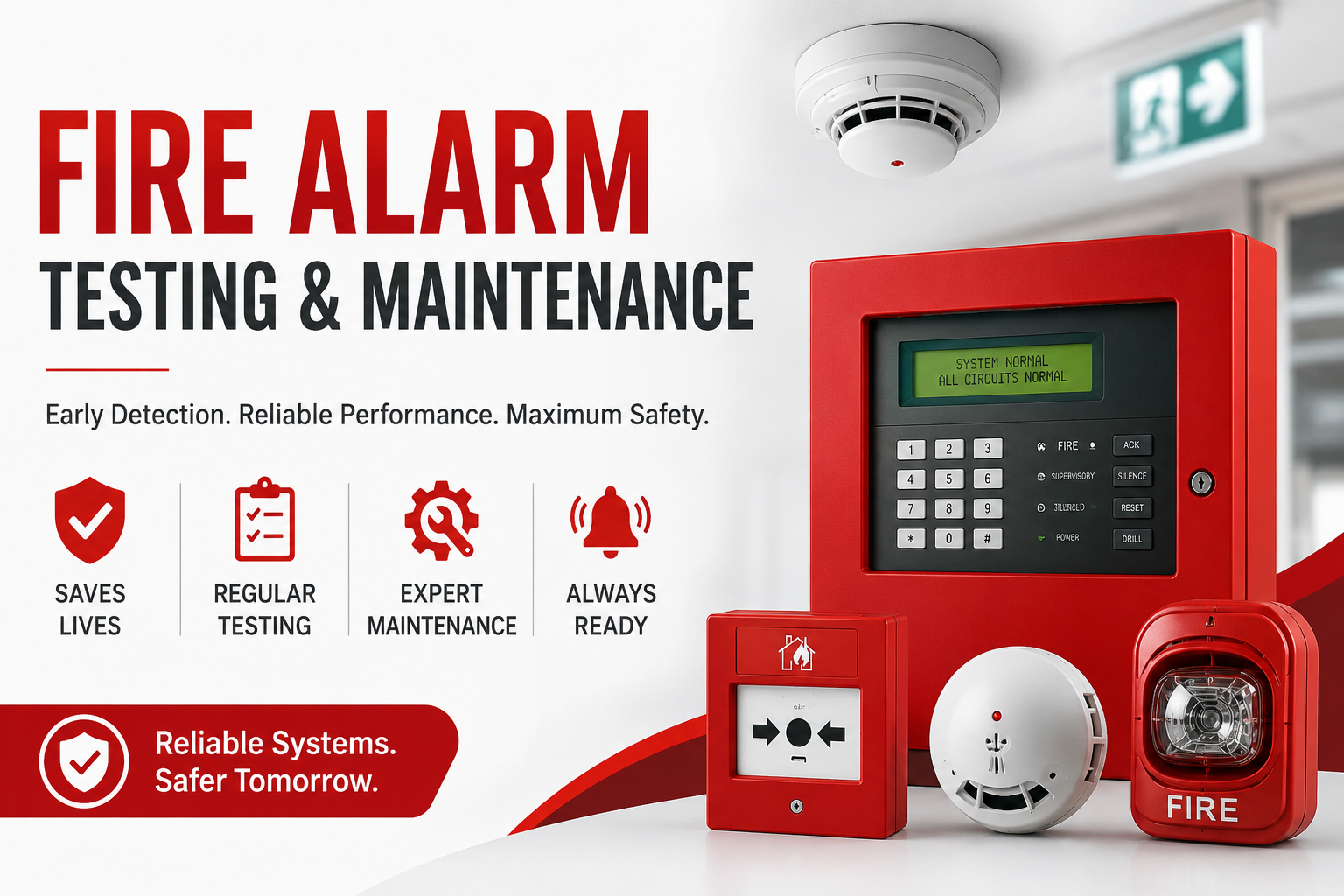
Early detection and verified alarm delivery save lives—so many building owners ask: Can my Fire Alarm System send alerts to my phone? The short answer is yes. Modern panels and gateways can push notifications to mobile devices while still preserving local life-safety functions. Understanding how mobile alerts integrate with supervised panels, battery backup, and central monitoring helps you decide the right architecture for homes, commercial buildings, and critical facilities.
How a Fire Alarm System Normally Communicates
A Fire Alarm System detects fire via smoke, heat, aspirating, or multi-sensor detectors and processes events in a supervised control panel. Local notification (horns, strobes, voice evacuation) and suppression interlocks are deterministic and don’t require a network. Remote communication—central station monitoring, mobile alerts, or cloud services—is layered on top via communication modules using IP, PSTN, or cellular links.
Paths to Mobile Alerts
- Central station + mobile relay: The panel reports to a monitored central station; the central station then triggers SMS, voice, or push notifications to designated contacts according to escalation protocols.
- Direct cloud-enabled panels: Modern cloud-capable panels or gateways send events to a manufacturer cloud, which relays authenticated push notifications to mobile apps and emails for building managers.
- Hybrid solutions: A local gateway translates panel events into secure messages for facility management platforms, which provide mobile alerts and analytics while maintaining local autonomy.
Local-First Safety, Cloud-Second Convenience
Crucially, mobile alerts should be an enhancement—not a dependency. The panel must execute local evacuation and suppression interlocks regardless of network status. Design systems so notification to phones adds situational awareness and faster mobilization of responders or facilities staff, but does not replace on-site life-safety functions.
Key Technical Considerations
- Supervised communications: Telemetry to central stations or clouds must be supervised with heartbeats and trouble reporting. Loss of communication should cause a trouble indication locally and—if monitored—notify the central station.
- Dual-path reporting: For critical facilities, require dual-path reporting (IP + cellular/GSM) to ensure alarm signals and mobile notifications survive internet outages.
- Battery backup for fire alarm system telemetry: Communication modules and gateways must be covered by battery fire alarm systems sized to meet required runtimes so mobile notification capability survives mains loss.
- Event fidelity and filtering: Mobile platforms must suppress nuisance alerts and prioritize verified alarms to avoid alarm fatigue. Use device-level data from addressable systems to provide meaningful notifications (device location, event type).
- Cybersecurity: Secure TLS, VPNs, strong authentication, and firmware management are essential for panels or gateways that transmit events to cloud or mobile apps.
Addressable Panels and Mobile Detail
Addressable fire alarm system panels provide precise device IDs and diagnostics. When used with cloud gateways or monitoring services, they enable contextual mobile alerts: “Smoke alarm — Server Room Rack A — Device ID 320.” This reduces unnecessary dispatch and speeds targeted response, particularly useful in commercial fire alarm systems, data centres, and healthcare facilities.
Wireless and Retrofit Scenarios
Wireless fire alarm system devices can feed gateways that provide mobile alerts. Ensure RF site surveys, supervised battery policies, and clear battery replacement schedules are in place. Wireless-plus-cloud solutions are popular for retrofits where rewiring is impractical, but verify supervised performance and battery backup.
Monitoring, Liability and Regulatory Aspects
- Compliance: For many commercial sites, central monitoring is required by codes or insurers. Mobile alerts are supplementary and do not replace mandated central-station reporting.
- Liability: Documented escalation procedures and verified central-station interactions reduce liability risks. For example: central station receives coded alarm, attempts confirmation, then dispatches services and notifies mobile contacts.
- Audit trails: Choose systems that maintain event logs both locally and in the cloud for compliance, incident investigation, and predictive maintenance.
Practical Features to Request
- Push notifications and SMS with clear event text and device location
- App-based dashboards with event history and acknowledgement controls
- Dual-path reporting and supervised heartbeats
- Battery-backed communication modules and monitored battery state
- Configurable alarm escalation and verification rules
- Secure authentication and firmware update capabilities
- Integration with building management systems and access control where required
Who Benefits Most
- Homeowners: Modern home fire alarm system hubs can push events to smartphones—for example, detecting smoke while occupants are away.
- Facilities managers: Commercial fire alarm systems with mobile alerts reduce response times and allow rapid remote triage for off-hour events.
- Critical infrastructure: Data centres, hospitals, and utilities use addressable panels and mobile notifications for targeted intervention while central stations manage dispatch.
Selection and Supplier Guidance
When choosing vendors, evaluate fire alarm system suppliers and fire alarm system companies for experience in cloud integration, central-station partnerships, and cybersecurity practices. Insist on documented commissioning that verifies end-to-end alarm transmission, dual-path failover, and battery-backed telemetry as part of the Fire alarm system installation.
Common Pitfalls to Avoid
- Relying on consumer apps without supervised central-station reporting
- Deploying IP-only reporting without cellular backup
- Failing to size batteries for communication modules
- Ignoring app security, authentication, or firmware update policies
- Expecting mobile alerts to replace local notification and suppression
Conclusion
Yes—your Fire Alarm System can send alerts to your phone, but mobile notifications should be engineered as part of a supervised, redundant strategy that preserves local life-safety functions. Specify dual-path reporting, battery-backed communication, secure cloud gateways, and clear escalation rules. Combine addressable panels for device-level detail with professional central-station monitoring where required to ensure rapid, reliable notifications and continuous occupant protection. For compliant design and robust implementation, consult experienced providers during Fire alarm system installation to balance mobility, resilience, and regulatory compliance.

 Czech
Czech
 Arabic
 French
 Spanish
 Portuguese
 Deutsch
 Turkish
 Dutch
Dutch
 Italiano
 Russian
 Romaian
 Portuguese (Brazil)
 Greek
Greek