


 About SPORTIVO Network
Why Soccer Programs for Kids Ages 5–13 Help Build Confidence and Leadership
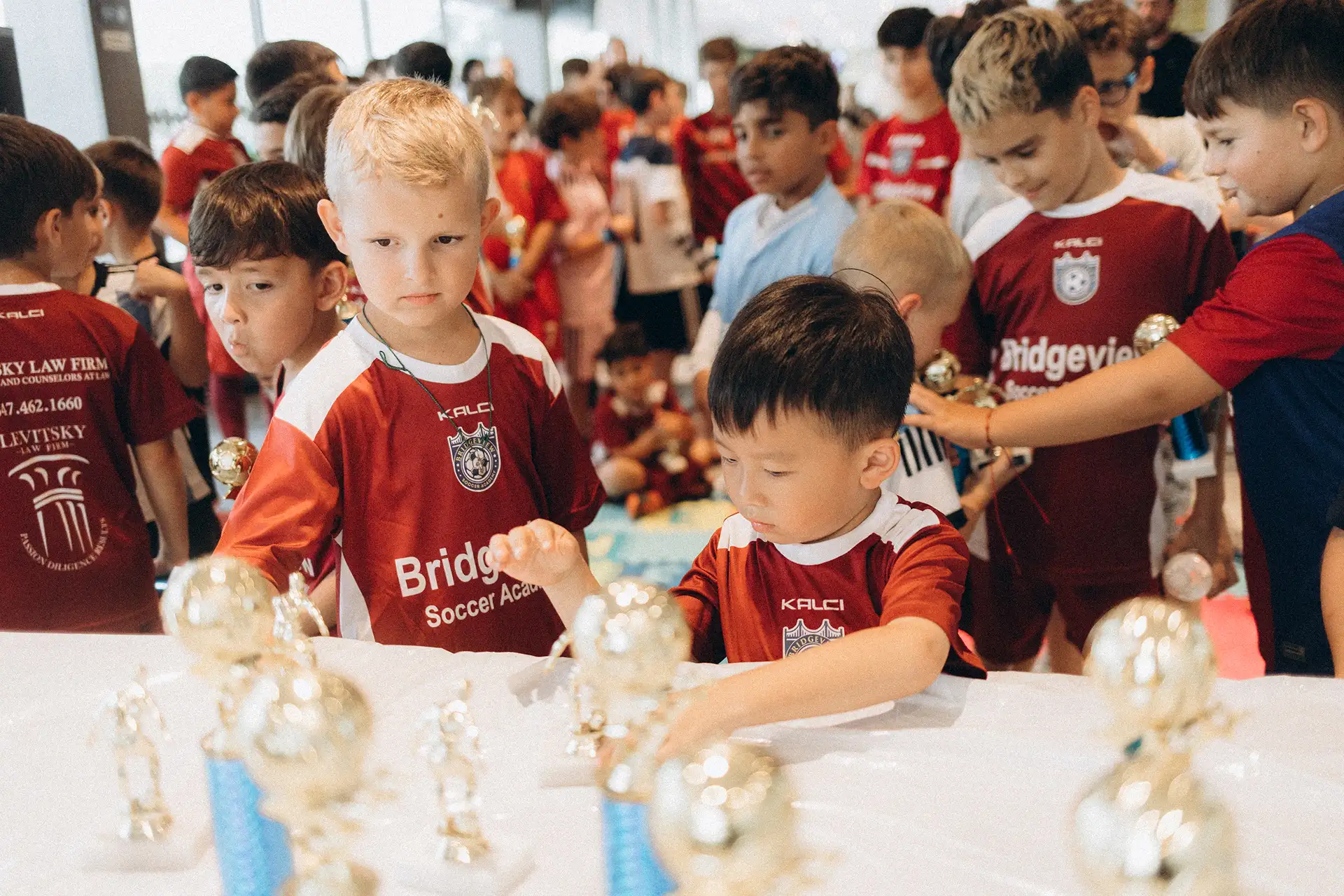
Parents often enroll their children in sports to keep them active, but the benefits go far beyond physical fitness. Soccer programs for kids ages 5–13 provide an environment where children develop confidence, leadership, teamwork, discipline, and communication skills that positively impact every area of their lives.
Whether your child is just learning the basics or already has experience on the field, participating in a structured soccer program helps them grow both as athletes and as individuals.
Confidence Starts with Small Successes
Confidence isn't built overnight—it's developed through consistent practice, encouragement, and achievement. Every successful pass, goal, or defensive play gives young players a sense of accomplishment.
Professional coaches create a positive learning environment where children are encouraged to improve at their own pace. As they master new skills and overcome challenges, they begin believing in their abilities both on and off the field.
Over time, children become more willing to try new things, solve problems independently, and face challenges with a positive attitude.
Soccer Teaches Leadership Through Teamwork
Leadership isn't just about wearing the captain's armband. In youth soccer, every player has opportunities to lead by communicating with teammates, encouraging others, staying positive, and setting a good example.
During practices and matches, players learn to:
- Communicate effectively with teammates.
- Support and motivate each other.
- Make quick decisions under pressure.
- Accept responsibility for their actions.
- Celebrate team success instead of individual achievements.
These experiences naturally help children develop leadership qualities they can use in school, friendships, and future careers.
Learning Responsibility at a Young Age
One of the biggest benefits of youth soccer programs is teaching responsibility.
Children quickly learn the importance of:
- Arriving on time for practice.
- Bringing the correct equipment.
- Listening to coaches.
- Following instructions.
- Respecting teammates, opponents, and referees.
These habits become valuable life skills that extend far beyond the soccer field.
Building Resilience Through Challenges
Every athlete experiences setbacks. Missing a shot, losing a game, or making mistakes can feel disappointing, especially for young players.
Quality soccer programs help children understand that mistakes are part of learning.
Instead of focusing only on winning, experienced coaches encourage players to:
- Learn from mistakes.
- Keep a positive attitude.
- Continue practicing.
- Never give up after setbacks.
This resilience helps children become mentally stronger and more confident when facing challenges in school and everyday life.
Improved Communication Skills
Soccer is one of the most team-oriented sports. Players constantly communicate during training sessions and games.
They learn how to:
- Listen carefully.
- Give clear instructions.
- Encourage teammates.
- Solve problems together.
- Work toward common goals.
These communication skills improve friendships, classroom participation, and social confidence.
Developing Discipline Through Regular Training
Children thrive when they have structure and routine.
Regular soccer practices teach kids:
- Commitment
- Time management
- Self-discipline
- Goal setting
- Consistency
As they see their hard work leading to improvement, they develop a stronger work ethic that benefits them throughout life.
Soccer Helps Children Become Independent
As children grow older, they begin making more decisions on the field without relying on coaches or parents.
They learn to:
- Read the game.
- Make quick decisions.
- Solve problems independently.
- Adapt to different situations.
These experiences build confidence in their ability to think for themselves while remaining part of a team.
Physical Activity Supports Mental Well-Being
Children between the ages of 5 and 13 need regular physical activity for healthy development.
Soccer helps improve:
- Cardiovascular fitness
- Balance and coordination
- Speed and agility
- Strength
- Flexibility
At the same time, physical activity reduces stress, improves mood, increases focus, and promotes better overall mental health.
Kids who stay active are often more energetic, focused, and confident in daily life.
Friendships That Last Beyond the Field
One of the most rewarding aspects of joining a soccer program is the friendships children build.
Training together every week helps players:
- Meet new friends.
- Learn cooperation.
- Build trust.
- Respect different personalities.
- Develop social skills.
These friendships often continue long after the season ends.
Why Ages 5–13 Are the Perfect Time to Start
The years between ages 5 and 13 are critical for developing athletic skills and positive habits.
During this stage, children are highly receptive to learning new techniques while also developing confidence, emotional intelligence, and leadership qualities.
Starting soccer at a young age provides a strong foundation that can benefit children whether they continue playing competitively or simply enjoy the sport recreationally.
Choosing the Right Soccer Program
Not all youth soccer programs are the same.
When selecting a program, parents should look for:
- Qualified and experienced coaches
- Age-appropriate training sessions
- Small player-to-coach ratios
- Positive and encouraging environment
- Focus on skill development rather than only winning
- Safe training facilities
- Opportunities for every child to participate
The best soccer programs help every child feel valued while supporting individual growth.
Final Thoughts
Soccer is much more than learning how to dribble, pass, or score goals. The right soccer programs for kids ages 5–13 help children develop confidence, leadership, resilience, teamwork, discipline, and communication skills that will benefit them throughout their lives.
Every training session gives young players the opportunity to grow stronger—not just as athletes, but as confident individuals who are prepared to face challenges both on and off the field.
If you're looking for a positive, supportive environment where your child can build soccer skills while developing confidence and leadership, enrolling in a structured youth soccer program is one of the best investments you can make in their future.


 Czech
Czech
 English
 Arabic
 French
 Spanish
 Portuguese
 Deutsch
 Turkish
 Dutch
Dutch
 Italiano
 Russian
 Romaian
 Portuguese (Brazil)