


 About SPORTIVO Network
Is Your Factory Roof Suitable for Industrial Solar Panels?
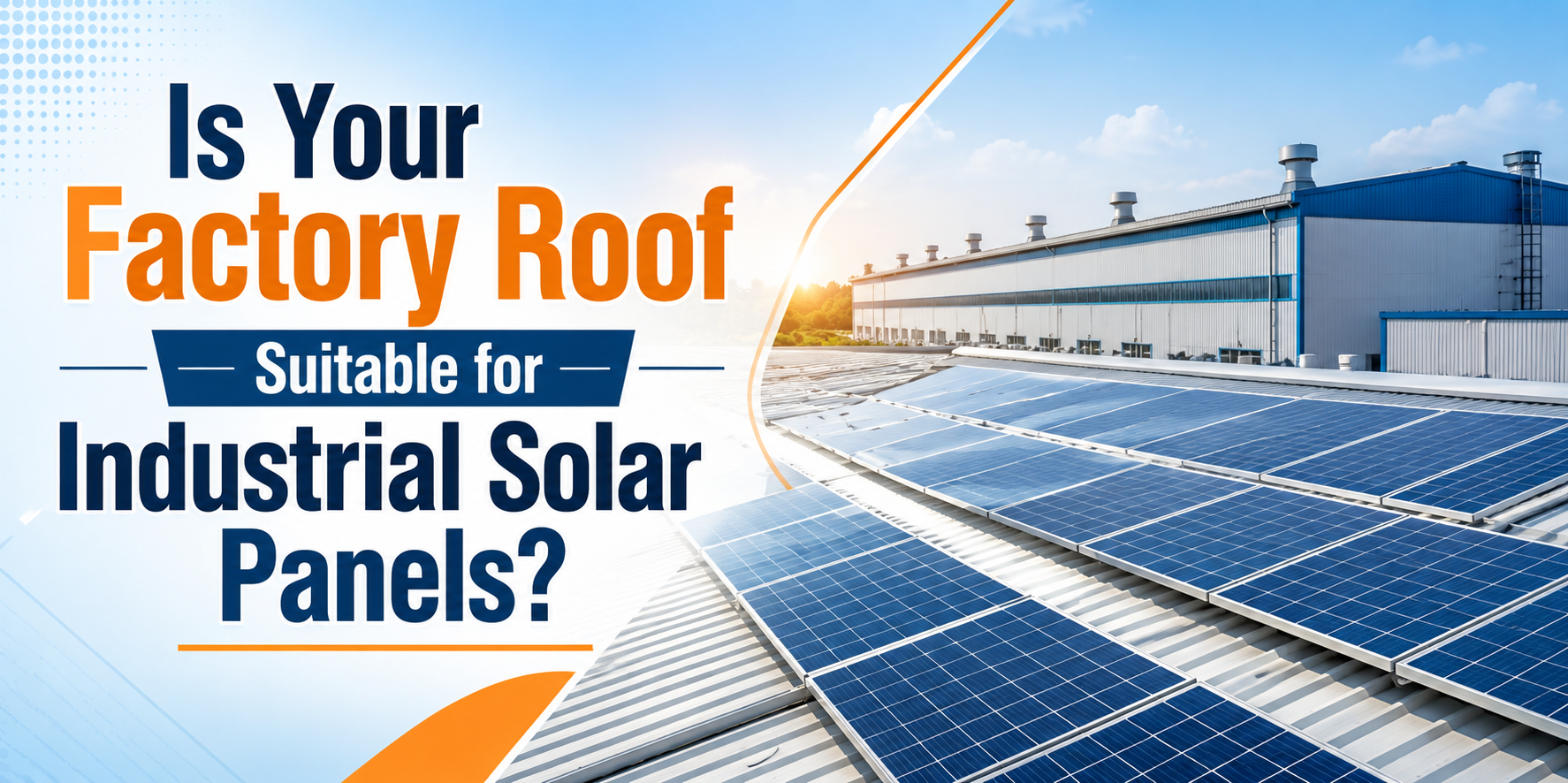
Imagine looking at your monthly electricity bill and seeing it drop by more than half. For many factory owners, this is not just a dream. It is exactly what happens when you switch to solar power. However, before you buy your first set of Industrial Solar Panels, you must look up. Your roof is the foundation of your entire energy system. If the roof is not ready, your solar project could face big problems.
Getting a factory roof for solar involves more than just having empty space. You need to make sure the structure can handle the weight and stay strong for 25 years or more. A good roof makes the installation safe and helps you get the most out of your investment. In this guide, we will walk you through everything you need to know about preparing your factory roof for a bright, clean future.
Why Your Factory Roof Matters
Your factory roof is the most important part of your solar journey. Think of it like a foundation for a house. If the foundation is weak, the house will eventually have issues. Industrial Solar Panels are built to last a long time, so your roof needs to be just as durable. A well-prepared roof ensures that the panels stay secure even during high winds or heavy rain.
Setting up industrial rooftop solar systems requires a lot of planning. If you install panels on a roof that needs repairs next year, you will have to pay a lot of money to take the panels off and put them back on. By checking your roof now, you save yourself from future headaches and extra costs. According to the National Renewable Energy Laboratory, a proper roof assessment is the first step to a successful solar project.
Types of Factory Roofs Suitable for Industrial Solar Panels
Metal Sheet Roofs
Metal sheet roofs are very common in the industrial world. They are often made of galvanized iron or aluminum. These roofs are great for Industrial Solar Panels because they are lightweight and very strong. Most solar installers like working with metal roofs because the mounting process is straightforward.
Another reason metal roofs work well is that they are easy to maintain. You can walk on them carefully to clean the panels or check the wiring. Since metal lasts a long time, it usually matches the long lifespan of the solar system itself. This makes it a top choice for factory owners looking to go green.
RCC (Concrete) Roofs
RCC or concrete roofs are incredibly strong and durable. If your factory has a flat concrete roof, you have a lot of flexibility. These roofs can support much larger and heavier solar systems without any worry about the structure bending or breaking. They provide a solid base that can handle the extra weight of mounting structures and the panels themselves.
On a concrete roof, you can use ballasted mounts, which means you do not have to drill holes into your roof. This helps prevent leaks and keeps the building sealed. Concrete roofs also make it easy for workers to move around during the setup and cleaning process, making them very practical for long-term use.
Standing Seam Metal Roofs
Standing seam roofs are a premium choice for industrial rooftop solar projects. These roofs have raised seams that interlock. The best part is that installers can use special clamps to attach the panels to these seams. This means they do not have to drill any holes into the roof surface at all.
Because there are no holes, the risk of water leaking into your factory is almost zero. This keeps your machines and inventory safe from rain damage. It is a simple and clean way to install solar energy while keeping your roof's warranty intact. Many modern factories choose this style for its safety and ease of use.
Key Factors to Check Before Installing Industrial Solar Panels
Roof Age and Condition
Before you start, you must check how old your roof is. If your roof is more than 15 years old, it might be reaching the end of its life. Industrial Solar Panels will stay on your roof for over 20 years. You do not want to put brand-new panels on a roof that will need to be replaced in five years.
Look for signs of rust, cracks, or damage in the structural beams. If the roof is starting to sag or if the metal sheets are getting thin, you should repair or replace the roof first. A strong roof ensures that your investment in renewable energy is safe and secure for the long haul.
Roof Load Capacity
Every roof has a limit on how much weight it can carry. Solar panels, the metal racks they sit on, and the wiring all add weight. You need to make sure your factory roof can support this "dead load" safely. You also have to think about "live loads" like wind pressure or workers walking on the roof.
It is always a good idea to have a structural engineer look at your building. They can tell you exactly how much extra weight your roof can handle. This step is vital to prevent any structural failure or accidents during the installation of Industrial Solar Panels.
Available Roof Space
Size matters when it comes to solar energy. You need enough open area to fit the number of panels required to power your factory. If your roof is covered with vents, pipes, or air conditioning units, it might be hard to fit a large system.
Measure the clear, flat areas of your roof to see how much room you truly have. A larger space allows you to install more panels, which means more free electricity for your business. Planning the layout early helps you avoid surprises later on.
Roof Direction and Tilt
Which way does your roof face? In most places, roofs that face South get the most sunlight throughout the day. The angle or tilt of the roof also matters. If your roof is too flat or too steep, the panels might not catch the sun rays perfectly.
Knowing the right angle can help you understand how to increase solar output by making sure the panels are always in the sun. If your roof isn't at the perfect angle, installers can use tilted mounting frames to fix the position. This helps you get the most energy possible out of your factory roof for solar.
Shade Analysis
Shadows are the enemy of solar power. Even a small shadow from a chimney, water tank, or a nearby tall building can stop a panel from working correctly. If one panel is in the shade, it can sometimes slow down the energy production of the whole row.
Perform a shade analysis at different times of the day. You want to make sure your panels have a clear view of the sky from morning until evening. Cutting down nearby tree branches or moving small equipment on the roof can often solve these shading problems.
Common Roof Problems That Can Affect Solar Installation
Before moving forward, keep an eye out for these common issues that could slow down your project:
- Water leakage issues: Even tiny leaks can become big problems once panels are installed above them.
- Weak or damaged roofing materials: Rust or brittle concrete can make it unsafe for workers and heavy equipment.
- Heavy equipment occupying roof space: Massive AC units or industrial fans can block the best spots for panels.
- Excessive shading: Nearby trees, taller factory sections, or water tanks can cast long shadows.
- Poor roof drainage: If water pools on your roof after rain, it can damage the mounting structures over time.
Benefits of Installing Industrial Solar Panels on a Suitable Roof
When you install Industrial Solar Panels on a healthy roof, the benefits are huge.
First, you will see a massive drop in your energy bills. This extra money can be used to grow your business or buy new machinery. It is one of the best ways for a factory to save money in the long run.
Second, using solar energy helps the planet. It reduces your factory's carbon footprint and shows your customers that you care about the environment. Many big companies now prefer to work with suppliers who use green energy. A good roof makes it easy to join this clean energy movement.
Why Choose Shree Hari Solar for Industrial Solar Installation
Shree Hari Solar is a trusted name when it comes to industrial energy. We don't just put panels on your roof; we make sure your roof is ready for them. Our team of experts conducts a deep check of your roof's strength, age, and shading to ensure you get the best results.
We use high-quality materials and follow all safety rules to protect your building. With our help, you can turn your empty roof into a powerful money-saving tool. We guide you through every step, from the first check to the final power switch.
Conclusion
Your factory roof is the key to unlocking free energy from the sun. By checking the roof type, age, and load capacity, you ensure that your Industrial Solar Panels will work perfectly for years. Don't let a small roof problem stop you from saving money and helping the earth. Take the time to inspect your roof today and start your journey toward energy independence.
Frequently Asked Questions
Can every factory roof support industrial solar panels?
Not every roof is ready immediately. While most metal and concrete roofs are great, some older or damaged roofs may need repairs or strengthening before they can safely hold the weight of solar panels.
What is the minimum roof space required for an industrial solar system?
The space depends on your energy needs. Generally, you need about 80 to 100 square feet of clear roof space for every 1 kilowatt (kW) of solar power you want to generate.
Can solar panels be installed on an old factory roof?
It is possible, but not recommended if the roof is near the end of its life. It is better to repair or replace an old roof first so you don't have to remove the panels later for roof maintenance.
How do I know if my roof is strong enough?
The best way is to hire a structural engineer. They will check the beams and the roof material to see if it can handle the weight of the panels and the mounting racks.
Does roof direction affect industrial solar performance?
Yes, it does. In the northern hemisphere, south-facing roofs usually get the most sunlight. This helps the panels produce the maximum amount of electricity throughout the day.

 Czech
Czech
 Arabic
 French
 Spanish
 Portuguese
 Deutsch
 Turkish
 Dutch
Dutch
 Italiano
 Russian
 Romaian
 Portuguese (Brazil)
 Greek
Greek