


 About SPORTIVO Network
Understanding FSGS: Causes, Risk Factors, and Nephrotic Syndrome
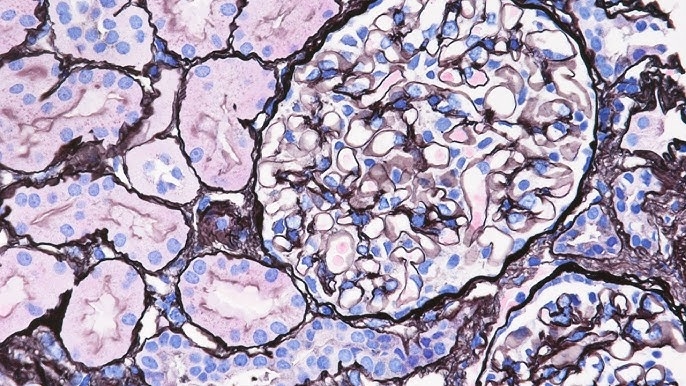
Rare kidney diseases can be challenging to understand, especially when they involve complex conditions that affect the kidneys' filtering system. One such condition is Focal Segmental Glomerulosclerosis (FSGS), a rare disease that can lead to nephrotic syndrome and gradual loss of kidney function. Learning about its causes and risk factors can help patients and families recognize the importance of early diagnosis and ongoing medical care.
At NephCure, we are dedicated to advancing research, educating patients, and supporting families affected by rare kidney diseases. Through trusted resources and advocacy, we help individuals better understand their diagnosis and navigate their healthcare journey. In this article, we'll discuss focal segmental glomerulosclerosis nephrotic syndrome, focal segmental glomerulosclerosis risk factors, and fsgs causes.
Why Learning About FSGS Is Important
The kidneys contain millions of tiny filtering units called glomeruli that remove waste and excess fluid from the blood. In FSGS, some of these filters develop scar tissue, reducing their ability to function properly. Over time, this can lead to protein leakage into the urine and decreased kidney function.
Understanding FSGS helps patients:
- Recognize symptoms early
- Learn about possible causes
- Understand risk factors
- Support long-term kidney health
- Stay informed about new research
At NephCure, we believe education empowers patients to take an active role in their care.
Understanding Focal Segmental Glomerulosclerosis Nephrotic Syndrome
Focal segmental glomerulosclerosis nephrotic syndrome occurs when FSGS causes significant damage to the kidney's filtering units, resulting in the group of symptoms known as nephrotic syndrome.
Common features include:
- High levels of protein in the urine
- Swelling in the legs, ankles, feet, or around the eyes
- Foamy urine
- Low protein levels in the blood
- High cholesterol levels
- Weight gain due to fluid retention
Not every person with FSGS develops nephrotic syndrome, but it is one of the most common ways the disease presents. Early diagnosis and treatment can help manage symptoms and protect kidney function.
Focal Segmental Glomerulosclerosis Risk Factors
Several factors may increase the likelihood of developing FSGS. Understanding focal segmental glomerulosclerosis risk factors can help healthcare providers identify individuals who may benefit from closer monitoring.
Risk factors may include:
- Inherited genetic mutations
- APOL1 gene variants in certain populations
- Family history of kidney disease
- Obesity
- High blood pressure
- Viral infections
- Previous kidney injury
- Certain medications or toxins
Having one or more risk factors does not guarantee that a person will develop FSGS, but these factors may contribute to disease development in some individuals.
FSGS Causes
Researchers continue to investigate fsgs causes, and the disease is generally classified into three major categories.
Primary FSGS
Primary FSGS develops without a clearly identifiable underlying condition. Researchers believe abnormal immune system activity may contribute to this form of the disease.
Secondary FSGS
Secondary FSGS develops because of another condition or external factor, including:
- Obesity
- Reduced blood flow to the kidneys
- Certain viral infections
- Long-standing high blood pressure
- Some medications
- Other kidney disorders
Treating the underlying condition is often an important part of managing secondary FSGS.
Genetic FSGS
Some individuals inherit genetic changes that affect the kidney's filtering barrier. Genetic testing may be recommended, particularly in children, young adults, or families with multiple affected members.
Common Symptoms of FSGS
Symptoms vary from person to person and may develop gradually.
Common signs include:
- Swelling in the legs, ankles, feet, or face
- Protein in the urine
- Foamy urine
- High blood pressure
- Fatigue
- Fluid retention
- Reduced kidney function over time
Persistent symptoms should be evaluated by a healthcare professional to determine the underlying cause.
How FSGS Is Diagnosed
Because FSGS shares symptoms with many other kidney diseases, a comprehensive evaluation is necessary.
Healthcare providers may recommend:
- Urine analysis to measure protein and blood
- Blood tests to assess kidney function
- Blood pressure monitoring
- Kidney imaging
- Kidney biopsy, the most reliable method for confirming FSGS
- Genetic testing when appropriate
An accurate diagnosis allows healthcare providers to create an individualized treatment plan and monitor disease progression effectively.
Supporting Kidney Health
Alongside medical treatment, healthy lifestyle habits can help support kidney function and overall well-being.
Patients are encouraged to:
- Take medications exactly as prescribed
- Follow dietary recommendations from their healthcare provider
- Limit sodium intake if advised
- Stay physically active within recommended limits
- Control blood pressure
- Attend routine follow-up appointments
These practices complement professional medical care and support long-term kidney health.
How NephCure Supports Patients and Families
At NephCure, we understand that receiving a diagnosis of a rare kidney disease can feel overwhelming. Our organization is committed to helping patients and caregivers access trusted information, educational resources, and supportive communities.
Our mission includes:
- Providing patient education
- Funding innovative kidney disease research
- Supporting advocacy initiatives
- Building strong patient communities
- Connecting individuals with specialists and clinical research opportunities
By empowering patients with knowledge, NephCure helps individuals confidently navigate life with rare kidney diseases.
Looking Toward the Future
Research continues to improve our understanding of focal segmental glomerulosclerosis nephrotic syndrome, focal segmental glomerulosclerosis risk factors, and fsgs causes. Advances in genetics, immunology, and precision medicine are creating new opportunities for earlier diagnosis, more personalized treatment, and improved outcomes for people living with FSGS.
At NephCure, we remain committed to advancing education, supporting groundbreaking research, and providing hope to the rare kidney disease community. If you or a loved one has concerns about kidney health, consult a qualified healthcare professional for personalized evaluation and guidance.

 Czech
Czech
 Arabic
 French
 Spanish
 Portuguese
 Deutsch
 Turkish
 Dutch
Dutch
 Italiano
 Russian
 Romaian
 Portuguese (Brazil)
 Greek
Greek