


 About SPORTIVO Network
A Complete Guide to Homalictus Bees Removal in Melbourne
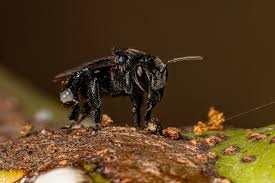
Homalictus bees are one of Australia's many native bee species and play an important role in pollinating gardens, native plants, and flowering landscapes throughout Melbourne. Although these small, solitary bees are generally harmless, they may occasionally establish nests in areas where they create inconvenience or safety concerns for homeowners and businesses.
Understanding how to identify Homalictus bees, where they nest, and when professional assistance is needed can help you protect both your property and these valuable pollinators. Professional bees pest control Melbourne services can accurately identify native bee species and provide safe, environmentally responsible management solutions whenever removal or relocation becomes necessary.
What Are Homalictus Bees?
Homalictus bees are small native Australian bees commonly referred to as sweat bees because they are sometimes attracted to moisture and perspiration. Unlike honey bees, they are solitary or loosely social, meaning they do not build large hives containing thousands of bees.
These bees are recognised for their:
- Small body size
- Dark brown or black colouring
- Metallic green or bronze sheen on some species
- Gentle nature
- Excellent pollination abilities
Their presence often indicates a healthy environment with abundant flowering plants.
Why Are Homalictus Bees Important?
Homalictus bees contribute significantly to Melbourne's ecosystem by pollinating native vegetation, gardens, and flowering plants.
Their benefits include:
- Supporting biodiversity
- Pollinating native wildflowers
- Improving fruit and vegetable production
- Helping maintain healthy gardens
- Encouraging natural ecosystem balance
Because of their environmental importance, they should only be managed professionally when necessary.
Where Do Homalictus Bees Nest?
Unlike honey bees that build large wax hives, Homalictus bees typically nest underground or in small natural cavities.
Common nesting locations include:
- Bare patches of soil
- Garden beds
- Lawns
- Sandy ground
- Cracks in pathways
- Small holes around landscaped areas
Large numbers of bees entering the same section of ground often indicate an active nesting site.
Are Homalictus Bees Dangerous?
Homalictus bees are generally considered harmless and are not aggressive towards people.
They rarely sting unless directly handled or threatened. However, professional assessment may be recommended if:
- The nest is near children's play areas.
- Bees are nesting beside walkways.
- Family members have bee sting allergies.
- Bee activity interferes with business operations.
- The species cannot be confidently identified.
Professional inspections help determine whether monitoring or relocation is the most suitable option.
Why Professional Identification Matters
Many native bee species appear similar, making identification difficult for homeowners.
Professional bees pest control Melbourne technicians can:
- Correctly identify Homalictus bees.
- Locate hidden nesting areas.
- Assess potential safety risks.
- Recommend environmentally responsible solutions.
- Protect beneficial pollinators whenever possible.
Accurate identification prevents unnecessary removal and ensures native bees receive appropriate protection.
When Is Homalictus Bees Removal Necessary?
Most Homalictus bees do not require removal. However, professional homalictus bees removal Melbourne services may be appropriate when:
- Nests are located near building entrances.
- Bee activity continues increasing.
- Large numbers of bees occupy frequently used areas.
- Occupants have severe bee allergies.
- Commercial operations are affected.
- Public safety becomes a concern.
Experienced technicians assess every situation individually and recommend the safest management approach.
Understanding Other Native Bee Species
Melbourne properties may also attract other native bee species that require different management strategies.
Resin Bees
Resin bees use plant resins to build and seal their nests inside natural cavities, timber, and small openings around buildings. While they are also beneficial pollinators, nesting in unsuitable locations may occasionally require professional assessment.
Where necessary, resin bees removal Melbourne services provide safe and environmentally responsible management while protecting native bee populations.
Knowing the differences between Homalictus bees and resin bees helps ensure the correct treatment is chosen.
Local Bee Management Across Melbourne
Bee activity varies across Melbourne depending on surrounding vegetation and property conditions.
Residents seeking bee removal Eltham North often encounter native bees near bushland, gardens, timber fencing, and landscaped properties. Similarly, homeowners requiring bee removal Essendon North may notice bee activity around mature trees, roof cavities, or outdoor timber structures.
Local experience allows technicians to identify common nesting sites and recommend practical long-term solutions.
How to Reduce Bee Activity Around Your Property
Simple maintenance can discourage bees from nesting close to buildings.
Helpful tips include:
- Repair damaged timber.
- Seal unnecessary wall and roof openings.
- Maintain gardens regularly.
- Remove exposed bare soil where practical.
- Inspect outdoor structures seasonally.
- Arrange routine bees pest control Melbourne inspections if you've experienced previous bee activity.
Preventative maintenance often reduces future nesting opportunities.
Why DIY Bee Removal Is Not Recommended
Attempting to remove native bees without proper knowledge may create additional problems.
DIY removal can:
- Harm protected native bee species.
- Cause accidental stings.
- Damage nesting sites.
- Fail to remove the source of activity.
- Lead to recurring infestations.
Professional bee specialists use safe methods that protect both people and the environment.
Key Takeaways
- Homalictus bees are beneficial native Australian pollinators.
- They usually nest in soil or small natural cavities.
- Most Homalictus bees are harmless and rarely sting.
- Professional homalictus bees removal Melbourne services ensure accurate identification and responsible management.
- Early bees pest control Melbourne inspections help prevent larger nesting issues.
- Environmentally responsible bee management protects Melbourne's native ecosystems.
Conclusion
Homalictus bees play an essential role in maintaining Melbourne's natural environment through pollination and biodiversity. While they are generally peaceful and beneficial, nests located near homes, businesses, or high-traffic areas should be professionally assessed to ensure public safety while preserving these valuable insects.
Whether you require professional homalictus bees removal Melbourne, reliable bee removal Eltham North, trusted bee removal Essendon North, or expert resin bees removal Melbourne, experienced bee specialists can provide safe, environmentally responsible solutions tailored to your property's needs.

 Czech
Czech
 English
 Arabic
 French
 Spanish
 Portuguese
 Deutsch
 Turkish
 Dutch
Dutch
 Italiano
 Russian
 Portuguese (Brazil)
 Greek
Greek