


 About SPORTIVO Network
Tailor’s Bunion Treatment: Expert Care for Pain on the Outside of the Foot
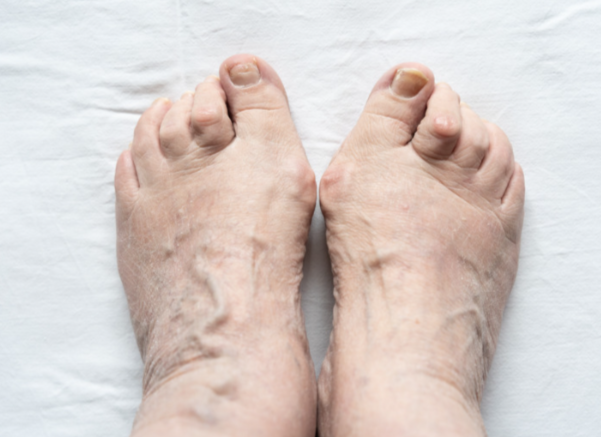
Pain on the outside of the foot is often overlooked until it begins to interfere with everyday activities. One common cause of this discomfort is a tailor’s bunion, also known as a bunionette. Unlike a traditional bunion that develops at the base of the big toe, a tailor’s bunion forms at the base of the little toe. As the condition progresses, it can make walking, exercising, and wearing shoes increasingly uncomfortable.
If you are searching for effective tailor’s bunion treatment, early diagnosis and specialist care can help relieve pain, prevent the deformity from worsening, and restore normal foot function. Mr Pavel Akimau is an experienced Orthopaedic Foot and Ankle Specialist who provides personalised treatment plans using the latest evidence-based approaches for both non-surgical and surgical management.
What Is a Tailor’s Bunion?
A tailor’s bunion is a bony prominence that develops on the outside of the foot at the joint of the little toe. The condition is called a "tailor’s bunion" because, historically, tailors often sat cross-legged for long periods, placing pressure on the outer side of the foot.
Today, the condition is more commonly associated with foot structure, repetitive pressure, and footwear rather than occupation.
As the little toe gradually shifts inward, the joint becomes more prominent, leading to irritation and pain.
Common Symptoms
People with a tailor’s bunion may notice:
- A painful bump on the outside of the foot
- Redness and swelling around the little toe joint
- Tenderness when wearing shoes
- Pain while walking or standing
- Difficulty fitting into narrow footwear
- Corns or calluses over the bump
- Irritation caused by friction
Symptoms often develop gradually and become more noticeable over time.
What Causes a Tailor’s Bunion?
Several factors can contribute to the development of this condition, including:
- Inherited foot shape
- Wide forefoot or abnormal bone alignment
- Flat feet
- Repetitive pressure on the outer foot
- Tight or narrow footwear
- Arthritis affecting the joints
- Certain biomechanical abnormalities
Understanding the underlying cause is essential for selecting the most appropriate treatment.
Diagnosing the Condition
Mr Pavel Akimau performs a detailed assessment to determine the severity of the deformity and identify any contributing factors.
Your consultation may include:
- Medical history review
- Physical examination
- Assessment of foot alignment
- Evaluation of walking pattern
- X-rays to assess bone position and joint changes
A thorough diagnosis ensures treatment is tailored to your individual needs.
Tailor’s Bunion Treatment Without Surgery
Many patients experience significant improvement through conservative treatment, particularly when symptoms are addressed early.
Footwear Changes
Choosing shoes with a wider toe box reduces pressure on the affected joint and improves comfort during everyday activities.
Orthotic Insoles
Custom orthotics help improve foot mechanics and reduce excessive pressure on the outside of the foot.
Protective Padding
Padding placed over the bunionette helps minimise friction and reduces discomfort caused by footwear.
Physiotherapy
Exercises to improve flexibility and strengthen the muscles supporting the foot can help reduce symptoms and improve function.
Pain Management
Anti-inflammatory medication may be recommended when appropriate to relieve pain and swelling.
These treatments aim to improve comfort and slow the progression of the deformity.
When Is Surgery Recommended?
If conservative treatment no longer provides relief or the deformity significantly affects daily life, surgery may be the most effective option.
Surgery may be considered when:
- Pain persists despite non-surgical treatment
- Walking becomes difficult
- The deformity continues to worsen
- Footwear options become increasingly limited
- The bunion affects quality of life
Mr Pavel Akimau carefully discusses all available options before recommending surgery.
Surgical Treatment Options
Modern surgical procedures aim to correct the underlying deformity while preserving foot function.
Depending on the individual case, surgery may involve:
- Removing the bony prominence
- Realigning the metatarsal bone
- Correcting joint position
- Stabilising the little toe
- Restoring normal foot mechanics
The surgical approach is selected based on the severity of the deformity and the patient's activity level.
Recovery After Tailor’s Bunion Treatment
Recovery varies depending on the type of procedure performed.
Patients typically progress through:
- Wearing a protective surgical shoe or boot
- Gradual weight-bearing
- Physiotherapy exercises
- Follow-up assessments
- Return to comfortable footwear
- Gradual resumption of normal activities
Following rehabilitation instructions carefully helps ensure the best possible long-term outcome.
Preventing Future Problems
Although genetics cannot be changed, several measures may reduce pressure on the little toe joint and minimise symptom progression.
Helpful tips include:
- Wear properly fitted footwear
- Avoid narrow or pointed shoes
- Maintain a healthy body weight
- Address foot pain promptly
- Use supportive footwear during physical activity
- Seek early specialist advice if symptoms develop
Early intervention often helps prevent more significant deformity.
Why Choose Mr Pavel Akimau?
Mr Pavel Akimau has extensive experience in treating foot and ankle conditions, including tailor’s bunions.
Patients receive:
- Comprehensive clinical assessment
- Personalised treatment plans
- Advanced diagnostic evaluation
- Evidence-based non-surgical care
- Modern surgical expertise
- Structured rehabilitation programmes
- Compassionate, patient-focused support
Every treatment plan is designed to restore comfort, improve mobility, and support long-term foot health.
Frequently Asked Questions
What is a tailor’s bunion?
A tailor’s bunion, or bunionette, is a bony prominence that develops at the base of the little toe on the outside of the foot.
Can a tailor’s bunion be treated without surgery?
Yes. Many patients experience relief through footwear modifications, orthotics, physiotherapy, padding, and activity adjustments.
When is surgery needed?
Surgery may be recommended if pain continues despite conservative treatment or if the deformity significantly affects walking and daily activities.
How long does recovery take?
Recovery depends on the procedure performed, but most patients gradually return to normal activities over several weeks to months with appropriate rehabilitation.
Why choose Mr Pavel Akimau?
Mr Pavel Akimau provides expert diagnosis, personalised treatment plans, advanced surgical techniques, and comprehensive aftercare to help patients achieve long-term pain relief and improved foot function.
Conclusion
A tailor’s bunion can become increasingly painful if ignored, but early tailor’s bunion treatment can help relieve symptoms and prevent the condition from progressing. Whether your symptoms can be managed conservatively or require surgical correction, receiving specialist care ensures you receive the most appropriate treatment for your individual needs. Mr Pavel Akimau is dedicated to helping patients regain mobility, reduce pain, and return to everyday activities with greater comfort and confidence.
For more details please visit the website - https://pavelakimau.com/
Call us at - 07934539252 , 01782 432227
Email at - sjukes@protonmail.com
Address - North Staffordshire Hospital Clayton Road, Newcastle-under-Lyme, ST5 4DB

 Czech
Czech
 Arabic
 French
 Spanish
 Portuguese
 Deutsch
 Turkish
 Dutch
Dutch
 Italiano
 Russian
 Romaian
 Portuguese (Brazil)
 Greek
Greek