


 About SPORTIVO Network
Broodstock Collection: Are Hatcheries Losing Fish?
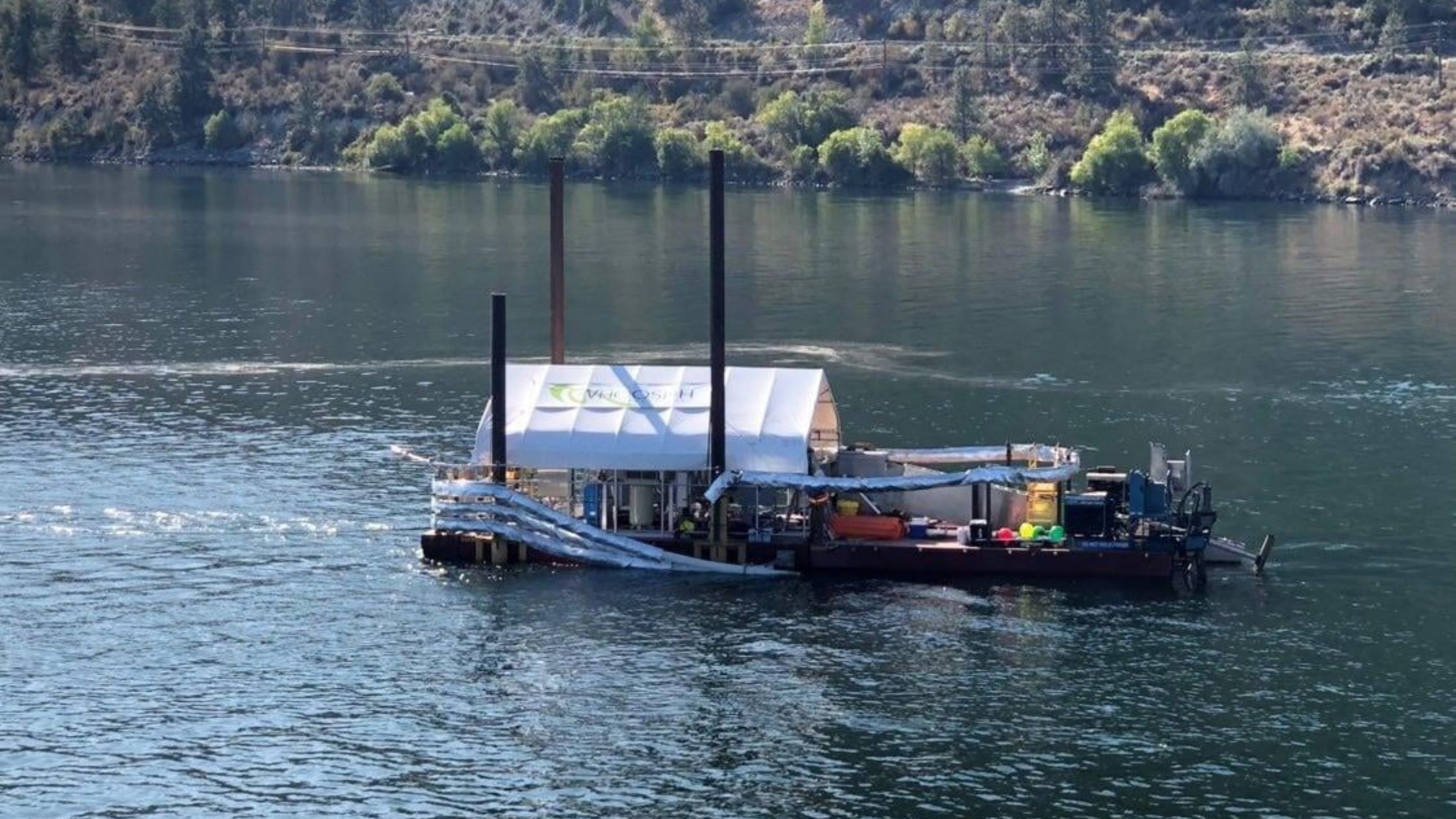
Every hatchery program that relies on wild broodstock faces a version of the same problem. Fish have to be collected from the river, transported to the facility, held, and processed for spawning. Each step in that chain is an opportunity for stress accumulation, injury, and mortality before the fish ever serves its reproductive purpose.
Broodstock collection has been a handled-fish problem for as long as hatcheries have existed. Nets, crowders, dip buckets, holding tanks, transport trucks: each element of the conventional collection and transport chain involves physical contact with fish that triggers measurable physiological stress responses. Cortisol elevates. Immune function dips. And the egg viability that represents the entire return on a broodstock program starts declining before spawning even begins.
At Whooshh Innovations, we've been developing and deploying fish handling technology specifically aimed at reducing those stress events at each stage of the collection and transport chain.
What Does Cortisol Actually Do to Broodstock Viability?
The cortisol stress response in fish is well-documented in the scientific literature. Elevated cortisol is associated with suppressed immune function, disrupted osmoregulation, reduced reproductive hormone levels, and lower egg quality in females. A study from the University of British Columbia's Department of Zoology found that cortisol-stressed female salmon showed significantly lower fertilization rates and higher egg mortality than controls held under low-stress conditions.
This isn't an abstract welfare concern. In a hatchery program where a single female may carry tens of thousands of eggs, the difference between a high-stress and low-stress collection and transport event translates directly into fry production numbers. And fry production numbers are the output the entire program is designed to maximize.
How Does Pneumatic Transfer Reduce Stress in Broodstock Handling?
Our SalmonCannon and MigratorTube system is specifically designed for fish that are already being handled, where the challenge is moving them more gently and efficiently than conventional methods allow. Fish are hand-loaded into the SalmonCannon, which uses air pressure to propel them through the MigratorTube on a misted cushion of air. They arrive at the destination tank without the net handling, crowding, or air exposure that conventional transfer methods involve.
Here's what this means specifically for broodstock collection operations:
-
Fish are loaded individually and travel without crowding, avoiding the aggregation stress that holding tanks and pump systems generate
-
The misted tube interior keeps fish hydrated and cool throughout transit, avoiding the air-exposure stress that bucket-and-boot transfer creates
-
No physical contact with fish scales or fins during transit, reducing injury risk for high-value broodstock individuals
-
Faster transfer per individual fish compared to manual carry or aqua pump, reducing total handling time per collection event
-
Lower water consumption per transfer compared to aqua pump methods, reducing facility operating costs during collection periods
What About River-to-Facility Transport for Remote Collection Sites?
Many of the best broodstock collection sites are not conveniently located next to hatchery facilities. They're in river sections with limited road access, steep embankments, or terrain that makes conventional transport logistics expensive and physically demanding. Getting fish from a weir trap at the bottom of a ravine to a transport truck on a road above it has historically meant either pumping fish up through plumbing infrastructure or having personnel carry them in containers up steep embankments.
The TUber mobile system addresses exactly this scenario. It uses the same SalmonCannon-and-MigratorTube transport mechanics in a trailer-mounted, deployable configuration. The system can be driven to a collection site, set up by a small crew, and begin moving fish from a river trap to a transport tote above without requiring embankment infrastructure or large-crew logistics.
At 25 feet per second transport speed and up to 5 fish per tube at a time, throughput during peak broodstock collection windows is meaningfully higher than manual alternatives. And because the system leaves no permanent footprint on the embankment, the shoreline erosion risk that repeated vehicle and personnel traffic creates is avoided.
What Should Hatchery Managers Be Tracking in Their Broodstock Programs?
The metrics that matter most are: cortisol levels in collected fish at arrival, fertilization rates by cohort compared to collection method, egg-to-fry survival rates by broodstock source, and mortality during the holding period between collection and spawning. If those numbers show variance correlated with collection method or transport time, there's a handling improvement to be made.
Whooshh Innovations works with hatcheries and conservation programs to identify where in the collection chain stress reduction would have the most impact on program outcomes. Every broodstock program is different in terms of species, site conditions, and facility configuration.
Reach out to the Whooshh team to discuss how our handling technology could fit your specific collection operation. And explore the full product range at whooshh.com to see where the technology sits within a broader fish management platform.

 Czech
Czech
 English
 Arabic
 French
 Portuguese
 Deutsch
 Turkish
 Dutch
Dutch
 Italiano
 Russian
 Romaian
 Portuguese (Brazil)
 Greek
Greek