


 About SPORTIVO Network
How Does a Solar Energy System Work? Step-by-Step Guide
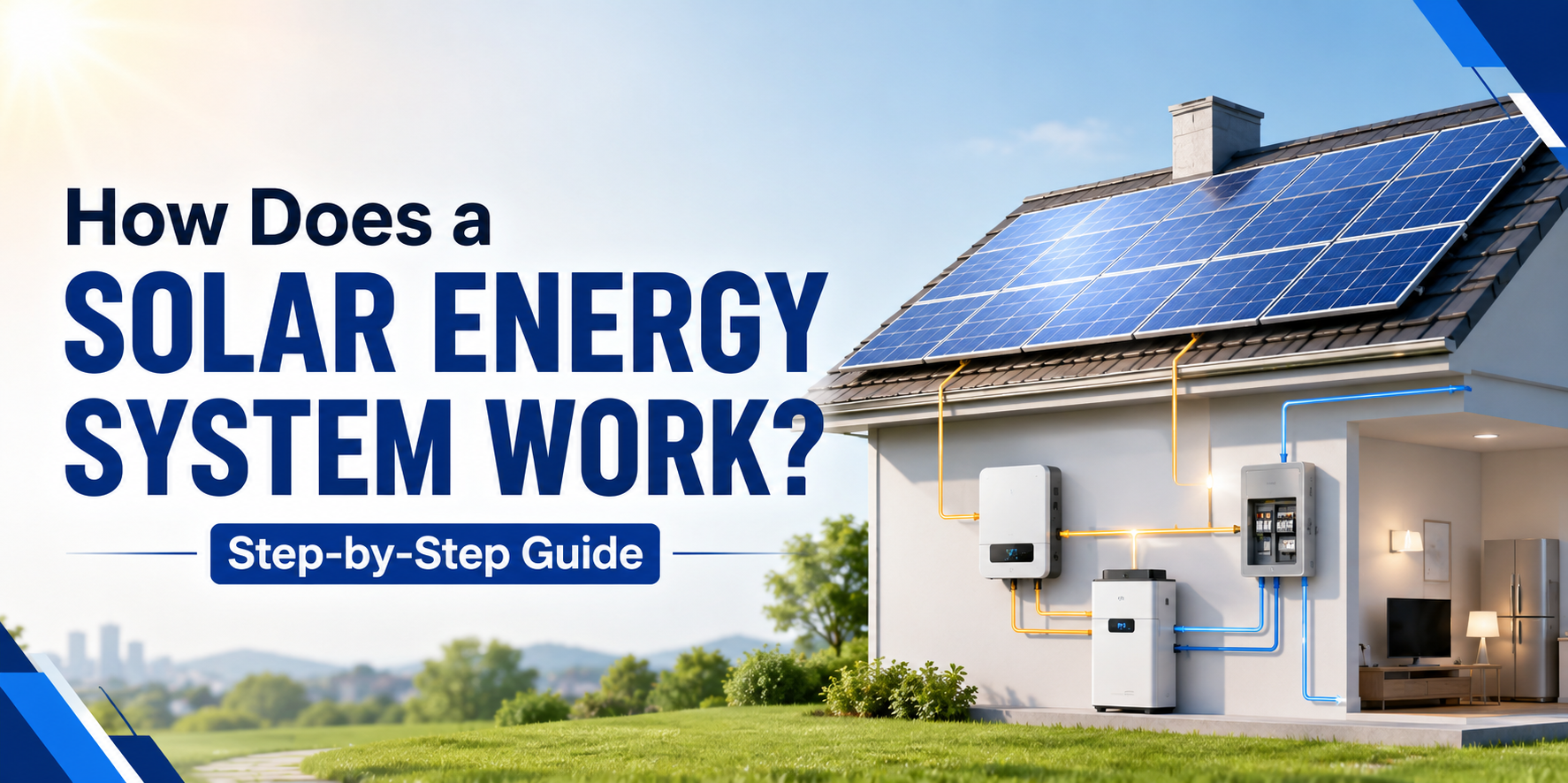
Imagine if you could catch the sunlight falling on your roof and turn it into power for your TV, fridge, and lights. It sounds like something out of a science fiction movie, but it happens every day for millions of people. Understanding how does a solar energy system work doesn't have to be hard.
In this guide, we will break down the process into simple steps that anyone can understand. By the end, you will see why so many people are switching to clean energy.
What Is a Solar Energy System?
Before we look at the mechanics, let's define what is solar energy system in the simplest way possible. It is a group of parts that work together to collect sunlight and change it into electricity that you can use. Instead of just relying on big power plants far away, you become your own small power plant right at home.
A solar system is not just the panels on the roof. It is a smart setup that includes wires, converters, and meters. When you hire a professional solar epc company, they design this system to fit your specific roof and energy needs. It is a clean, quiet way to get power without burning coal or gas.
How Does a Solar Energy System Work?
To understand how does a solar energy system work, we can follow the journey of a single sunbeam from the sky to your toaster. The process is fast, automatic, and happens without you needing to flip a single switch.
Step 1: Solar Panels Capture Sunlight
The process begins on your roof. Solar panels are made of many small squares called photovoltaic (PV) cells. These cells are mostly made of silicon. When sunlight hits these cells, it knocks tiny particles called electrons loose. This movement of electrons creates a flow of electricity.
This first type of power is called Direct Current (DC) electricity. Think of DC like the power in a battery; it flows in one single direction. While this is great for some gadgets, your house actually needs a different kind of power to run standard appliances.
Step 2: The Inverter Converts DC into AC Electricity
Your home and most businesses run on Alternating Current (AC) electricity. This is where the solar inverter comes in. It is often called the "brains" of the setup. The inverter takes the DC power from the panels and transforms it into AC power.
Without this conversion, your appliances wouldn't know what to do with the energy. The inverter makes sure the power is safe and matches the exact type of electricity that comes from the utility company.
Step 3: Electricity Powers Your Home or Business
Once the power is converted to AC, it travels through your electrical panel (breaker box). This is the hub of a solar energy system for home use. From here, the electricity is sent to your lights, computers, and kitchen appliances.
The best part is that your home uses this solar power first. If your panels are making enough electricity to run everything, you don't pull any power from the city grid. This is how you start saving money immediately. You are using free energy from the sun instead of buying it from a power company.
Step 4: Excess Electricity Is Sent to the Grid
Sometimes, your panels make more electricity than you can use. This usually happens on very sunny days when no one is home. Instead of that power going to waste, it is sent back out to the main electricity grid.
This involves something called net metering. Your electric meter actually tracks how much power you give back. In many places, the power company will give you credits on your bill for this extra energy. It is like putting money in a savings account for later use.
Step 5: Electricity from the Grid Is Used When Needed
There are times when your panels might not make enough power, like on a very stormy day. When this happens, your system automatically pulls the extra electricity you need from the grid. You won't notice any flickering or changes; the switch happens instantly.
This connection ensures that you always have power, no matter what the weather is doing. The system is designed to be seamless so that you can enjoy your day without worrying about your energy source.
Main Components of a Solar Energy System
Every system needs a few key parts to work safely and efficiently. Here is a quick look at what goes into a standard setup:
Solar Panels
These are the most visible parts. They sit on your roof or on the ground and do the hard work of catching sunlight. The quality of these panels can affect the overall solar energy system price you pay at the start.
Solar Inverter
As mentioned, this box changes DC to AC. Some systems use one large inverter, while others use many small "micro-inverters" attached to each individual panel.
Mounting Structure
This is the metal framework that holds your panels securely to your roof. It has to be strong enough to withstand high winds and heavy snow.
Solar Cables and Electrical Protection
Special wires connect all the parts. There are also fuses and breakers to keep the system safe from electrical surges.
Net Metering
This is a special utility net metering that measures power flowing in two directions: from the grid to your house, and from your house back to the grid.
Battery Storage (Optional)
Some people choose to add a battery. This allows you to store excess power at home instead of sending it to the grid, so you can use it later at night.
What Happens to a Solar Energy System at Night?
Since solar panels need light to work, they do not produce electricity at night. When the sun goes down, the system stops making power. However, you aren't left in the dark! Your home simply switches back to using electricity from the power grid. If you have a battery system, your home will use the stored energy you saved during the day first.
Benefits of Using a Solar Energy System
Switching to solar has many perks for your wallet and the planet. Here are the top reasons people choose it:
- Reduces electricity bills: You buy much less power from the utility company.
- Uses clean and renewable energy: The sun is a resource that will never run out.
- Helps reduce dependence on the electricity grid: You become more self-sufficient.
- Provides long-term energy savings: After the system is paid for, your electricity is essentially free.
- Requires relatively low maintenance: Panels only need occasional cleaning and check-ups.
- Can increase energy independence: You are less affected by rising energy costs.
- Supports sustainable business and residential energy use: It lowers your carbon footprint.
Conclusion
Learning how does a solar energy system work shows us that the future of energy is bright—literally! By catching sunlight and turning it into usable power, you can save money and help the environment at the same time. While the solar energy system price can seem like a big investment at first, the long-term savings and benefits for the earth make it a smart choice for many. If you are ready to take control of your power, talking to a professional installer is the best first step toward a cleaner, cheaper way to live.
Frequently Asked Questions
Does solar work on cloudy days?
Yes, solar panels still work on cloudy days. While they are most efficient in direct sunlight, they can still capture light that filters through the clouds to generate electricity.
How long do solar panels usually last?
Most solar panels come with a warranty for 25 years, but they can often last 30 years or more with proper care and maintenance.
Do I need a battery for my solar system to work?
No, you do not need a battery. Most homes stay connected to the electricity grid, which provides power at night. Batteries are an optional add-on for extra independence.
Is solar energy hard to maintain?
Not at all. Solar energy systems have no moving parts, so they rarely break. You mostly just need to keep the panels clear of dirt, leaves, or heavy snow.
What is net metering?
Net metering is a system where the power company gives you credit for the extra electricity your solar panels send back to the grid. This lowers your monthly bill even more.

 Czech
Czech
 English
 French
 Spanish
 Portuguese
 Deutsch
 Turkish
 Dutch
Dutch
 Italiano
 Russian
 Romaian
 Portuguese (Brazil)
 Greek
Greek