Breathing is one of the body's most essential functions, providing the oxygen needed for every organ to work efficiently. When the nose is blocked due to a deviated septum, airflow through the nasal passages can become restricted, making breathing more difficult. Many people who experience chronic nasal obstruction wonder whether correcting the problem can also improve oxygen flow.
Septoplasty in Islamabad is a surgical procedure designed to straighten a deviated nasal septum and improve nasal airflow. While the surgery does not directly increase the oxygen content in your blood if your lungs are healthy, it can make breathing through the nose easier and allow air to move more freely. As a result, many patients feel more comfortable during daily activities, sleep, and exercise.
This article explains how septoplasty affects airflow, its relationship with oxygen intake, and the benefits patients may experience after surgery.
Understanding How the Nose Supports Breathing
The nose does much more than simply allow air to enter the body. It plays a vital role in preparing the air before it reaches the lungs.
Healthy nasal passages help to:
Filter dust and allergens
Warm the air
Add moisture to inhaled air
Support smooth airflow
Protect the respiratory system
When the nose functions properly, breathing becomes more efficient and comfortable.
What Is a Deviated Septum?
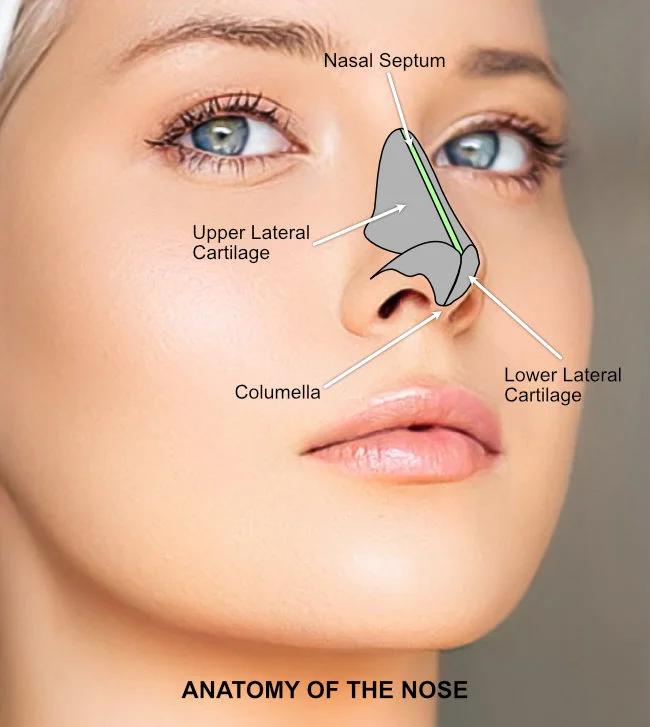
The nasal septum is the wall made of cartilage and bone that divides the nose into two passages.
Ideally, it sits near the center, allowing equal airflow through both nostrils. However, many people have a septum that is bent or displaced due to birth, natural development, or injury.
A significantly deviated septum may cause:
Persistent nasal blockage
Difficulty breathing
Mouth breathing
Snoring
Frequent sinus infections
Poor sleep quality
These symptoms often worsen when allergies or colds cause additional swelling inside the nose.
Does a Deviated Septum Reduce Oxygen Levels?
A common misconception is that a deviated septum always lowers the oxygen level in the blood.
In reality, most healthy individuals maintain normal blood oxygen levels because the lungs continue to absorb oxygen effectively.
However, a deviated septum can make breathing less efficient by restricting airflow through the nose. This may cause people to feel as though they are not getting enough air, especially during exercise or sleep.
How Septoplasty Improves Airflow
Septoplasty corrects the structural problem inside the nose by straightening the deviated septum.
During Septoplasty in Islamabad, the surgeon reshapes or repositions the cartilage and bone that are blocking the nasal passage.
The result is:
Wider nasal passages
Improved airflow
Easier breathing
Better nasal function
Although the procedure does not directly increase oxygen production, it allows air to move more naturally through the nose.
How Improved Airflow Supports Oxygen Intake
The body depends on steady airflow to deliver oxygen to the lungs.
When nasal obstruction is reduced, patients often experience:
More Comfortable Breathing
Air moves through the nose with less resistance, reducing the effort required to breathe.
Better Air Delivery to the Lungs
With improved nasal airflow, breathing feels smoother and more natural.
Less Mouth Breathing
Many people return to nasal breathing after surgery, allowing the nose to perform its natural filtering and humidifying functions.
Can Septoplasty Improve Exercise Performance?
Many patients notice they can breathe more comfortably during physical activity after surgery.
Improved nasal airflow may help with:
Walking
Running
Cycling
Gym workouts
Sports participation
While septoplasty does not increase athletic ability or lung capacity, easier breathing can make exercise feel less tiring.
Better Sleep Through Improved Breathing
Nasal obstruction often becomes more noticeable at night.
A blocked nose may contribute to:
Snoring
Mouth breathing
Interrupted sleep
Dry mouth
Feeling tired in the morning
By improving nasal airflow, Septoplasty in Islamabad may help patients sleep more comfortably, leading to better daytime energy and overall well-being.
Additional Benefits of Septoplasty
In addition to improving airflow, septoplasty may provide several other benefits.
Reduced Nasal Congestion
Correcting the septum creates more space inside the nose for airflow.
Improved Sinus Drainage
Better drainage may reduce the likelihood of recurring sinus infections caused by structural blockage.
Easier Daily Activities
Simple tasks such as climbing stairs, talking, or walking may become more comfortable when breathing improves.
Improved Quality of Life
Many patients report feeling more refreshed, active, and comfortable after successful treatment.
Recovery After Septoplasty
Recovery after septoplasty is generally gradual.
Patients commonly experience:
Mild swelling
Temporary congestion
Slight discomfort
Minor bleeding
These symptoms improve over the following days and weeks.
Most individuals return to office work or school within about one week, while complete internal healing continues for several months.
Following your surgeon's instructions helps ensure the best outcome.
Who May Benefit Most?
Septoplasty may be recommended for patients who have:
A confirmed deviated septum
Persistent nasal blockage
Difficulty breathing through the nose
Symptoms affecting daily life
Limited improvement with medication
An ENT specialist will determine whether surgery is appropriate based on a detailed evaluation.
Choosing the Right Clinic
Successful treatment begins with expert diagnosis and surgical care.
When selecting a clinic, consider:
Experienced ENT specialists
Modern diagnostic equipment
Personalized treatment plans
Advanced surgical techniques
Comprehensive follow-up care
Choosing an experienced medical team helps maximize long-term success.
Final Thoughts
Septoplasty in Islamabad can significantly improve nasal airflow by correcting a deviated septum, making breathing easier and more comfortable. While the procedure does not directly increase blood oxygen levels in healthy individuals, it supports more efficient airflow through the nose, allowing patients to breathe naturally during daily activities, exercise, and sleep.
If chronic nasal obstruction is affecting your comfort or quality of life, a consultation with an experienced ENT specialist can determine whether septoplasty is the right solution. With proper treatment and follow-up care, many patients enjoy long-lasting improvements in breathing and overall nasal function.
If you are considering Septoplasty in Islamabad, Enfield Royal Clinics offers expert ENT consultations, advanced surgical techniques, and personalized treatment plans to help patients achieve better breathing, improved comfort, and lasting results.



 About SPORTIVO Network

 Czech
Czech
 Arabic
 French
 Spanish
 Portuguese
 Deutsch
 Turkish
 Dutch
Dutch
 Italiano
 Russian
 Romaian
 Portuguese (Brazil)
 Greek
Greek