


 About SPORTIVO Network
Streetwear for Every Body Type How to Wear AMIRI, Mixed Emotion, and a Stussy Hoodie When You're Not a Sample Size
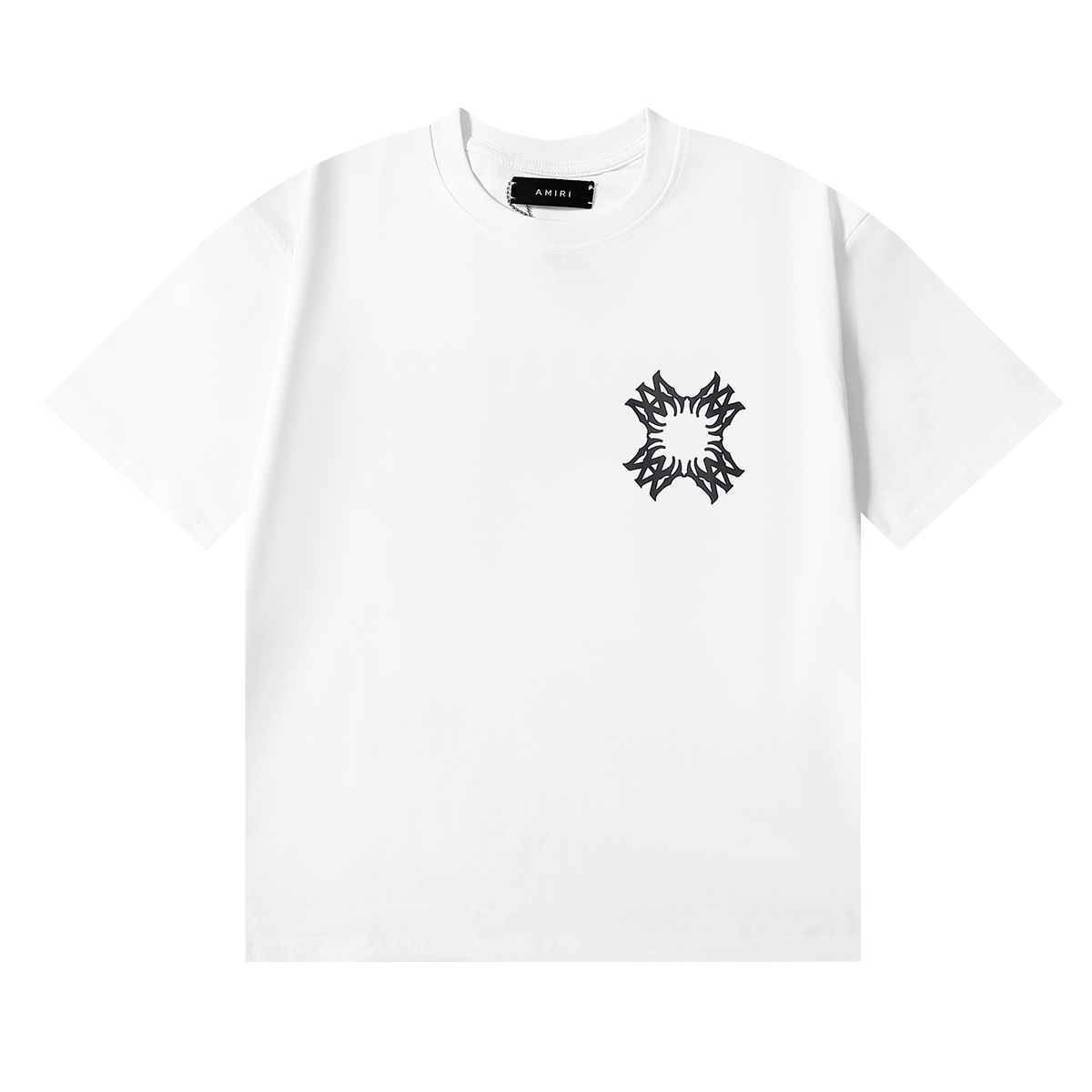
The Problem With How Streetwear Is Usually Shown
Almost every streetwear campaign, lookbook, and editorial you've ever seen was shot on bodies that represent a very narrow slice of the actual population. Tall, lean, with proportions that happen to make oversized pieces drape exactly the way the brand intended without any adjustment. That's not a coincidence it's a deliberate choice that makes the clothes look their easiest, because a piece hanging perfectly on a body with minimal mass and maximum height photographs simply and cleanly. But that visual standard creates a quiet, persistent problem for everyone who doesn't share those proportions: they see the clothes looking one way in the campaign and a completely different way on themselves, and they conclude that the piece doesn't work for them rather than concluding that the styling logic needs to shift. The stussy hoodie, AMIRI denim, and Mixed Emotion pieces all look genuinely excellent on a wide range of body types but the way they look excellent varies significantly depending on your specific proportions, and nobody in the brand's marketing materials is showing you that variation. This guide fills that gap. It covers specific styling adjustments, fit considerations, and proportion logic across the most common body type variables shorter frames, broader builds, longer torsos, fuller figures, and athletic proportions with concrete guidance for each of the three brands. The honest limitation upfront: no article can replace the experience of trying pieces on your own body. What this guide does is give you enough specific knowledge that you arrive at that fitting experience with clear criteria rather than vague hope, which dramatically improves your chance of leaving with something that actually works.
Why Streetwear Actually Has Advantages for Non-Sample Body Types
Before getting into specific advice, it's worth addressing something that a lot of people miss: streetwear's foundational design language relaxed fits, oversized silhouettes, flexible proportions is genuinely more forgiving of body variation than formal fashion's fitted, structured approach. A tailored suit is unforgiving of any deviation from its intended proportions; the structure fights the body rather than working with it. A well-chosen streetwear piece in the right size is designed to add volume and drape in ways that don't require the body underneath to be a specific shape. That's not a consolation prize it's a structural advantage that streetwear has always had over other clothing categories, and it's one reason the culture built itself around communities that conventional fashion had historically ignored. The key insight is that "oversized" in streetwear isn't the absence of fit consideration it's a deliberate fit choice that still requires specific sizing logic to work correctly. A piece that's oversized-by-design on a tall lean frame becomes simply too large on a shorter or broader frame if you pick the same absolute size. The proportional relationship between the garment's excess volume and the body carrying it has to be maintained, which means the sizing approach changes even if the intended silhouette stays the same. Getting that relationship right is the core skill of dressing well in streetwear at any body type. Once you understand it, the same three pieces a Stussy hoodie, AMIRI denim, a Mixed Emotion statement piece produce genuinely strong outfits regardless of whether your proportions match the campaign model's, because you're using different sizing and styling approaches to arrive at the same visual result rather than expecting the same approach to produce the same result on different bodies.
Styling the Stussy Hoodie Across Different Body Types Specific Adjustments
A Stussy hoodie is one of the most versatile pieces available in streetwear precisely because the brand produces it across a genuine size range and the design doesn't require a specific body shape to work. But the sizing and styling approach needs to shift depending on your proportions:
-
Shorter frames (under 5'7"): The standard body length on many Stussy hoodies runs long enough to hit at mid-hip or below on taller frames, which means on a shorter frame it can hit at thigh level disrupting the proportion between upper and lower body significantly. Look specifically at the body length measurement in the size chart rather than just the chest width. A piece with a body length of 27 inches or less creates a cleaner visual break with the bottom half. Alternatively, try the women's or unisex range where cropped versions are available.
-
Broader builds (wide shoulders or chest): Size for the broadest measurement first chest or shoulder width then evaluate whether the body length and sleeve length are working. A hoodie that fits correctly across the shoulders but runs slightly long in the body can be styled with a tuck or a half-tuck that breaks the visual line at the hip rather than the thigh.
-
Athletic builds (developed upper body relative to waist): A relaxed or oversized hoodie actually works exceptionally well here because it adds volume through the torso that creates a consistent silhouette from shoulder to hem rather than tapering with the waist. Avoid fitted hoodies that pull across the chest the relaxed cut is genuinely your friend.
-
Fuller figures: Size for comfort across the chest and torso, then check that the sleeve and body length are proportional. A hoodie that fits comfortably across the body but has sleeves that reach the mid-palm creates a disproportionate impression aim for sleeve length that hits at the wrist or slightly past it.
-
Long torsos: Prioritise hoodies with longer body lengths to avoid a gap between the hem and the waistband of your pants, which creates a visual break that shortens the appearance of the legs. The longer body lengths in the larger size range often work well here even if the chest measurement doesn't require that size just account for it in the shoulder seam.
-
Short torsos: The opposite priority look for hoodies with shorter body lengths or consider a half-tuck styling approach that visually lengthens the torso by keeping the bottom of the hoodie at the hip rather than below it.
AMIRI Denim for Different Builds Getting the Cut Right for Your Proportions
AMIRI produces denim across multiple distinct silhouettes, and the right cut for any individual body type depends on the proportional relationship between thigh width, hip width, waist, and leg length rather than on a single measurement. For broader hips and fuller thighs, the straight cut and relaxed cut are almost always the correct starting point they provide enough room through the seat and thigh to allow comfortable movement without the fabric pulling or creating horizontal tension lines across the upper leg. The slim cut, while visually appealing in photographs, creates visible pulling at the hip and thigh on broader builds that changes the aesthetic entirely from the intended silhouette. For narrower hips and slimmer thighs, the slim cut is genuinely the best option it was designed for this proportion and produces the clean, tapered silhouette the brand intends. Going up to a straight or relaxed cut on a slim build produces excess fabric at the thigh that bags rather than drapes, which reads as poorly fitted rather than relaxed-fit intentional. For shorter leg length relative to the overall trouser length, a tapered or slim cut in a cropped or hemmed length works better than a full-length straight cut that pools at the ankle AMIRI denim pools elegantly on a longer leg but looks unfinished on a shorter one. Getting denim hemmed is genuinely underrated and more affordable than most people expect; a local tailor can hem a pair of premium jeans for $15–$25 and the result is dramatically better than a length that was designed for a different frame. For longer leg length, the straight and relaxed cuts typically provide enough length without hemming, but check the inseam measurement against your own inseam before purchasing rather than assuming that a given size will work across all heights. The denim and pantalones range at amirishopmx.com covers multiple silhouettes with detailed size information that makes this evaluation possible before purchase.
Mixed Emotion Pieces Across Body Types Bold Dressing Without the Anxiety
Bold pieces and non-sample bodies make a lot of people anxious in combination, and that anxiety is almost entirely unwarranted. The idea that rhinestone work or graffiti graphics require a specific body type to land correctly is a myth propagated by campaign imagery rather than by any real logic about how design and proportion interact. Here's what actually determines whether a Mixed Emotion statement piece works on any given body:
-
Whether the shoulder seam sits correctly. This is the single most important fit variable in any upper body piece. A shoulder seam that sits at or near the natural shoulder point creates structure; one that drops significantly past it on a non-intentionally-oversized piece creates shapelessness. Size to the shoulder first on any statement piece.
-
Whether the rhinestone or graphic placement is proportional to the body. A large chest graphic centred on the front of a tee works across body types because it draws the eye to the centre of the torso the proportion of the graphic to the body shifts slightly but doesn't disrupt the visual logic.
-
Whether the silhouette balance works with your bottom half. A heavyweight rhinestone hoodie adds significant visual weight at the top half of the outfit, which suits a broader lower half by creating balance, and suits a slimmer lower half by creating the contrast-rule proportion that makes outfits read as intentional.
-
Whether you've sized for comfort first, then assessed the visual result. A piece that fits uncomfortably won't look good regardless of the design quality discomfort shows in how you carry yourself, and carrying yourself with tension undermines whatever the garment is trying to communicate.
-
Whether the length is working for your torso. Crop-length pieces in the range work best on shorter torsos; full-length hoodies and sweatshirts work better on longer torsos.
The full range of shirts, hoodies, and tracksuits at mixedemotionusshop.com covers enough silhouette variety that almost any body type can find a piece that sits correctly without requiring significant adjustment.
The Proportion Principle Applied to Non-Standard Frames
The proportion principle one half of the outfit carries more visual volume than the other applies across all body types, but the implementation changes depending on your specific proportions in ways that aren't immediately obvious from standard styling advice. For bodies with significant difference between upper and lower body width broader shoulders relative to hips, or broader hips relative to shoulders the proportion principle actually works more naturally than it does on bodies with consistent width top to bottom, because the body itself creates the contrast that the principle is trying to achieve. A body with broader shoulders naturally creates a wider-top, narrower-bottom silhouette even in fairly consistent-width clothing, which means styling toward that contrast requires less deliberate effort. For bodies that carry consistent width from shoulder to hip an athletic or fuller figure the proportion principle needs to be applied more deliberately through clothing choices: a tapered bottom with a wider top, or a wider bottom with a closer-fitting top, rather than allowing similar widths at both points to flatten the silhouette. For short frames specifically, the proportion principle needs to be applied vertically as well as horizontally: a very long top half relative to a short bottom half creates a visual imbalance that shortens the perceived leg length further. Keeping the top half from running too long through hemmed denim, the right trouser rise, and hoodies or tees that break cleanly at the hip maintains better vertical proportion even when the horizontal proportion game is solid. For very tall frames, the opposite applies: longer tops and higher-rise bottoms extend the visual line of both the torso and the leg, creating the kind of proportional consistency that streetwear's relaxed silhouettes are naturally inclined toward when the sizing is right. A well-chosen stussy hoodie in the right body length for your torso is one of the simplest tools available for managing vertical proportion across all of these frame types.
Footwear and How It Changes Everything for Non-Standard Proportions
The shoe is the element of a streetwear outfit that most influences how the overall silhouette reads from a distance and its importance multiplies significantly for body types where proportion management requires active effort rather than happening passively. The reason is simple: the shoe anchors the visual weight of the outfit at the floor, and where that weight lands determines whether the proportions above it read as intentional or accidental. For shorter frames, a shoe with a visible stack height a chunky sole, a platform element, or a high-top that adds visual weight at the ankle adds perceived height and helps the trouser break sit more cleanly rather than bunching at the ankle. A flat, minimal sneaker on a shorter frame with cropped or hemmed denim works too, but it requires the trouser length to be exactly right to avoid looking unfinished. For broader builds, a shoe with horizontal weight a chunky runner, a wide-toe leather sneaker, or a basketball-adjacent high-top creates visual balance with the broader upper body rather than tapering the outfit down to a point that makes the feet look too small for the rest of the silhouette. For slimmer builds, a slim-profile sneaker in a low-top or a clean leather finish creates a clean vertical line that the slimmer silhouette benefits from rather than undermining it. The specific hands-on observation here: the single most common footwear mistake across all body types in streetwear is wearing shoes that are too small-scale for the weight of the outfit above them. A heavyweight rhinestone hoodie, wide-leg denim, and a minimal thin-soled flat sneaker creates a visual top-heaviness that looks unstable. Scale the shoe to the visual weight of the outfit, not just to the aesthetic of the shoe in isolation, and the proportional relationship from head to floor resolves cleanly regardless of your specific body measurements.
Building Confidence in What You Wear The Mindset That Makes Outfits Work
Styling advice has a ceiling. You can have the right piece, the right size, the right proportional logic, and the right footwear and if you're carrying yourself with uncertainty, none of it lands the way it should. Confidence isn't a style tip that gets handed out at the end of a guide because there's nothing else to say; it's a genuinely functional element of how clothing works on a body. Premium streetwear specifically pieces with visual weight like rhinestone work, heavy denim with strong silhouettes, oversized hoodies that command space performs better when the person wearing it inhabits the space the garment is designed to take up rather than apologising for it with their posture and movement. That sounds abstract, but it has a very concrete expression: wear the piece fully rather than half-wearing it. A rhinestone hoodie worn with rounded shoulders and a closed posture reads differently than the same hoodie worn with an open, upright stance. The rhinestone work is the same; the construction quality is the same; the fit is the same. The only variable is how the body is carrying the garment. My personal view and I hold this strongly is that the most important thing any streetwear guide can tell you is that the cultural origins of this clothing were never about conforming to a mainstream beauty standard. Streetwear started as clothing for communities that mainstream fashion actively ignored, and the confidence it carries is the confidence of people who didn't need external validation to know that their aesthetic was valid. That's the confidence the clothes were built around. Wear them with it, regardless of your body type, your size, or whether the campaign model shares your proportions.
Final Words
Streetwear was never designed for one body type. The cultural communities that built it skaters, hip-hop artists, graffiti writers, musicians, club kids represented every body shape and proportion you can imagine, and the clothing that emerged from those communities was designed to work for real people doing real things rather than for campaigns shot in controlled conditions on selected frames. A stussy hoodie sized correctly for your specific torso length and shoulder width looks exactly as good as the same hoodie on anyone else the proportional logic just needs to match your body rather than someone else's. AMIRI denim in the right cut and length for your legs and hips delivers the same construction quality and visual impact regardless of whether your measurements match the editorial. Mixed Emotion's rhinestone and graffiti pieces hit with the same force on any body that wears them with the open, committed energy the design is asking for. Get the sizing right, apply the proportion logic correctly, and wear what you own with intention. That's the whole instruction set.
FAQs
Q: Do oversized Stussy hoodies work on shorter people or do they just look swamped?
A: They work, but sizing logic matters. Rather than going up a size from your true size, start at your true size and evaluate whether the body length and shoulder placement create the intended relaxed silhouette without crossing into shapeless. The oversized look on a shorter frame often comes from choosing the right proportions within your true size rather than automatically sizing up.
Q: Is AMIRI denim worth buying if you're between standard sizes in the waist?
A: Yes, but plan to get the waistband adjusted by a tailor if needed. A tailor can take in a waistband by up to two inches without affecting the overall drape of the leg, and that small adjustment makes the difference between a pair that fits correctly and one that requires a belt to stay up which changes the visual line significantly.
Q: Can broader-shouldered people wear rhinestone hoodies without looking overdressed?
A: Absolutely. The rhinestone work adds visual interest rather than visual width it draws the eye to the surface detail rather than to the silhouette, which actually works in favour of broader shoulders by directing attention away from the width and toward the craft. Keep the bottom half clean and the shoe scaled to match.
Q: What's the best Mixed Emotion piece for someone who's never worn bold streetwear before?
A: Start with a rhinestone tee rather than a full hoodie. It introduces the bold detail work at a lower visual volume level, integrates more easily with existing wardrobe pieces, and builds the confidence to wear bolder pieces over time without requiring a complete wardrobe shift in one purchase.
Q: Does body type affect how AMIRI denim ages and develops character over time?
A: Yes and this is one of the things that makes premium denim genuinely personal. The fade and wear patterns that develop in AMIRI denim reflect your specific movement and body shape: where you bend most often, where the fabric contacts the shoe, where the thigh naturally creases. Two people in identical pairs of AMIRI jeans will end up with visually distinct pairs after a year of wear. That personalisation is part of what makes the investment worthwhile.

 Czech
Czech
 Arabic
 French
 Spanish
 Portuguese
 Deutsch
 Turkish
 Dutch
Dutch
 Italiano
 Russian
 Romaian
 Portuguese (Brazil)
 Greek
Greek