


 About SPORTIVO Network
How to Choose the Right Bike Insurance for Better Protection
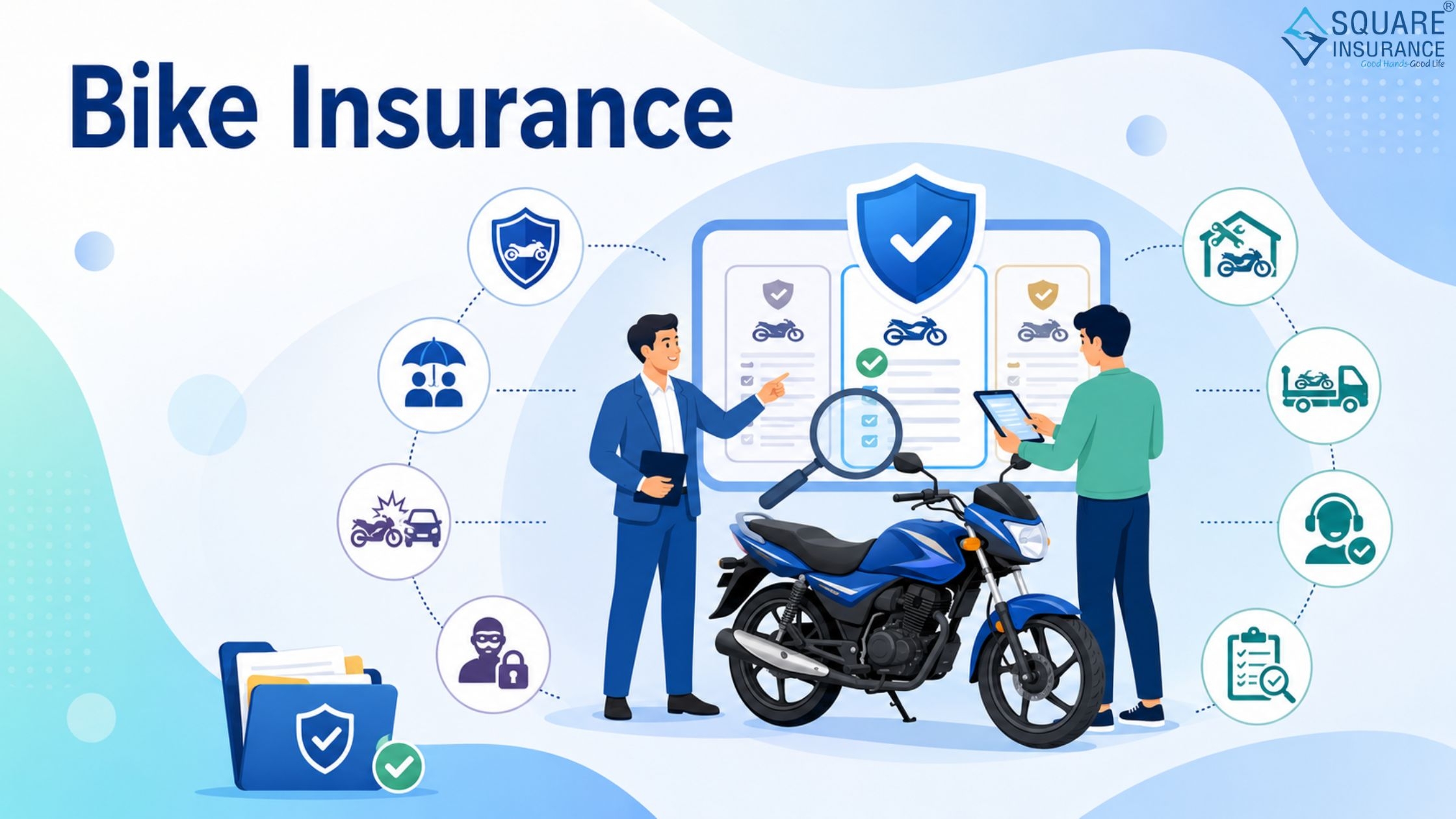
Buying a two-wheeler is a significant investment, whether you use your bike for daily commuting, family needs, or occasional travel. Protecting that investment requires more than following traffic rules and maintaining the vehicle properly. Choosing the right bike insurance can help you manage financial risks arising from accidents, theft, natural calamities, and third-party liabilities. With several policy options available, understanding coverage, exclusions, add-ons, and claim-related factors can make the decision easier.
The right insurance policy should match your bike's value, your riding habits, location, and personal requirements. A policy that works well for one rider may not provide sufficient protection for another. Therefore, instead of selecting a plan solely based on the lowest premium, it is important to evaluate the overall coverage and benefits offered by the policy.
Understand the Different Types of Bike Insurance
The first step is to understand the major types of two-wheeler insurance policies available in India.
Third-Party Bike Insurance:
This is the basic insurance cover required by law for riding a bike on Indian roads. It covers the financial liability arising from injury, death, or property damage caused to a third party due to an accident involving the insured vehicle. However, it generally does not cover damage to your own bike.
Comprehensive Bike Insurance:
A comprehensive policy provides wider protection by combining third-party liability coverage with protection against damage to your own vehicle. Depending on the policy terms, it may cover losses caused by accidents, theft, fire, natural disasters, and man-made events.
Standalone Own-Damage Insurance:
This type of policy is designed to cover damage to your own bike from insured risks. It can be useful in situations where you already have valid third-party insurance but want additional protection for your vehicle.
Understanding these options helps you select coverage according to your actual needs instead of paying for protection that may not be relevant to you.
Consider the Age and Value of Your Bike
The age and current market value of your bike are important factors when choosing insurance. A new or expensive motorcycle may require broader coverage because repairing or replacing its parts can be costly.
For a new bike, comprehensive insurance with suitable add-ons may provide more meaningful protection. For an older bike with a lower market value, you may want to compare the premium against the potential claim amount before choosing extensive coverage.
The Insured Declared Value (IDV) is another important factor. It represents the approximate current market value of the bike and plays a role in determining the maximum amount payable in cases such as total loss or theft, subject to policy terms and conditions. A higher IDV may result in a higher premium, while selecting a very low IDV could reduce the potential claim amount.
Evaluate Your Riding Habits
Your daily usage should influence your insurance decision. Someone who rides a bike every day through busy city traffic may face different risks compared with someone who uses a two-wheeler occasionally.
Consider factors such as:
- How frequently you ride your bike
- Whether you commute long distances
- Whether you regularly travel on highways
- The traffic conditions in your area
- Where you park your bike
- Whether your bike is exposed to weather-related risks
- Whether you frequently travel to areas prone to floods or other natural disasters
If you use your bike extensively, comprehensive coverage may be worth considering because frequent usage can increase exposure to various risks.
Compare Coverage Instead of Only Premiums
A low premium may appear attractive, but it should not be the only deciding factor. Two policies with similar prices can have significant differences in coverage, deductibles, exclusions, and claim conditions.
Before purchasing a policy, compare:
- Coverage offered
- Policy exclusions
- Deductibles
- IDV
- Add-on availability
- Claim process
- Cashless repair facility, where applicable
- Network garages
- Insurer's service support
- Policy renewal terms
A policy should offer a reasonable balance between affordability and protection. Paying slightly more for useful coverage can sometimes be more beneficial than choosing a cheaper policy with significant limitations.
Select Add-Ons According to Your Needs
Add-ons can extend the protection provided by a standard policy, but they generally increase the premium. Therefore, it is better to select only those that are relevant to your situation.
Some commonly available bike insurance add-ons may include:
Zero Depreciation Cover:
This can reduce the impact of depreciation deductions on eligible parts during a claim, subject to policy conditions and applicable limits.
Roadside Assistance:
This may provide support in situations such as breakdowns, flat tyres, or other emergencies, depending on the services included in the policy.
Engine Protection Cover:
This can provide additional protection for certain engine-related damages that may not be covered under a standard policy, subject to terms and exclusions.
Return to Invoice Cover:
For eligible vehicles, this add-on may help bridge the difference between the insured value and the original invoice value in specific total-loss or theft situations.
Consumables Cover:
This may cover certain consumable items used during eligible repairs, depending on the policy terms.
The best approach is not to buy every available add-on but to identify the risks you are most likely to face.
Check the Policy Exclusions Carefully
Insurance coverage is not unlimited. Every policy has exclusions that define situations where the insurer may not be responsible for paying a claim.
Common exclusions may involve riding without a valid licence, using the vehicle for an unauthorised purpose, driving under the influence of alcohol or drugs, or making fraudulent claims. Normal wear and tear and mechanical breakdowns may also fall outside standard coverage unless specifically covered.
Reading exclusions before purchasing the policy can prevent misunderstandings at the time of a claim. Always review the policy wording and understand the conditions attached to the coverage you are buying.
Look at the Claim Settlement Process
A policy becomes particularly valuable when you need financial assistance after an accident or loss. Therefore, the claim process should be an important part of your decision.
Check whether the insurer provides convenient claim registration, clear documentation requirements, and an accessible support process. If the policy offers cashless repair services, understand how the network garage system works and whether suitable garages are available in your area.
You should also understand your responsibilities after an accident. Depending on the situation, you may need to inform the insurer promptly, submit relevant documents, provide details of the incident, and cooperate with the assessment process.
A smooth claim experience depends on both the insurer's service and the policyholder's compliance with the applicable terms.
Consider the No Claim Bonus
If you do not make a claim during the policy period, you may become eligible for a No Claim Bonus (NCB), subject to applicable rules and policy conditions. This can help reduce the own-damage portion of the premium during subsequent renewals.
However, it is important to understand how making a claim may affect your accumulated NCB and whether an available add-on, such as NCB protection where offered, is suitable for your needs.
Maintaining a good claims record can be beneficial, but you should never avoid reporting a legitimate major loss simply to preserve a discount.
Check the Insurer's Service Quality
The quality of an insurance provider's service can significantly influence your experience. Before purchasing a policy, consider the insurer's reputation, customer support, accessibility, digital services, and claim-handling process.
You can also review the policy documentation carefully and ask questions about any coverage terms you do not understand. A reliable insurance decision should be based on verified policy details rather than advertisements or assumptions.
Keep Your Policy and Documents Updated
Choosing the right policy is only the beginning. You should also keep your insurance details updated throughout the ownership period.
Make sure your registration details, contact information, and other relevant records are accurate. Renew the policy before it expires to avoid unnecessary gaps in coverage. If you purchase a new bike, sell your existing vehicle, or make significant changes to your circumstances, review your insurance requirements accordingly.
Keeping important documents accessible can also make the process easier if you need to file a claim.
Frequently Asked Question (FAQs)
Q1. What should I consider when choosing bike insurance?
Consider the type of coverage, IDV, premium, exclusions, deductibles, add-ons, claim process, and service quality before selecting a policy.
Q2. Is comprehensive bike insurance better than third-party insurance?
Comprehensive insurance generally provides broader protection because it can cover third-party liabilities as well as damage to your own bike, subject to policy terms. Third-party insurance mainly covers legal liabilities towards third parties.
Q3. Should I buy add-ons with my bike insurance policy?
Add-ons can be useful when they address risks relevant to your bike and riding habits. Select them carefully because they can increase the overall premium.
Q4. Why is IDV important in bike insurance?
IDV represents the approximate insured value of the bike and is relevant to certain total-loss or theft claims, subject to the policy's terms and conditions.
Q5. Can I change my bike insurance policy during renewal?
Yes, you can review your coverage and choose a different insurer or modify suitable coverage options when renewing, subject to applicable rules and policy conditions.
Conclusion
Choosing the right bike insurance requires a careful assessment of your vehicle, riding habits, financial requirements, and potential risks. Instead of focusing only on the premium, evaluate the coverage, exclusions, IDV, add-ons, claim process, and insurer's service quality. A well-selected policy can provide valuable financial support when unexpected events affect your bike or create third-party liabilities.
With the right coverage and timely renewal, you can ride with greater confidence while protecting yourself from significant financial uncertainties. Square Insurance can also help you explore insurance-related solutions and make policy management more convenient according to your requirements.

 Czech
Czech
 English
 Arabic
 French
 Spanish
 Portuguese
 Deutsch
 Turkish
 Dutch
Dutch
 Italiano
 Romaian
 Portuguese (Brazil)
 Greek
Greek