


 About SPORTIVO Network
How Speech Therapy Can Help Young Athletes Build Confidence On and Off the Field
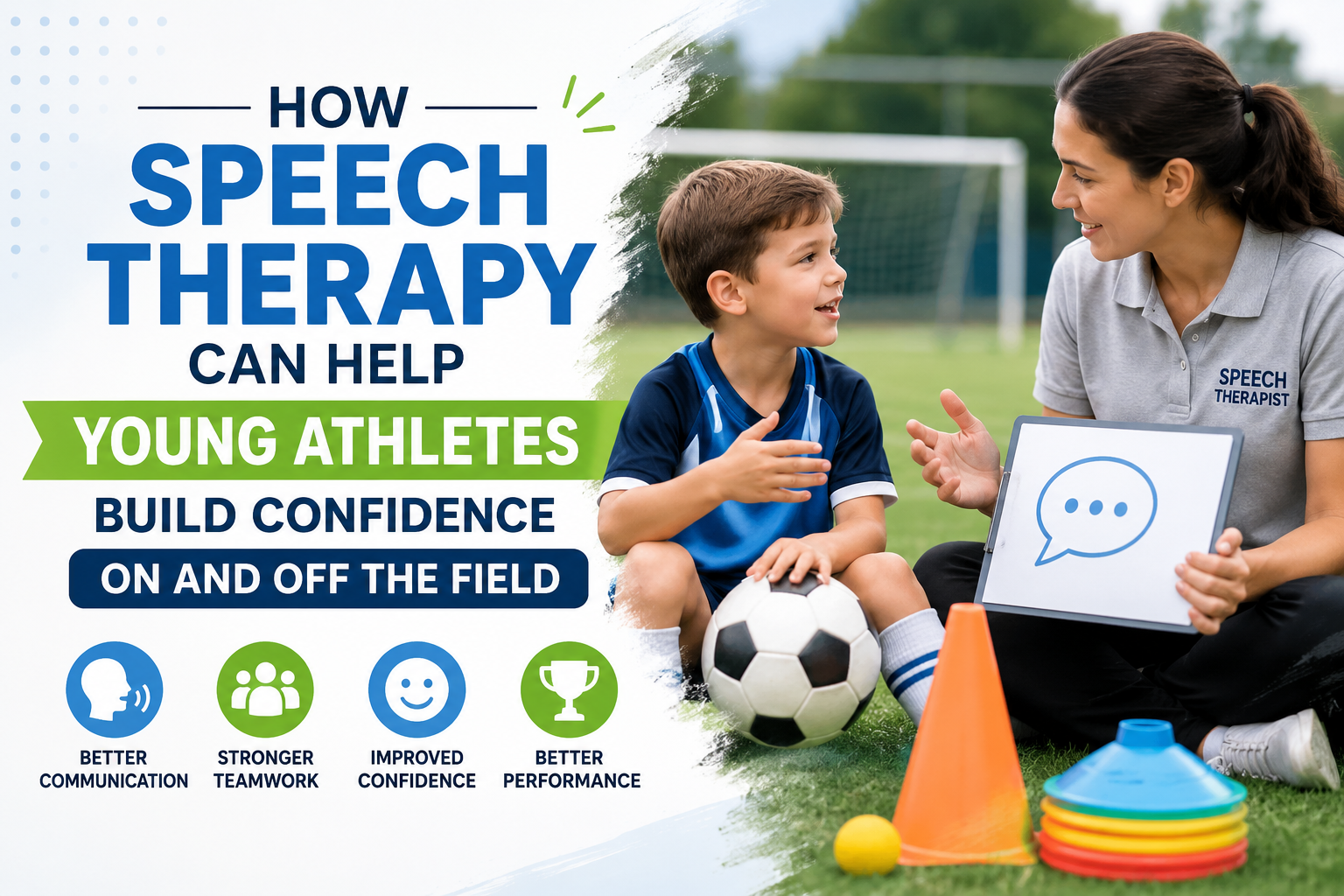
Sports teach children teamwork, discipline, and confidence. While physical skills are important, communication also plays a major role in every sport. Whether it's calling for the ball, following a coach's instructions, or encouraging teammates, strong communication skills help children perform better and enjoy sports more.
For children with speech or language difficulties, these everyday interactions can be challenging. This is where speech therapy can make a positive difference.
Why Communication Matters in Sports
Every team sport depends on communication. Players need to understand instructions, respond quickly, and interact confidently with coaches and teammates.
Children who struggle with speech or language may:
- Feel shy during team activities.
- Avoid talking to teammates.
- Have difficulty understanding coaching instructions.
- Lose confidence during games and practice sessions.
Developing communication skills can help children participate more comfortably in sports and other group activities.
How Speech Therapy Supports Young Athletes
Speech therapy is designed to improve speech, language, listening, and social communication skills. While it is often associated with speech delays, it also helps children build confidence when interacting with others.
Speech therapy can help children:
- Speak more clearly.
- Improve listening and understanding.
- Follow instructions more easily.
- Express ideas with confidence.
- Build stronger social communication skills.
These improvements can benefit children both inside and outside the sports environment.
Sports and Speech Therapy Work Well Together
Physical activity and speech therapy often complement each other. Games, obstacle courses, ball activities, and movement-based exercises are commonly used during therapy sessions to encourage communication in a fun and engaging way.
Many therapists include sports-related activities to help children:
- Practice taking turns.
- Follow multi-step directions.
- Use descriptive language.
- Improve attention and listening.
- Develop teamwork skills.
Children often learn best when they are active and having fun.
Benefits Beyond the Playing Field
The confidence gained through speech therapy doesn't stop after practice ends.
Children who improve their communication skills often become more comfortable:
- Speaking in the classroom.
- Making new friends.
- Participating in group activities.
- Asking questions.
- Sharing ideas with others.
These are valuable life skills that support both academic success and personal growth.
Supporting Your Child
Parents and coaches can encourage communication by:
- Giving clear and simple instructions.
- Praising communication efforts.
- Encouraging teamwork.
- Creating opportunities for conversation during games and practice.
- Being patient while children express themselves.
Positive encouragement helps children gain confidence over time.
Conclusion
Sports and communication go hand in hand. Children who can listen, understand, and express themselves clearly often enjoy greater confidence both on and off the field. For children facing communication challenges, speech therapy provides practical skills that support teamwork, learning, friendships, and personal development.
By combining regular physical activity with strong communication support, children can build confidence that lasts far beyond the final whistle.


 Czech
Czech
 Arabic
 French
 Spanish
 Portuguese
 Deutsch
 Turkish
 Dutch
Dutch
 Italiano
 Russian
 Romaian
 Portuguese (Brazil)
 Greek
Greek