


 About SPORTIVO Network
How Can A Certified Medical Examiner Make Or Break Your Dot Certification?
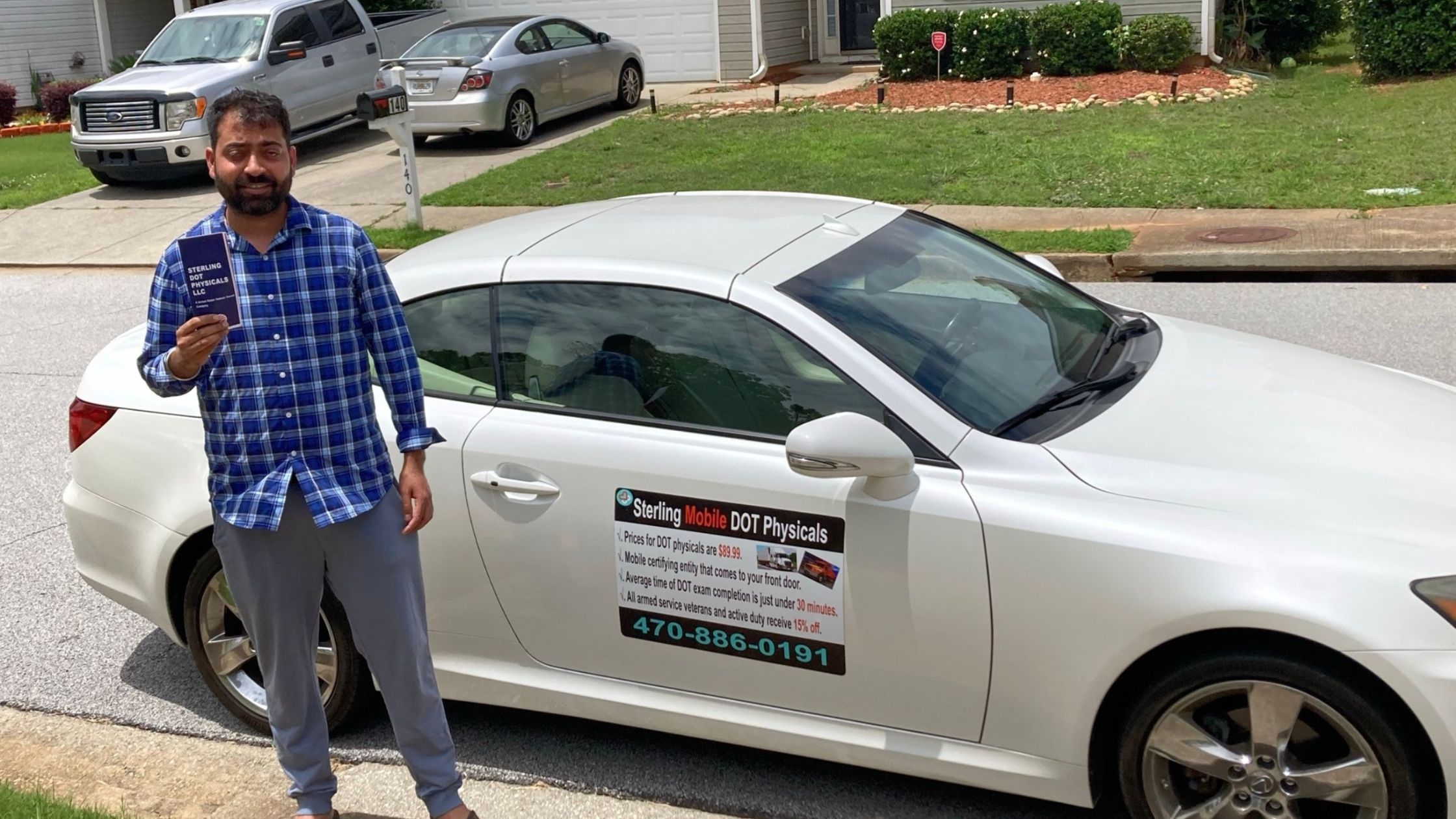
Your DOT certification is not just another requirement. It directly impacts whether you can stay on the road, accept loads, and maintain a steady income. The role of a certified medical examiner for DOT goes far beyond a routine check. The way your exam is evaluated can determine whether your certification moves forward smoothly or turns into a delay that affects your schedule.
What Actually Happens During a DOT Medical Exam
A DOT exam follows a structured federal process, but it is not purely mechanical. You complete the Medical Examination Report (MCSA-5875), and the examiner documents findings in the Medical Examiner’s Certificate (MCSA-5876).
What many drivers do not realize is that the form is only one part of the evaluation. The examiner is also:
-
Cross-checking your answers with your verbal responses
-
Reviewing medication usage and treatment history
-
Looking for gaps, inconsistencies, or missing details
This is where the process becomes more than just paperwork. Accuracy and clarity in your information directly affect how smoothly your certification moves forward.
Examiner Judgment: Where Outcomes Are Decided
Even within federal guidelines, there is room for professional judgment. Two drivers with similar conditions may not always receive identical outcomes, and the difference often comes down to how clearly their health status is supported.
For example, if your condition is well-documented, stable, and easy to verify, the process is typically straightforward. But if details are unclear or incomplete, the examiner may need additional confirmation before moving forward.
An experienced, certified medical examiner DOT GA understands how to interpret these situations efficiently. Instead of defaulting to delays, they know what documentation matters and how to evaluate it properly within compliance standards.
Where Drivers Lose Time (Common Mistakes)
Most certification delays are not caused by serious medical problems. They come from avoidable mistakes during the process.
Here are some of the most common ones:
-
Incomplete medical history
Leaving out past procedures, conditions, or treatments—even unintentionally—can create inconsistencies that need clarification. -
Outdated or missing documentation
Bringing old reports or no supporting documents for ongoing conditions forces the examiner to pause the process. -
Medication confusion
Not knowing exact prescriptions, dosages, or reasons for use raises red flags during review. -
Mismatch between form and conversation
If what you write does not match what you say during the exam, it slows everything down.
These issues may seem small, but in a regulated process, they matter. Each one can turn a same-day certification into a pending case.
How Examiners Evaluate “Incomplete” Cases
When something in your medical profile is unclear, the examiner cannot rely on assumptions. Instead, they must confirm that your condition meets federal safety standards before issuing a certificate. This often means taking extra steps such as requesting additional medical records, obtaining clearance from your healthcare provider, or reviewing how stable your condition has been over time.
While this process can feel like a delay from a driver’s perspective, it serves an important purpose. The examiner is ensuring that every certification decision is backed by clear, verified information and aligns with safety and compliance requirements.
What Smart Drivers Do Differently
Drivers who move through the process without issues usually approach the exam with preparation and clarity. They bring current and complete medical records, understand their medications and treatment details, and make sure the information they provide is consistent throughout the process. They also take time to address any known conditions before the exam, which reduces uncertainty during evaluation. This level of preparation allows the examiner to complete the certification without unnecessary delays or follow-ups.
Final Remarks
A DOT medical exam is not just about meeting basic requirements. It is a structured evaluation where accuracy, documentation, and examiner judgment all play a role. The difference between a smooth certification and a delayed one often comes down to preparation and clarity.
Choosing a qualified, certified medical examiner for DOT and showing up fully prepared puts you in control of the process. When everything is aligned, you avoid unnecessary setbacks and keep your work moving without interruption.
Visit Us at Sterling DOT Physical.

 Czech
Czech
 Arabic
 French
 Spanish
 Portuguese
 Deutsch
 Turkish
 Dutch
Dutch
 Italiano
 Russian
 Romaian
 Portuguese (Brazil)
 Greek
Greek