


 About SPORTIVO Network
Seiko: The Company Behind One of the World's Most Trusted Names in Timekeeping
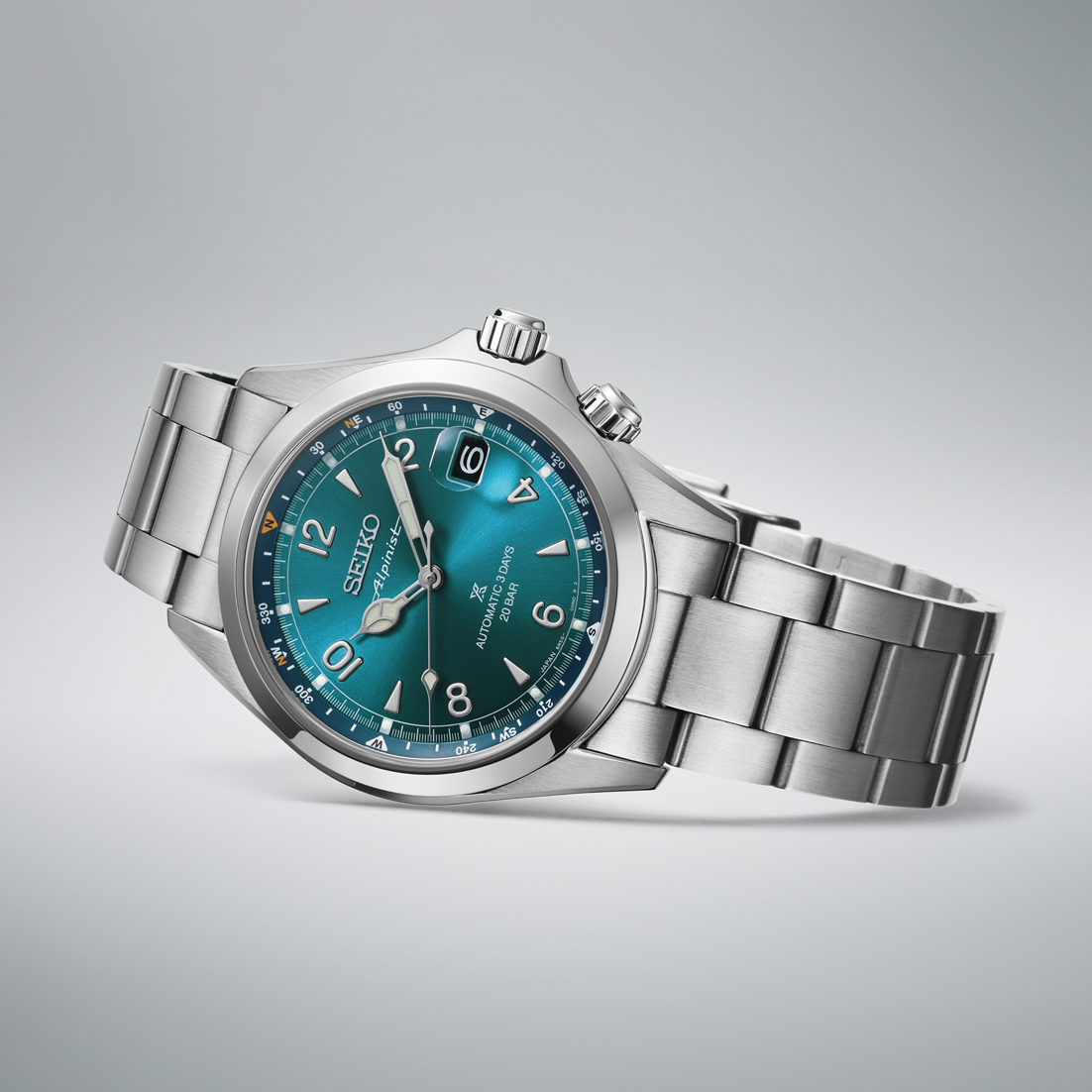
More Than a Watchmaker
Mention the name Seiko, and most people immediately think of wristwatches. While that association is well earned, it only tells part of the story. Seiko is, in fact, a sprawling corporation with roots extending far beyond the watch industry, encompassing everything from precision clocks and electronic components to optical devices and even sports timing systems used at some of the world's most prestigious athletic events. Understanding Seiko as a company, rather than simply a product line, reveals just how deeply this Japanese brand has shaped modern life in ways many consumers never realize.
From a Single Shop to a Global Enterprise
Seiko's origins trace back to 1881, when a young entrepreneur named Kintaro Hattori opened a small shop in Tokyo specializing in watch and clock repair. Within just over a decade, Hattori had expanded into manufacturing, establishing what would eventually become Seikosha, a company producing clocks for the Japanese market. This early period was defined by rapid learning and iteration, as Hattori and his team worked to master manufacturing techniques that had, until then, been dominated almost entirely by European and American companies.
By 1924, the company had introduced its first Seiko-branded wristwatch, marking a pivotal shift from clock production toward personal timekeeping devices. This transition would eventually define the trajectory of the entire company, though it's worth noting that Seiko never fully abandoned its roots in clock manufacturing, an area where it continues to hold significant expertise today.
A Company Built on Reinvestment and Innovation
One of the defining characteristics of Seiko's corporate philosophy has been a consistent willingness to reinvest heavily in research and development, even during periods when doing so carried significant financial risk. This approach led to some of the most consequential innovations in the history of timekeeping, most notably the 1969 release of the Astron, the world's first quartz wristwatch.
The introduction of quartz technology didn't just represent a new product, it fundamentally altered the global watch industry's competitive landscape. Quartz movements offered dramatically improved accuracy at a fraction of the manufacturing cost associated with traditional mechanical movements, a development that eventually triggered widespread disruption throughout the Swiss watch industry, an event now commonly referred to as the "quartz crisis."
Rather than resting on this achievement, Seiko continued pushing technological boundaries in subsequent decades, developing innovations such as Spring Drive technology, GPS solar-powered watches under the Astron name, and some of the earliest examples of computer-integrated wristwatches.
Seiko's Reach Beyond Watches
While watches remain Seiko's most visible product category, the broader Seiko corporate group includes several distinct entities operating in entirely different industries. Seiko Epson, for example, has grown into a major global player in printing technology, projectors, and precision electronic components, leveraging engineering expertise originally developed for watchmaking into entirely new technological domains.
Seiko Instruments, another related entity, has historically produced items ranging from precision measuring equipment to semiconductor components, further demonstrating how the company's foundational expertise in miniaturized, precise engineering translated into diverse industrial applications well beyond timekeeping.
Additionally, Seiko has played a significant role in sports timing technology, serving as the official timekeeper for numerous international athletic events, including several editions of the Olympic Games. This involvement showcases the practical, real-world application of Seiko's precision engineering capabilities on a global stage, often unnoticed by casual observers who simply see accurate race times displayed without considering the sophisticated technology working behind the scenes.
A Brand Defined by Accessibility and Ambition
Despite its extensive corporate reach and technological achievements, Seiko has maintained a distinctive commitment to accessibility throughout much of its history. Unlike many luxury watch companies that intentionally restrict availability to maintain exclusivity, Seiko has generally embraced a philosophy of making quality timekeeping available across a wide range of price points. https://seiko-watchs.co.uk/
This accessibility doesn't mean the company has avoided pursuing excellence at the highest levels. Grand Seiko, originally developed as Seiko's premium mechanical watch line before becoming an independently operating brand in 2017, demonstrates the company's ambition to compete directly with the finest Swiss watchmakers in terms of craftsmanship and precision. This dual identity, offering both highly accessible everyday watches and painstakingly crafted luxury timepieces, has allowed Seiko to maintain relevance across dramatically different consumer segments simultaneously.
Cultural Identity and Global Perception
Seiko's identity is deeply intertwined with broader perceptions of Japanese manufacturing excellence. The brand has come to represent a specific set of values often associated with Japanese engineering more broadly: meticulous attention to detail, continuous incremental improvement, and a willingness to blend traditional craftsmanship with technological innovation. This reputation has helped Seiko maintain strong brand loyalty across generations, particularly among consumers who value substance and reliability over flashy marketing.
Interestingly, this reputation for quality often extends beyond Seiko's own product lines, subtly reinforcing broader positive perceptions of Japanese consumer electronics and manufacturing as a whole. In many ways, Seiko has served as a kind of quiet ambassador for Japanese engineering excellence on the global stage.
A Legacy Still Being Written
More than 140 years after its humble beginnings as a small watch repair shop in Tokyo, Seiko remains a company defined by relentless innovation, technical ambition, and a genuine commitment to making precision engineering accessible to as many people as possible. From revolutionizing the watch industry with quartz technology to expanding into printing, electronics, and sports timing, Seiko's influence extends far beyond what most consumers initially realize.
Understanding Seiko as a company, rather than simply a watch brand, offers a more complete picture of just how significant its contributions to modern technology and precision engineering have truly been, a legacy that continues to evolve well into the twenty-first century.

 Czech
Czech
 Arabic
 French
 Spanish
 Portuguese
 Deutsch
 Turkish
 Dutch
Dutch
 Italiano
 Russian
 Romaian
 Portuguese (Brazil)
 Greek
Greek